
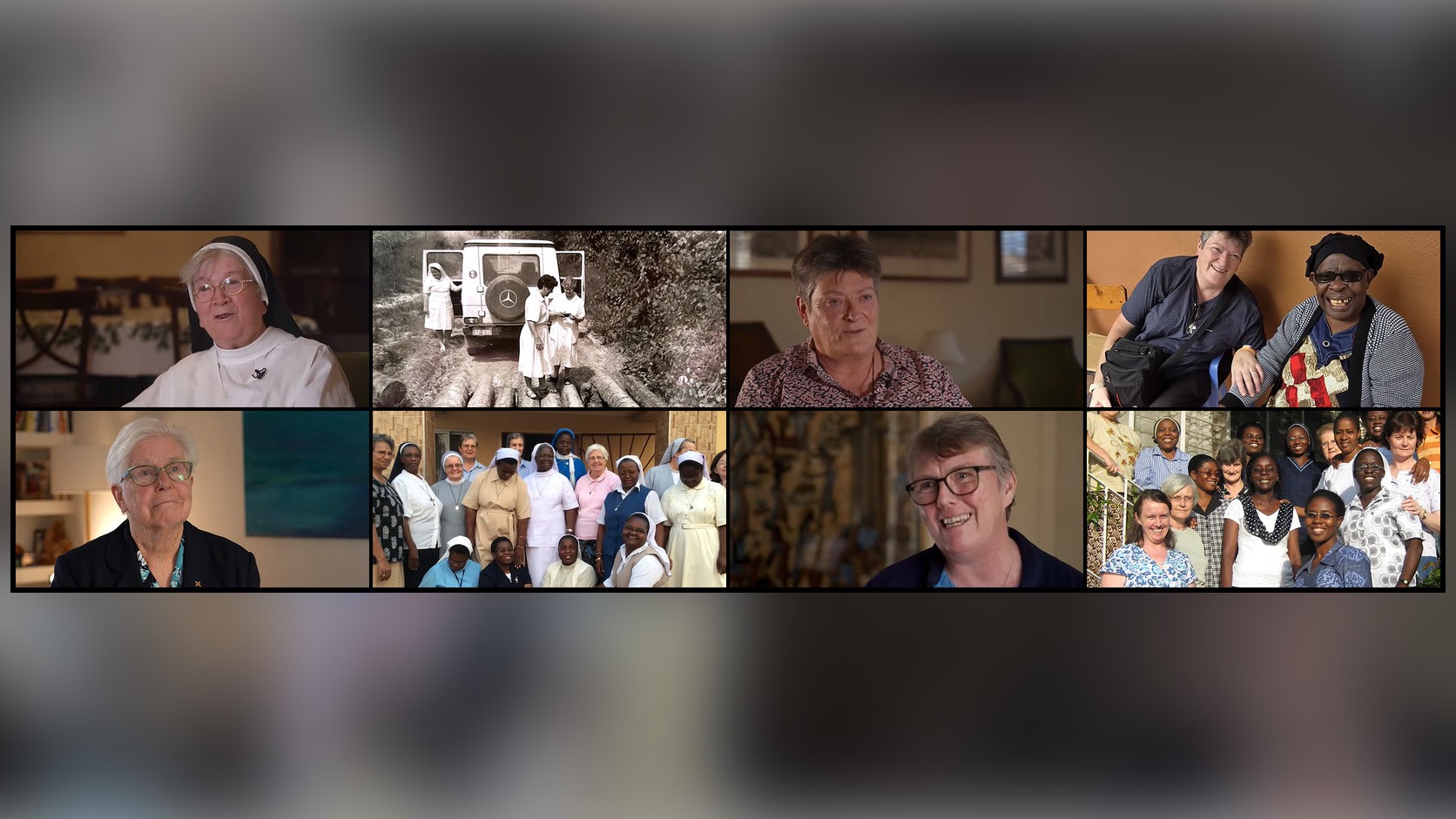
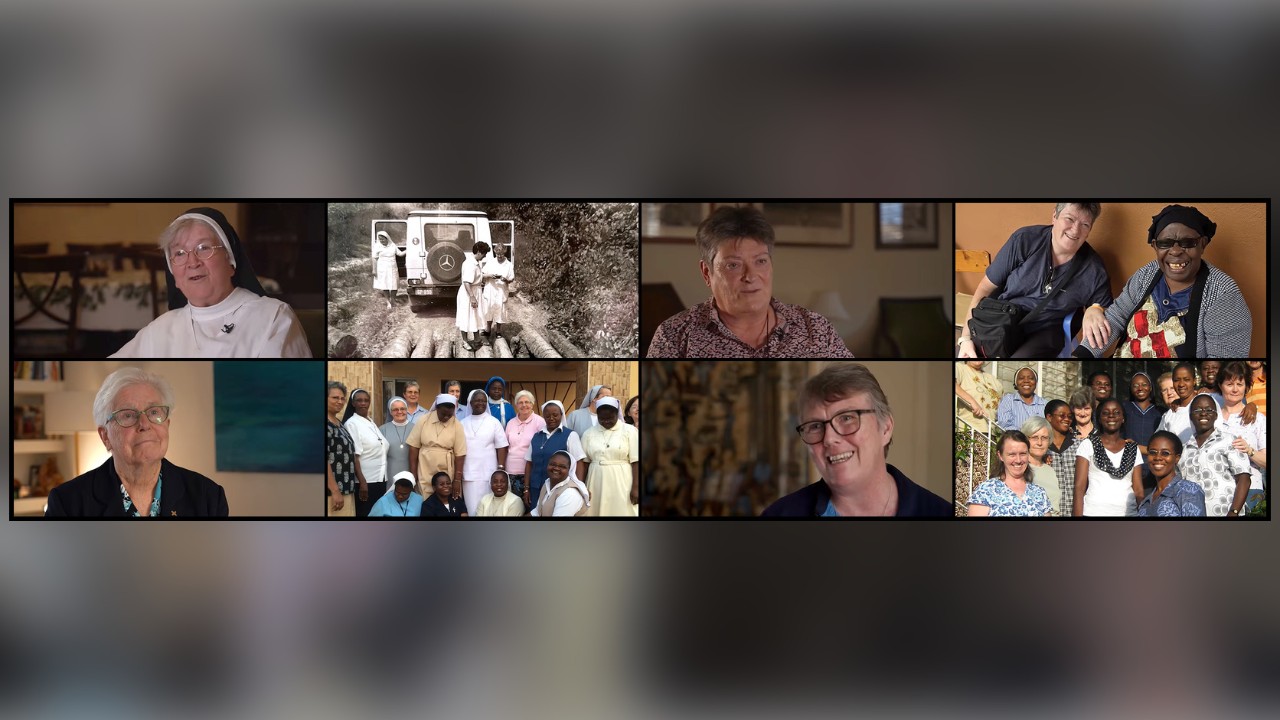
Lives of Mission, Lives of Hope, a short film made by Colm Flynn and commissioned by the Embassy of Ireland to the Holy See, brings together the experiences of four Irish religious sisters, representing different charisms. From Ireland to Liberia, from South Sudan to Nigeria and Tanzania, and on to Peru, the United Kingdom and Italy. Stories in which mission takes on the face of encounter, listening, service and all that is received from people and communities.
Schools, healthcare facilities and rehabilitation centres continue to operate in some of the most challenging areas of the world thanks to the work of Irish consecrated women. Many of these stories have never been told.
Lives of Mission, Lives of Hope tells four of these stories. They are the voices of Sr Collette Keane, a Dominican (O.P.); Sr Julie Buckley, of the Sisters of Mary Reparatrix (SMR); Sr Patricia Murray, of the Congregatio Jesu (CJ); Sr Mary Barron, of the Sisters of Our Lady of Apostles (OLA). They now live in Rome; in the film, they look back on the years they spent in Ireland, Liberia, South Sudan, Nigeria, Tanzania, Peru, the United Kingdom and Italy.
In Liberia, everything begins with a school that does not yet exist. “This is where you will have a school.” There is no building in front of her. “Where is the school?” The answer is simple: “Here, here. The children.” Those one hundred children mark the beginning of an educational experience that grows to include primary, secondary and nursery schools.
In Peru, on the outskirts of Lima, the work focuses on mothers and their children. Women are accompanied so that they can recognise their own abilities and support their children; after-school activities are organised for children who have been left outside the school system.
With young people in difficult circumstances, accompanying them means “trying to offer them some vision of the future”, knowing that “they were not starting from zero: they were starting from below zero”. Faced with illness, loss and the pain of families, the film also recalls the limits of words: “Words can often get in the way.” What remain are listening, presence, and a prayer or blessing when these are requested.
In South Sudan, among communities marked by war, a question emerges that challenges us: “Why do we choose cruelty when we could choose what is good?” The answer returns to the person: “The change we need has to begin in the human heart.”
In Nigeria, service also takes the form of accompanying children with communication difficulties. In Tanzania, it passes through villages and encounters women living in very difficult circumstances. “I travelled from village to village mainly to build relationships.” Coming together, sharing their stories and recognising the value of each person gives rise to “a beautiful solidarity”.
The Gospel, the question of where God is calling, the people encountered: in the four accounts, what is offered and what is received are intertwined.
Leaving Ireland and crossing countries and cultures also means coming to know “the different faces of the Church”, learning to respect their differences and allowing oneself to be changed. The question “Where is God calling us?” continues today in projects with migrants and in multicultural parishes in Europe, where service accompanies processes of integration and seeks to contribute to building a fraternal society.
With the launch of Lives of Mission, Lives of Hope, the Embassy of Ireland to the Holy See invites people to listen to these voices and, through them, to the people, questions and encounters that have shaped a life lived as mission.