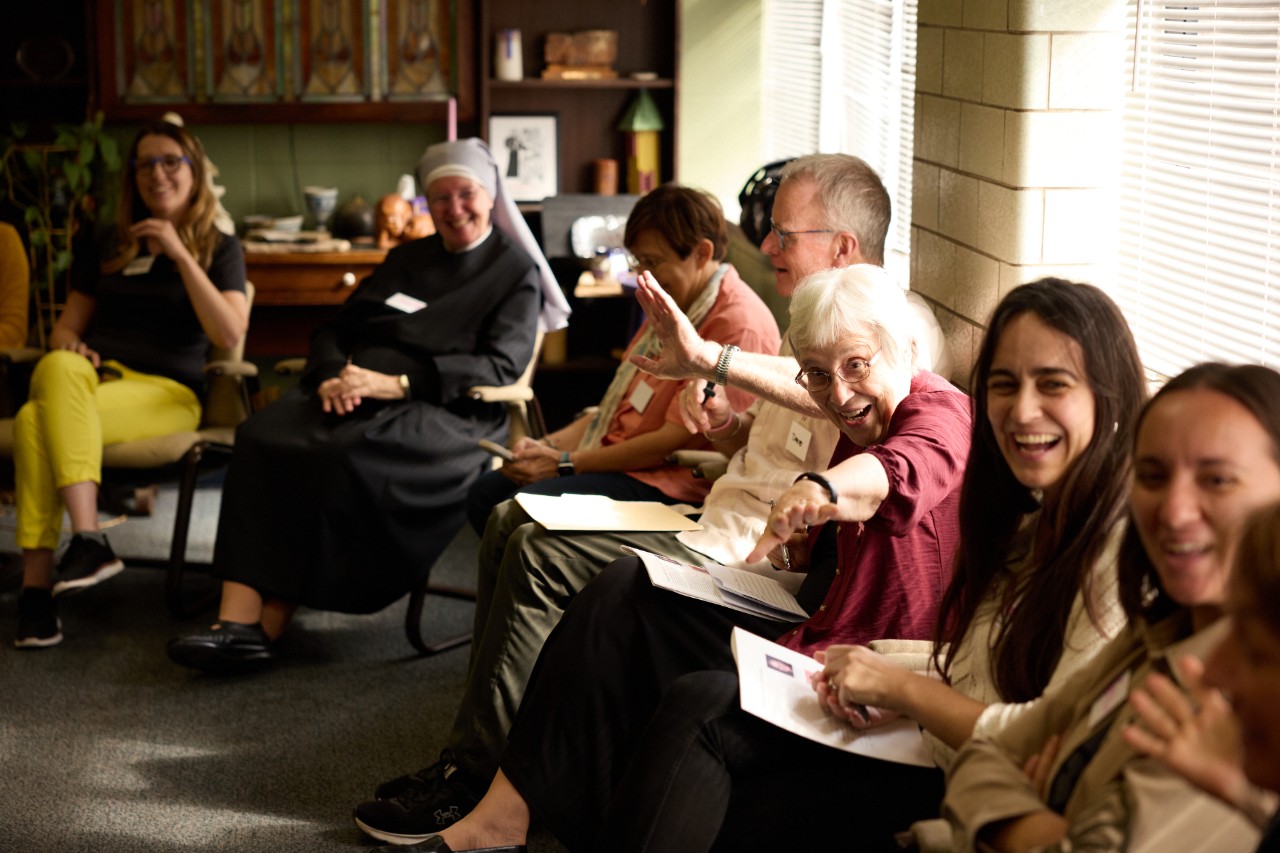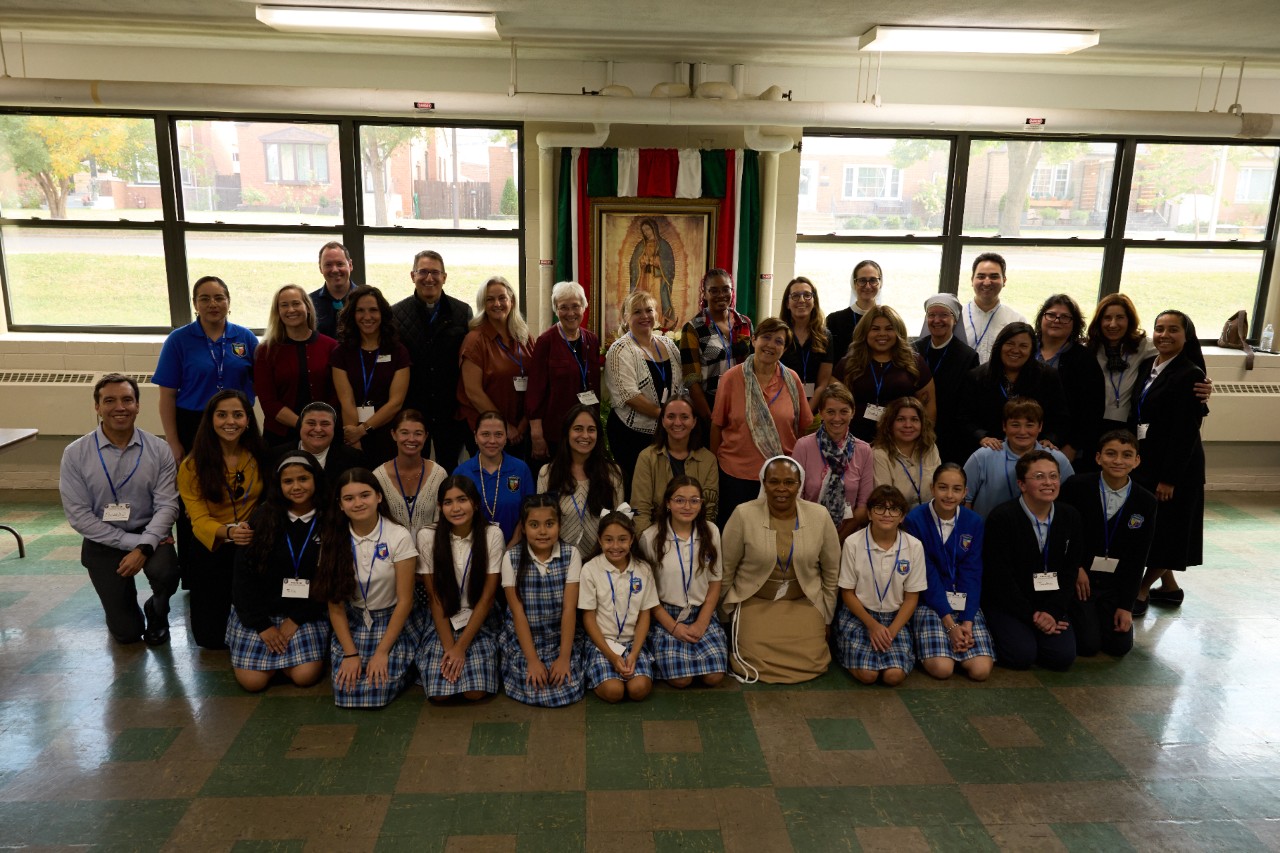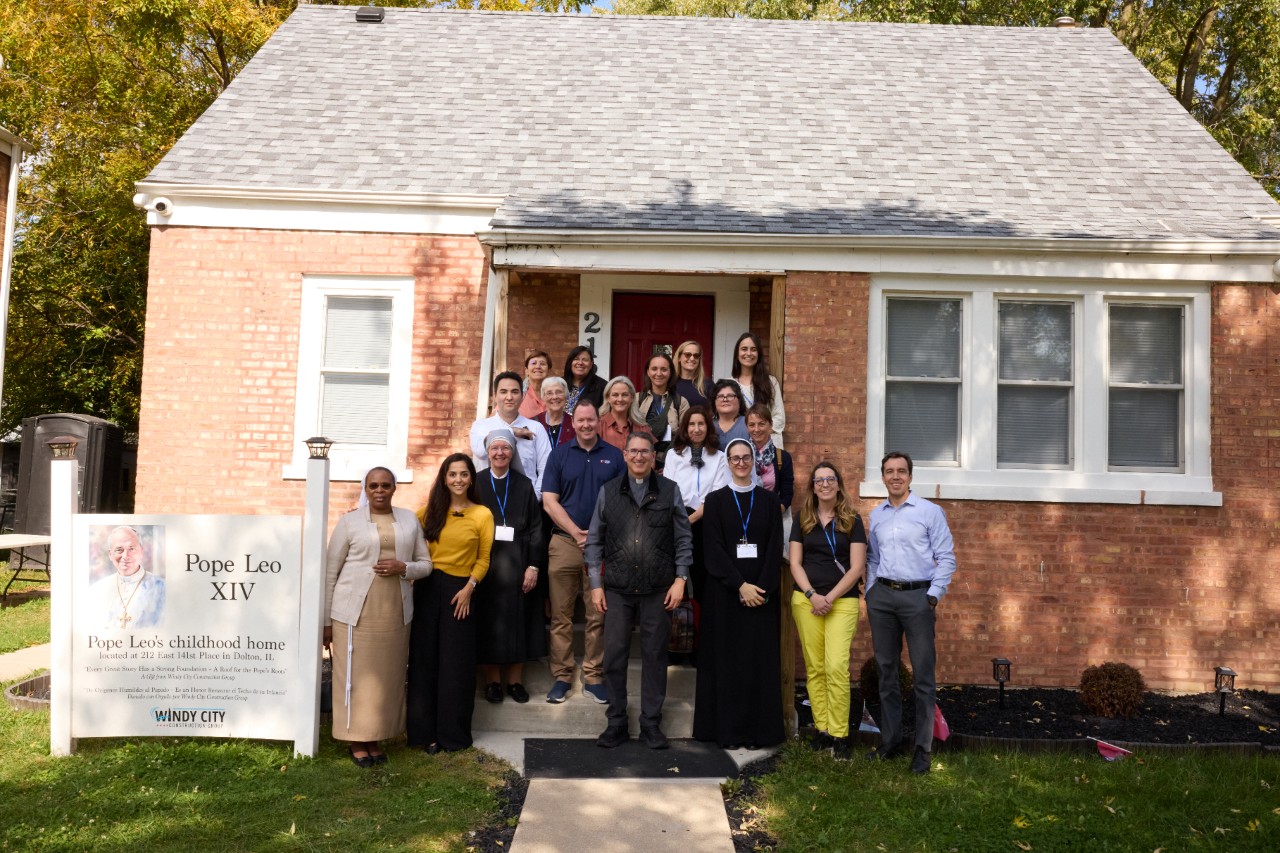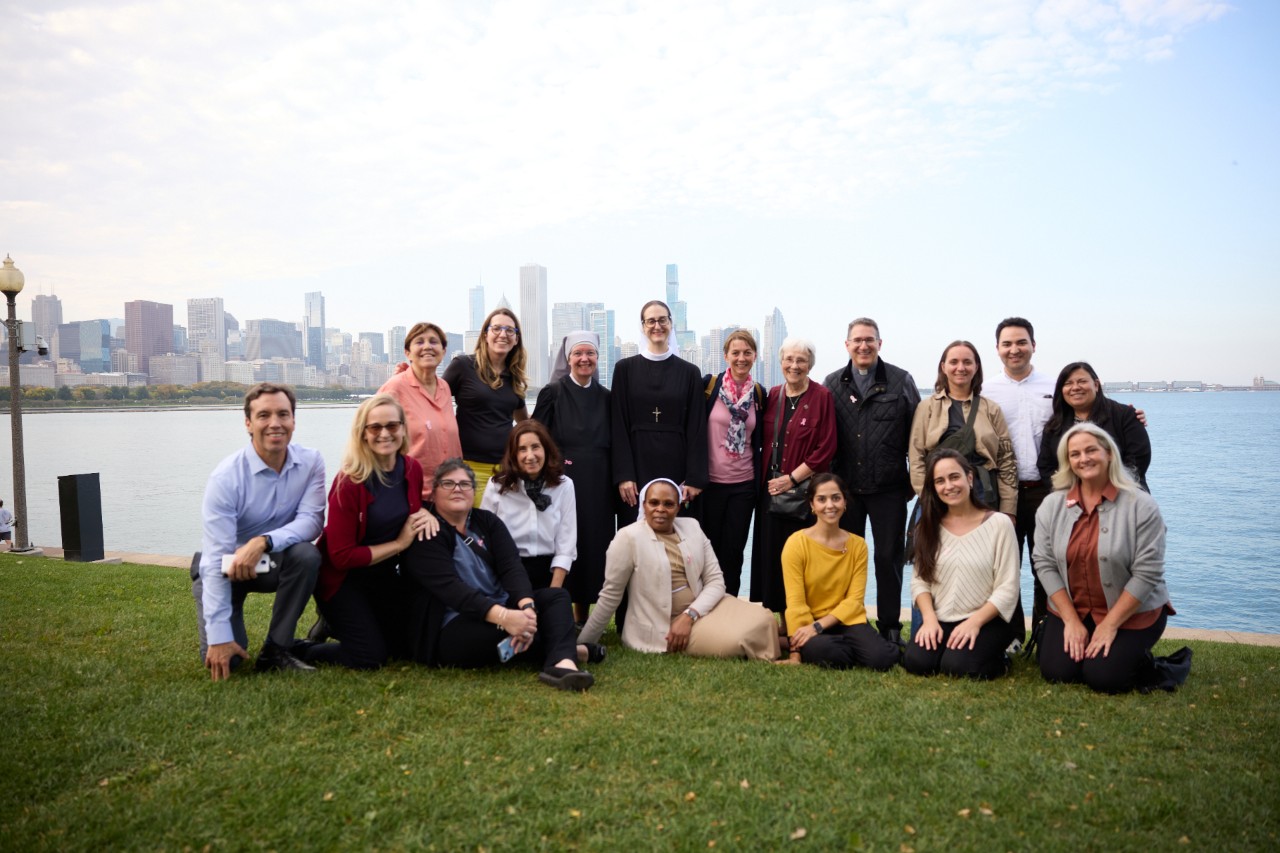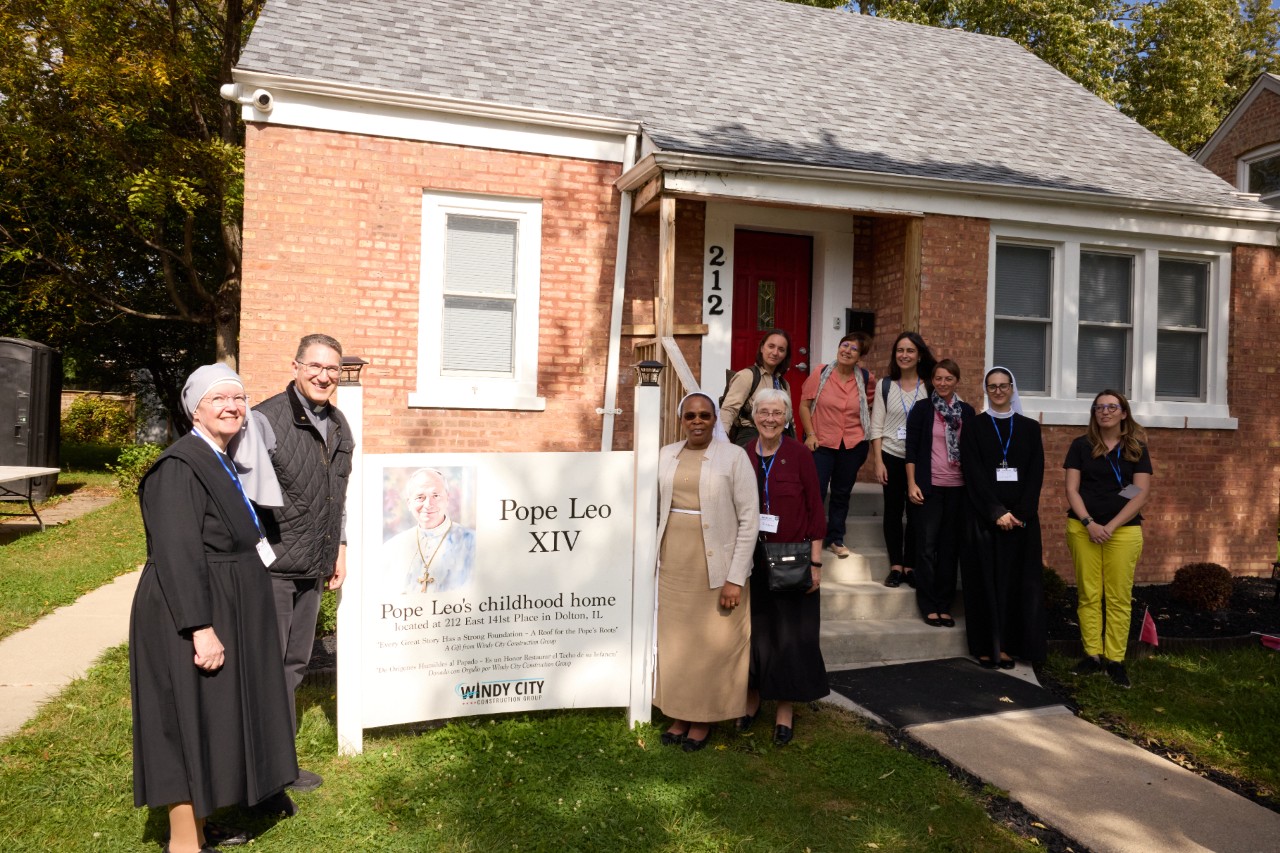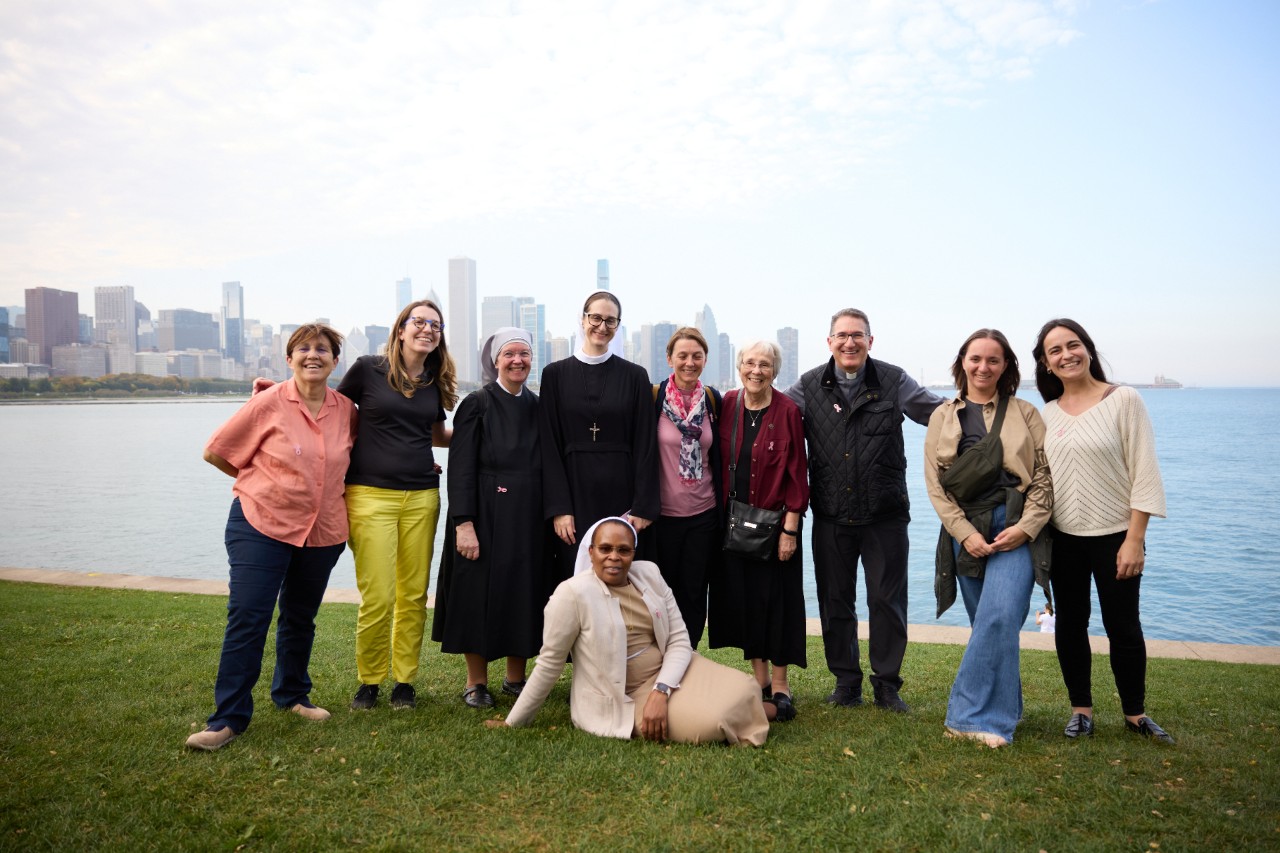

The Dicastery took part in a gathering organised by the Conrad N. Hilton Foundation, dedicated to the formation, accompaniment and mission of consecrated women. Visits to Annunciata School and the Precious Blood Ministry of Reconciliation offered a first-hand view of some of the challenges facing society in the United States, marked by violence, marginalisation and poverty, and of the response of consecrated life, which through collaboration continues to generate hope.
How can the continuity of works be ensured while sharing responsibility for safeguarding vulnerable people? How can consecrated women be accompanied at different stages of life, from formation to care in later life? How can collaboration be strengthened in response to the new challenges of mission?
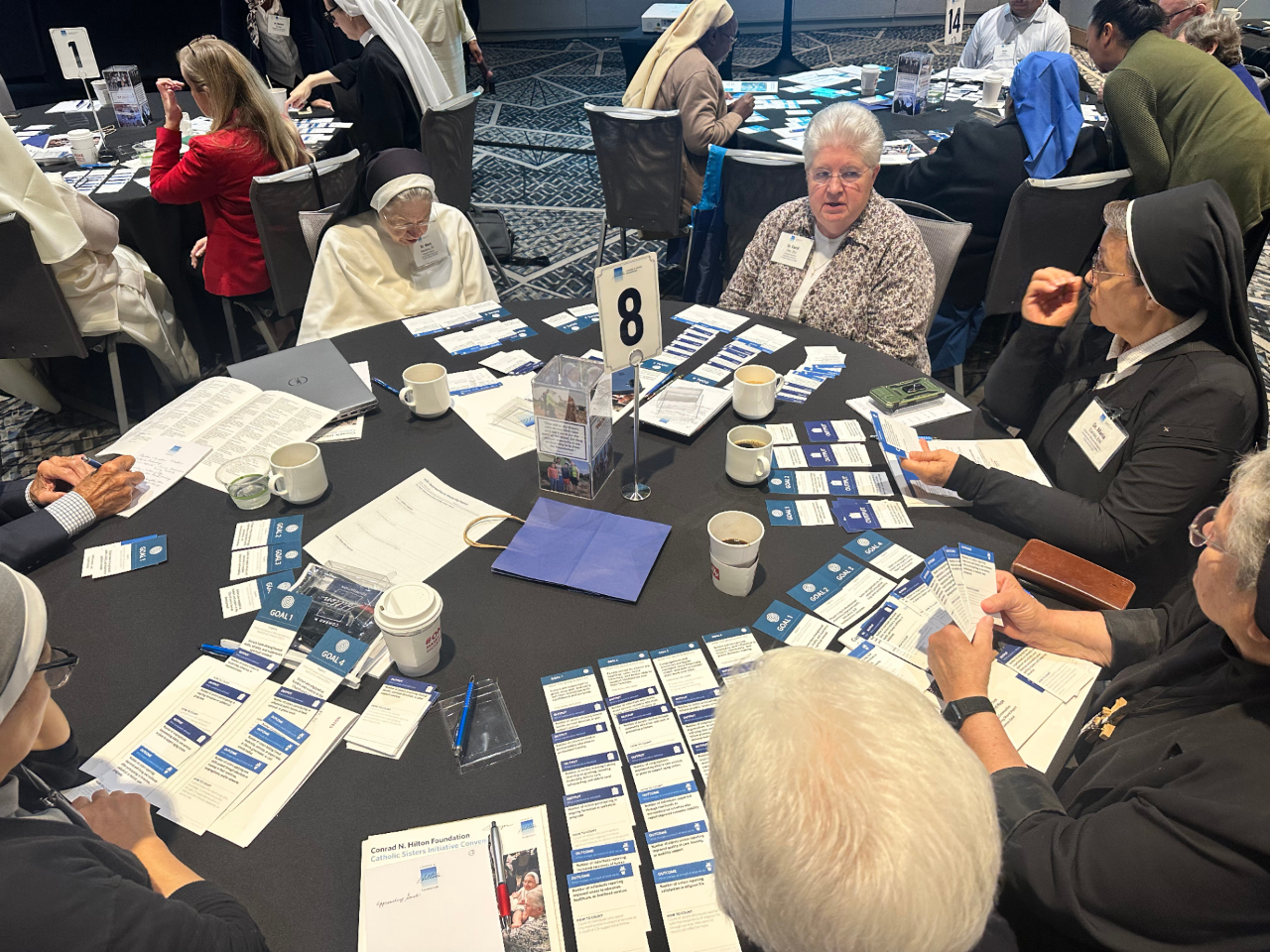
These were some of the questions that guided the Catholic Sisters Initiative gathering, entitled Journeying Together in Solidarity and Hope: Strengthening Communities and Cultivating Shared Impact for the Common Good, organised by the Conrad N. Hilton Foundation in Chicago from 14 to 16 October 2026.
The initiative brought together representatives from a range of Church, educational and social organisations to strengthen support networks for consecrated women, encourage the sharing of experiences and identify new forms of collaboration in the service of people and communities.
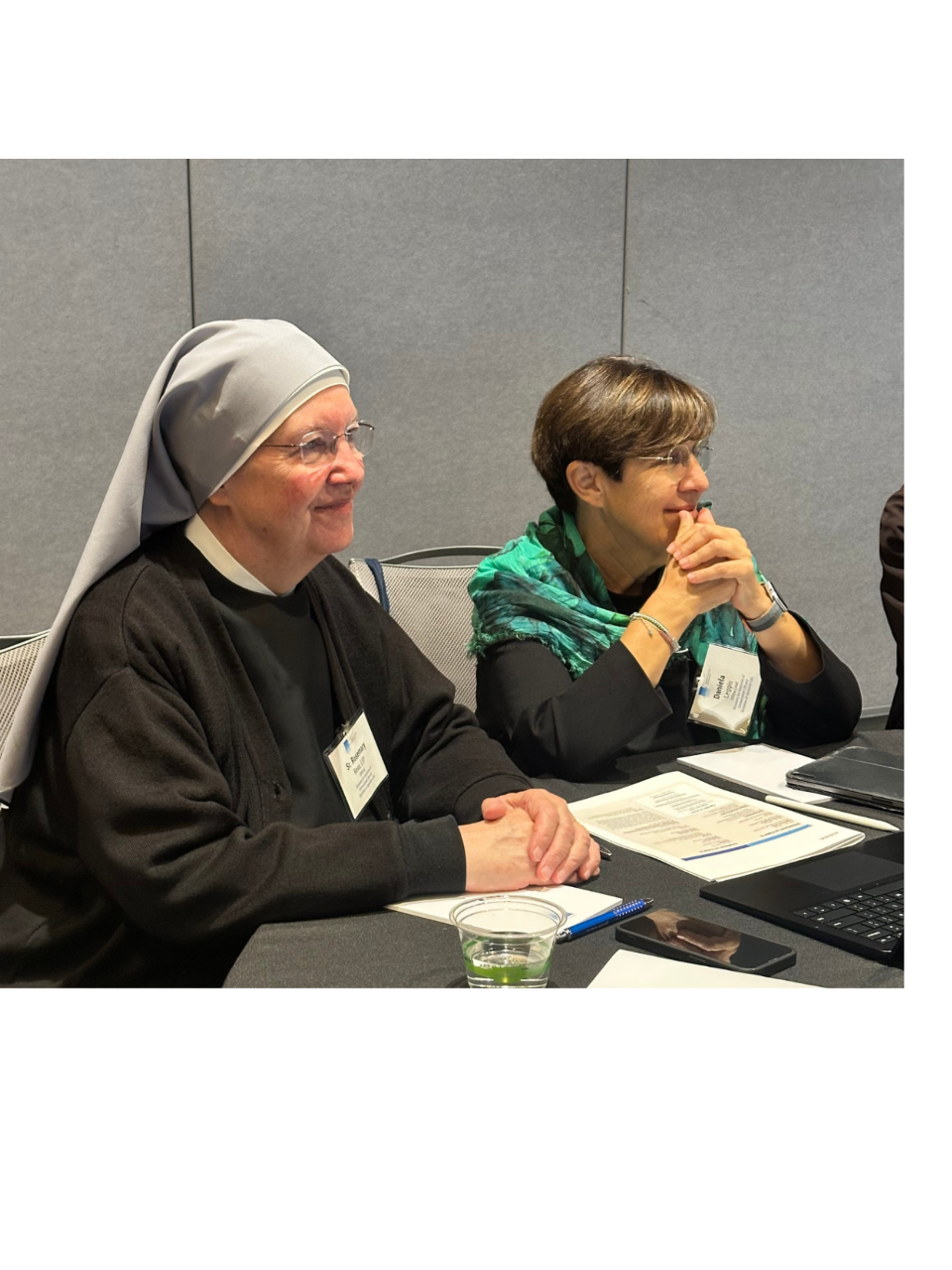
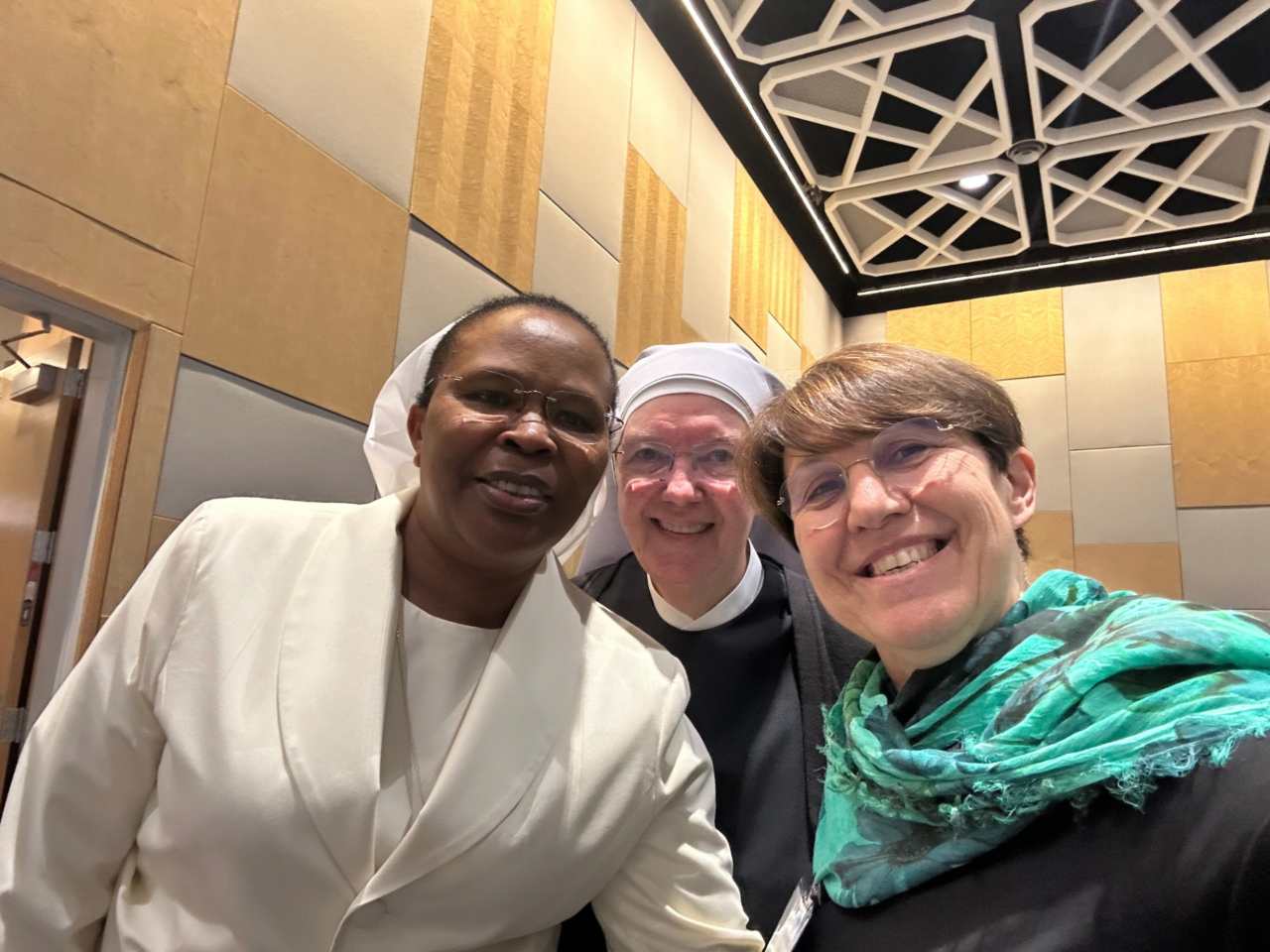
The Dicastery for Institutes of Consecrated Life and Societies of Apostolic Life was represented by Daniela Leggio, Head of the Office for Promotion and Formation, and Sister Rosemary Rese, an official of the Dicastery.
A Dicastery that listens, offers formation and accompanies
The Dicastery is not simply about norms, procedures and documents. It is also, and above all, a service of listening, dialogue and accompaniment for Institutes and consecrated persons. This is the perhaps less widely known aspect that Daniela Leggio sought to highlight during the panel on 15 October, dedicated to prophetic and compassionate witness.
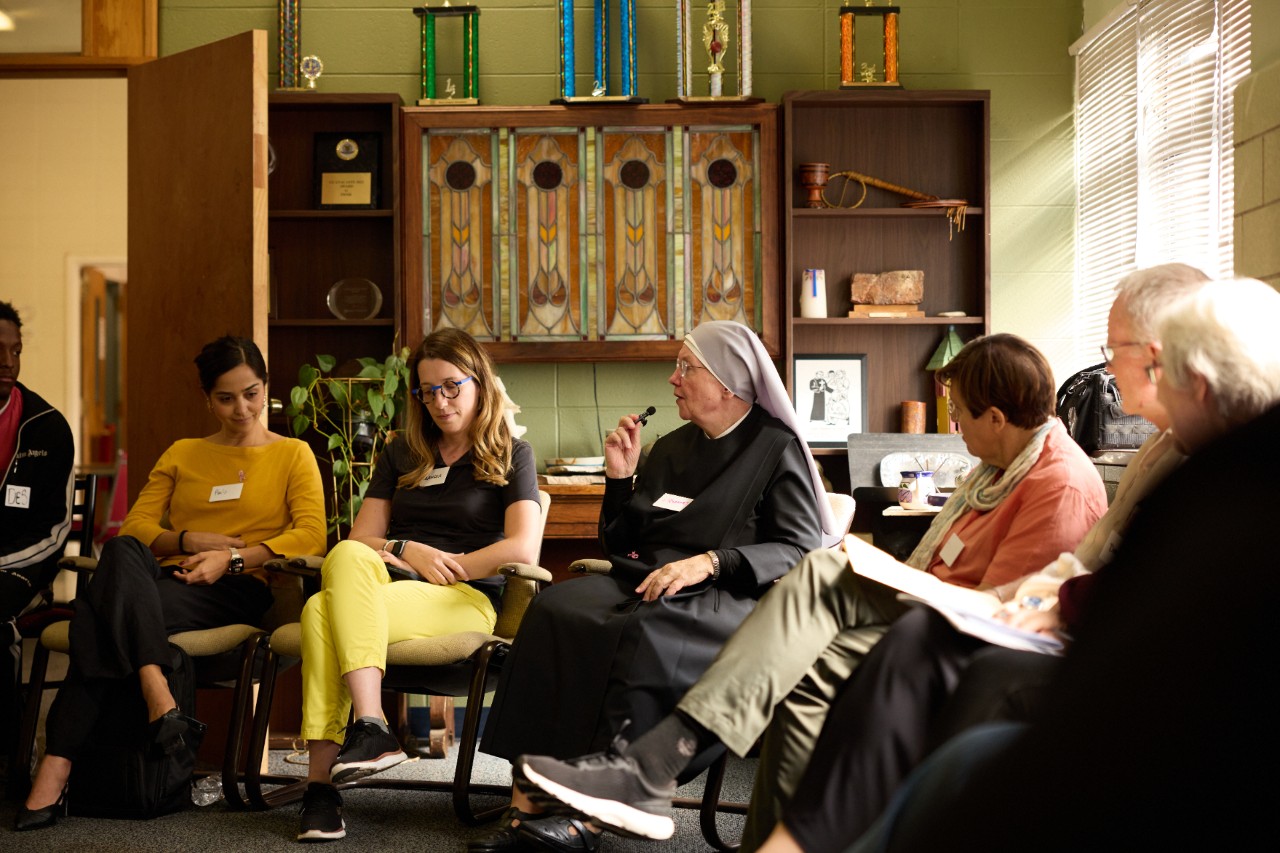
The dialogue with participants highlighted the importance of accompanying consecrated women through the different stages of life, supporting their formation, preparation for responsibilities of governance, spiritual renewal and care in later life.
This service takes shape in listening to difficulties, supporting those who exercise leadership responsibilities, preventing problematic situations and promoting the safeguarding of persons.
Formation has a central place in this perspective. One example is e-Studium, the two-year programme promoted by the Dicastery which, through online lessons and translation into several languages, offers consecrated women and men throughout the world an opportunity to deepen their understanding of the Magisterium, the norms and the practice of consecrated life.
Collaborate, ensure continuity, safeguard
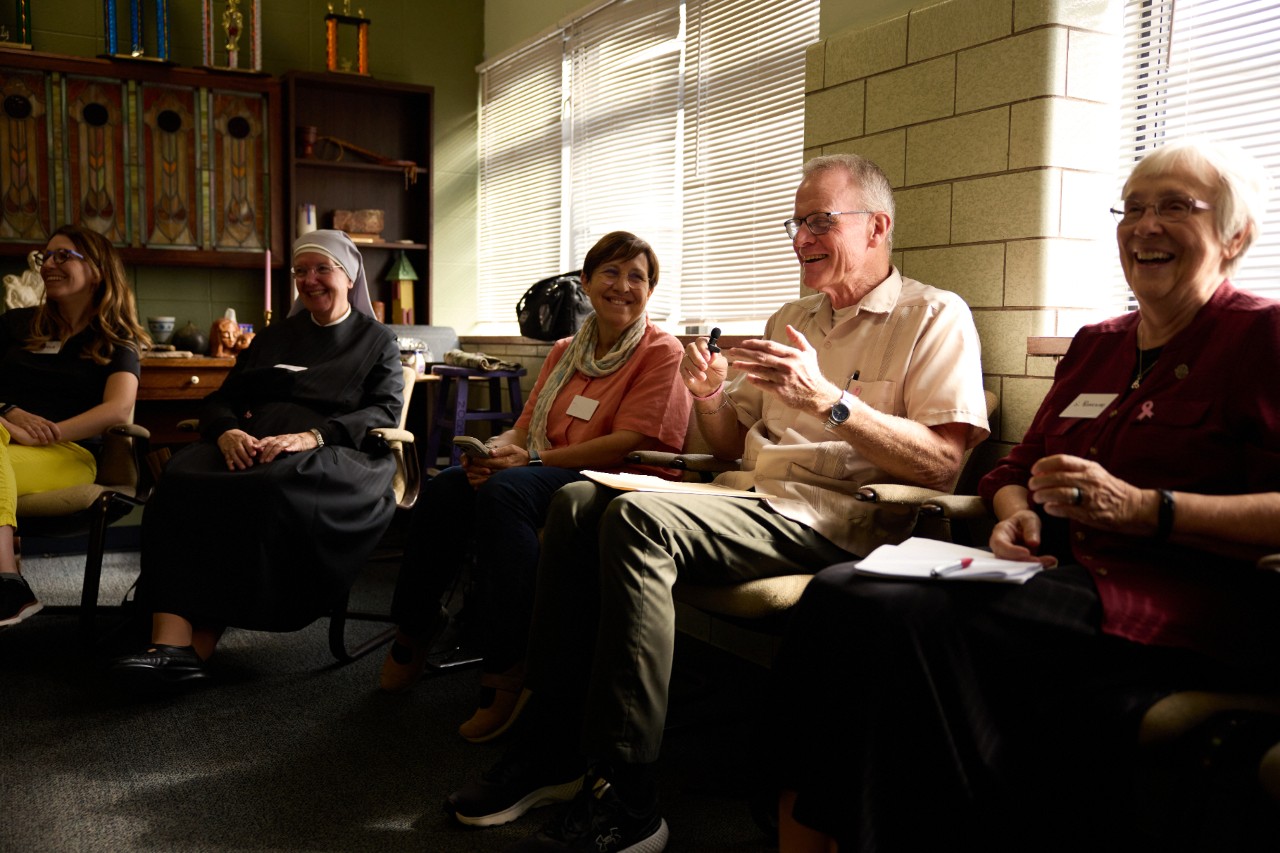
Listening and mutual learning were at the heart of the days of dialogue, as an expression of a synodal approach capable of fostering new forms of collaboration and making projects more effective and longer-lasting.
Particular attention was given to the sustainability of works, shared responsibility and the need to evaluate the outcomes of initiatives, in order to draw on experience and identify appropriate responses to the needs of communities.
The safeguarding of children, young people and vulnerable adults also emerged as a priority, to be integrated ever more fully into the planning and management of services. It is a shared responsibility that requires formation, prevention and constant attention to the dignity of every person.
Those taking part in the discussions included leaders of educational and social organisations, representatives of partner bodies and representatives of the Dicastery for Promoting Integral Human Development, the Dicastery for Communication, the Pontifical Commission for the Protection of Minors and the International Union of Superiors General.
Alongside children and families: educating to build the future
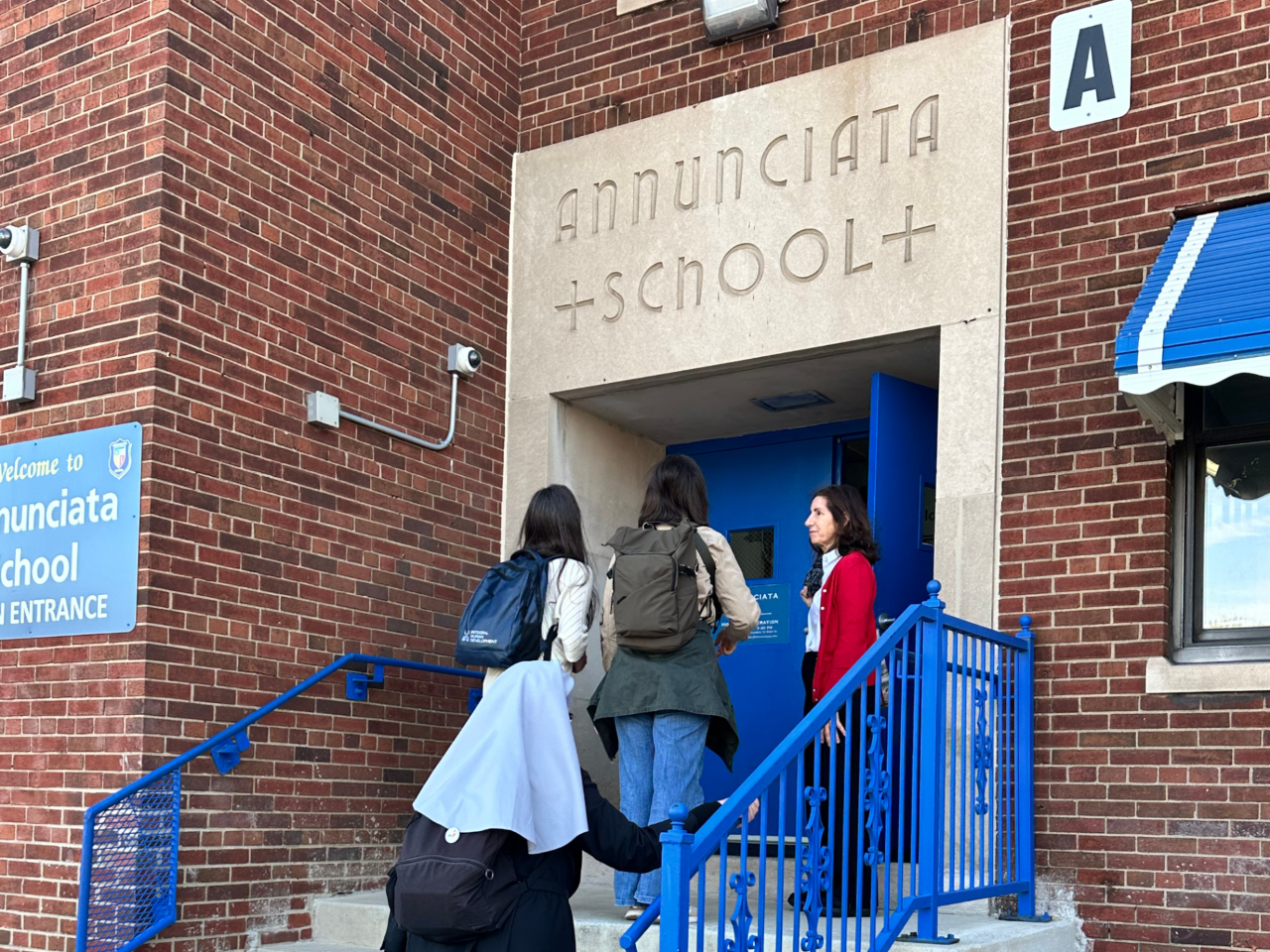
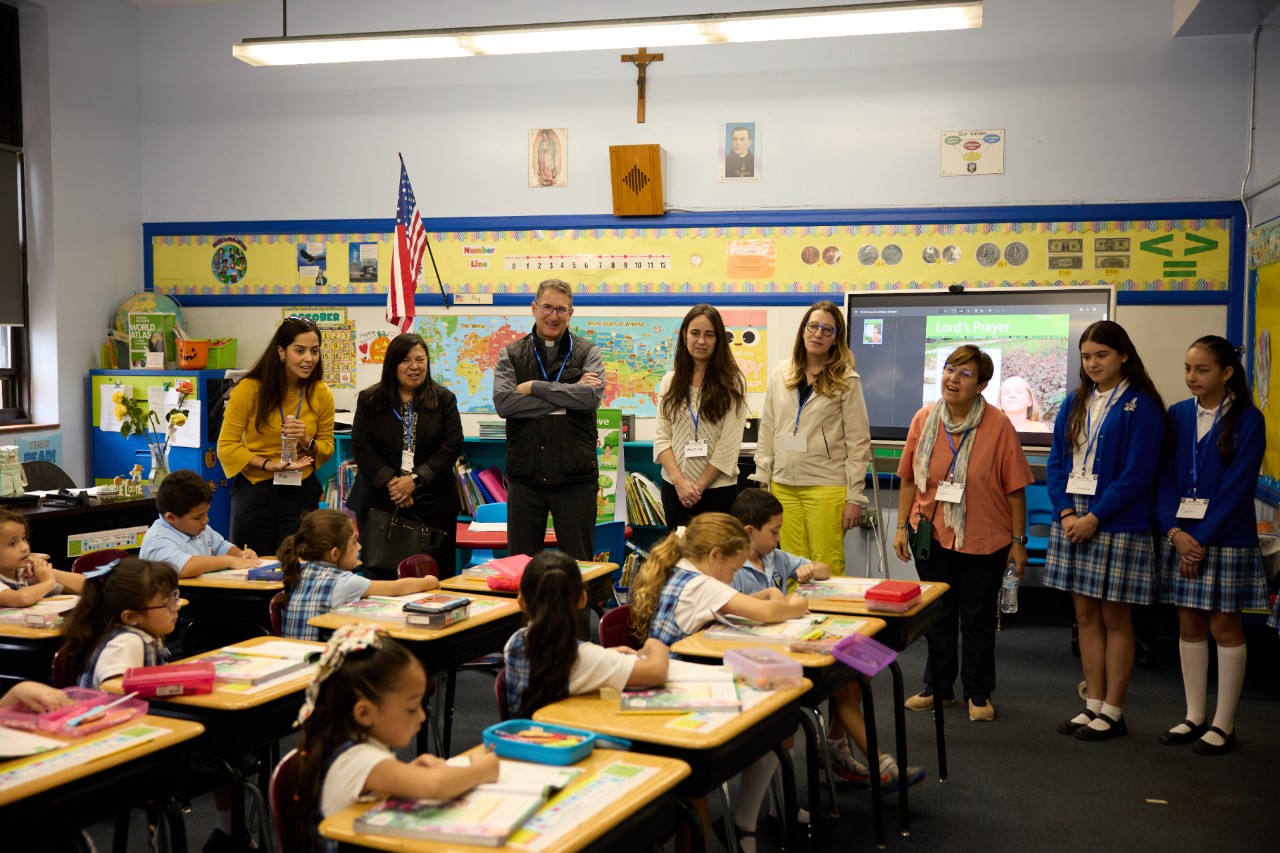
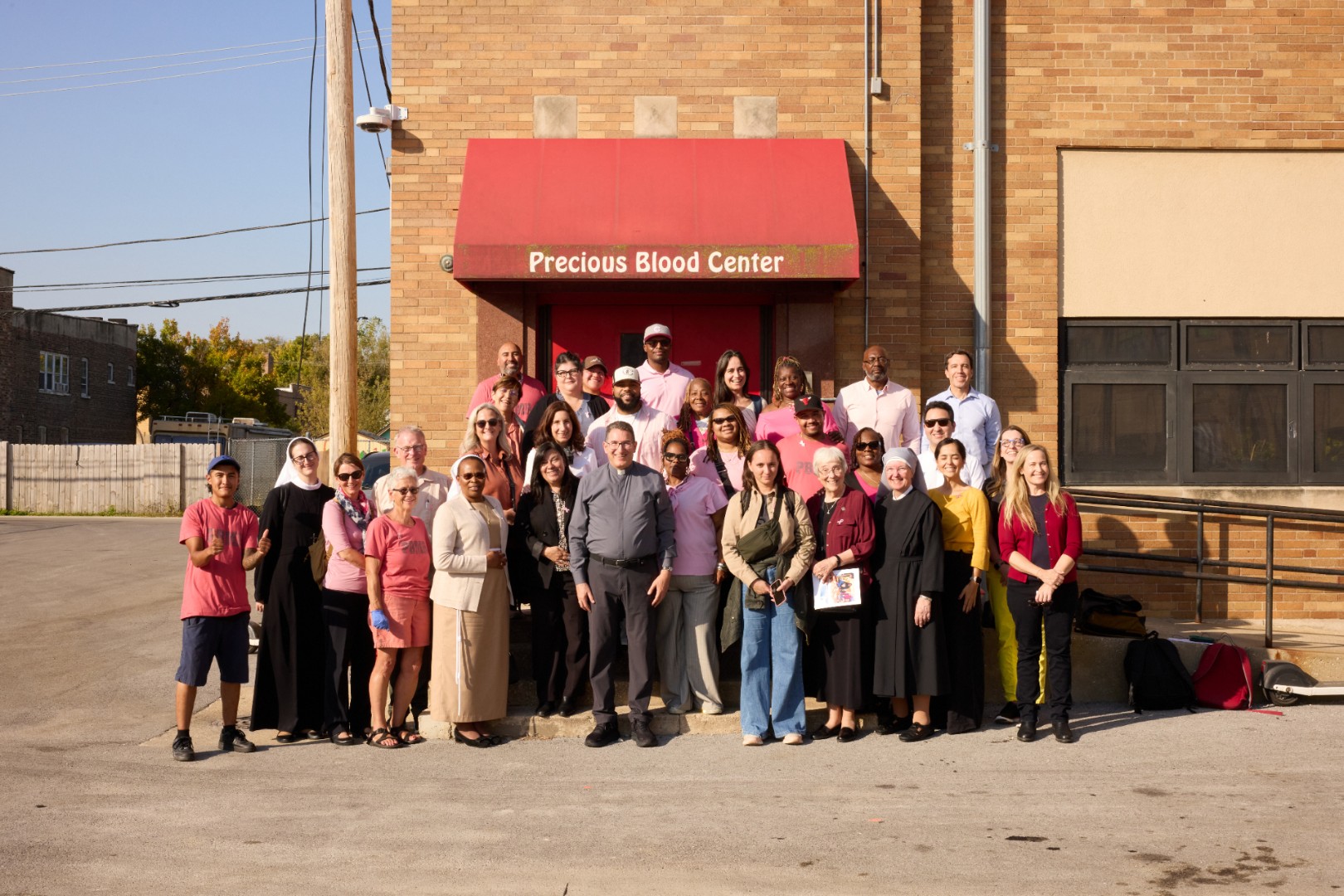
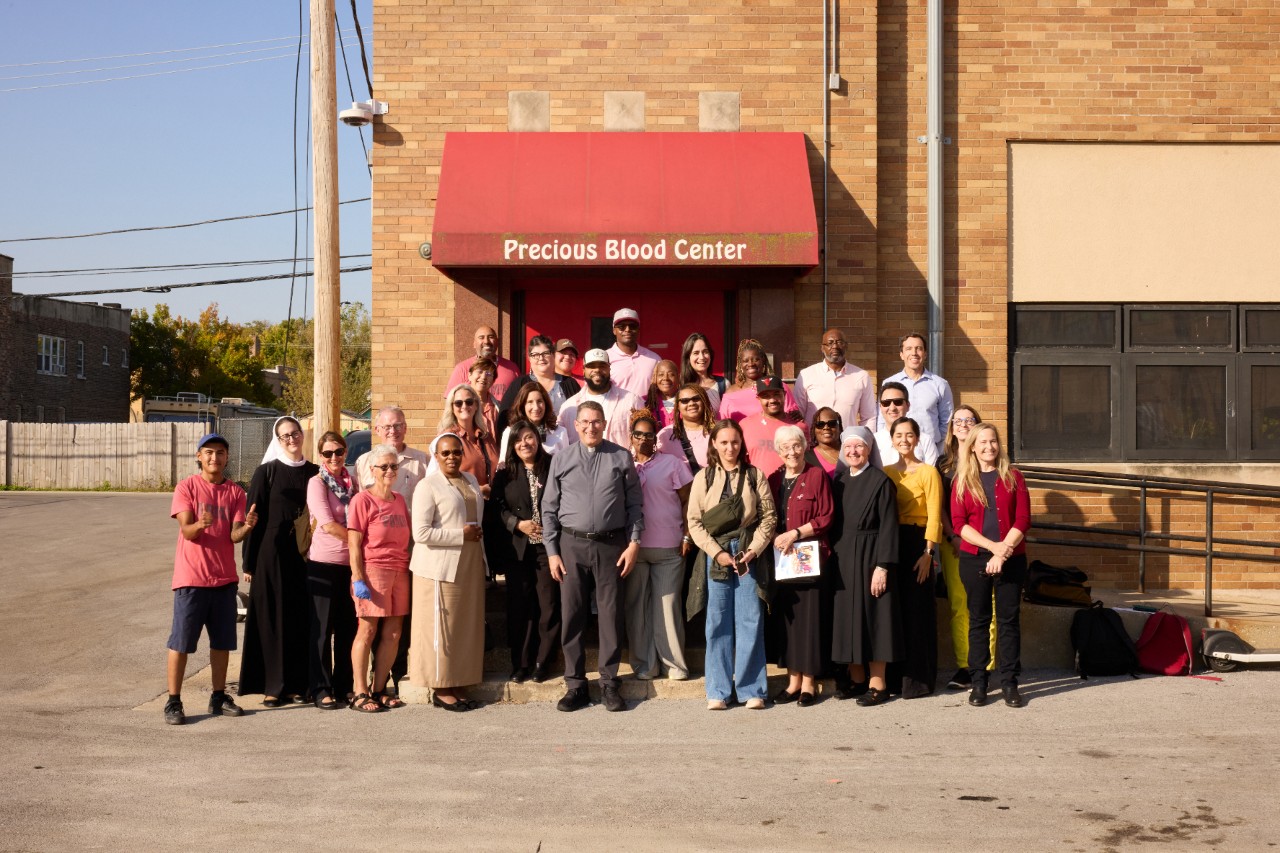
On 13 October, before the gathering began, the Dicastery representatives visited Annunciata School and the Precious Blood Ministry of Reconciliation, two organisations supported by the Conrad N. Hilton Foundation. It was an opportunity to see at first hand the work of consecrated women and their collaborators in settings marked by economic hardship, inequality and violence.
At Annunciata School, which serves children and young people from the ages of three to fourteen, they were able to observe an educational experience in which the dedication of consecrated women is joined by the commitment of teachers and the involvement of families.
The relationship between teachers and pupils stood out as particularly significant, supported by up-to-date teaching methods and an education that brings together academic learning, faith and a sense of community. It is an approach that seeks to bring out each pupil’s abilities and prepare young people to take responsibility within their families, the Church and society.
Annunciata School and Immaculate Conception School, both run by the Daughters of Mary Immaculate of Guadalupe, together serve 360 pupils from families in neighbourhoods facing socio-economic difficulties. Through the Hope for the Future project, the two schools also support children who have experienced trauma, offering counselling, music therapy, art therapy and movement therapy. The schools also work with the Big Shoulders Fund.
The visit offered an insight into the valuable, but also demanding, work carried out by consecrated women and their collaborators to provide children and families facing disadvantage with new opportunities for growth.
In a setting marked by profound inequality and injustice, this work is a tangible sign of hope: it does not simply impart knowledge, but helps restore people’s dignity, develop their potential and open up prospects for a better future.
From violence to reconciliation: hope born of encounter
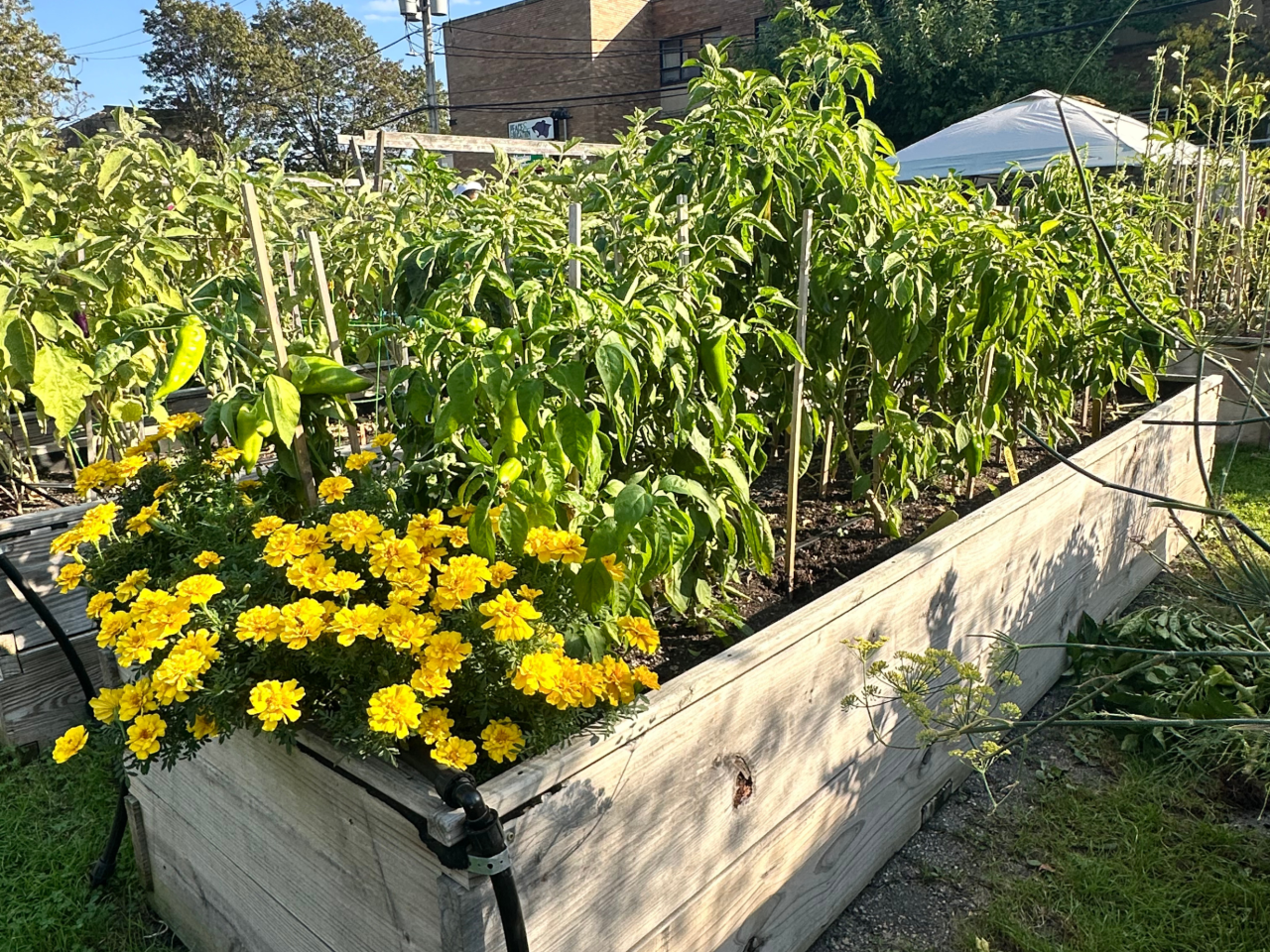
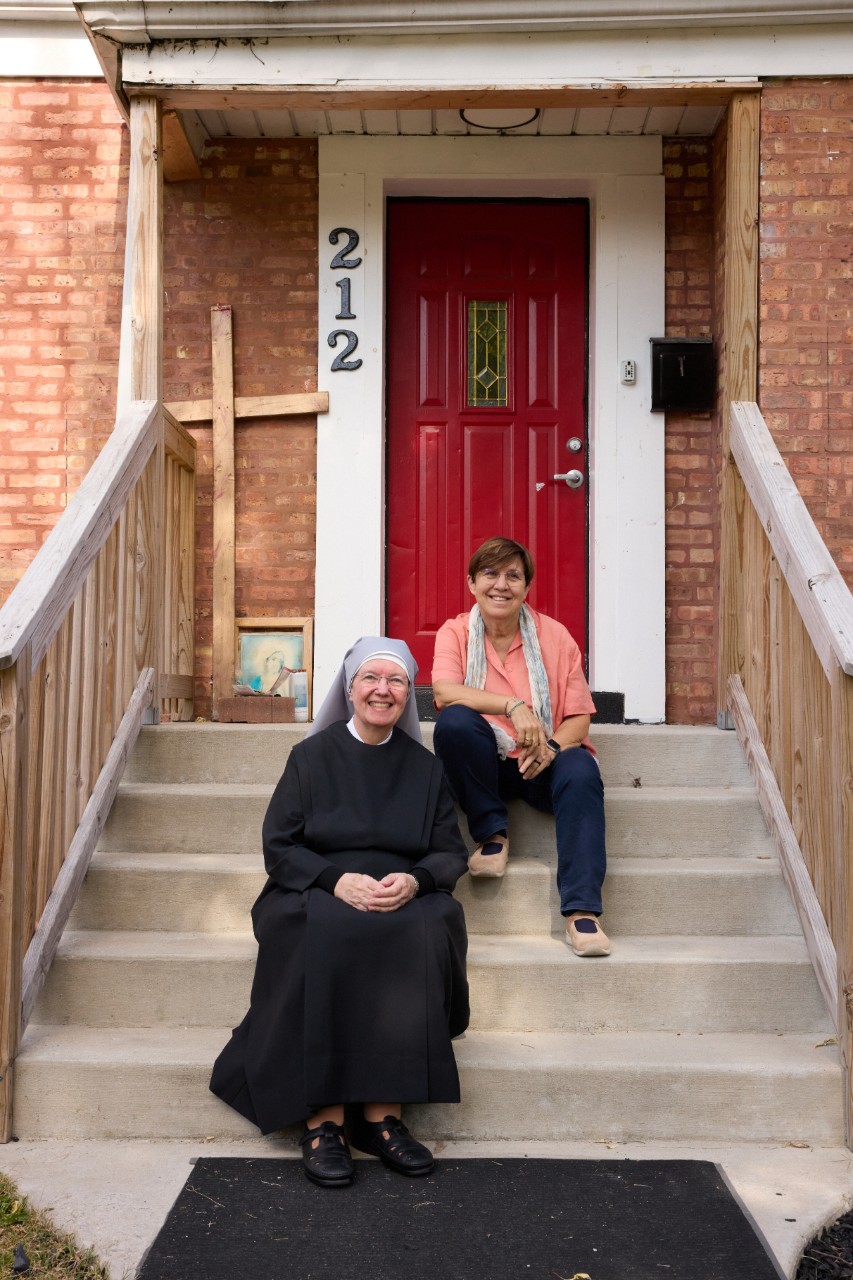
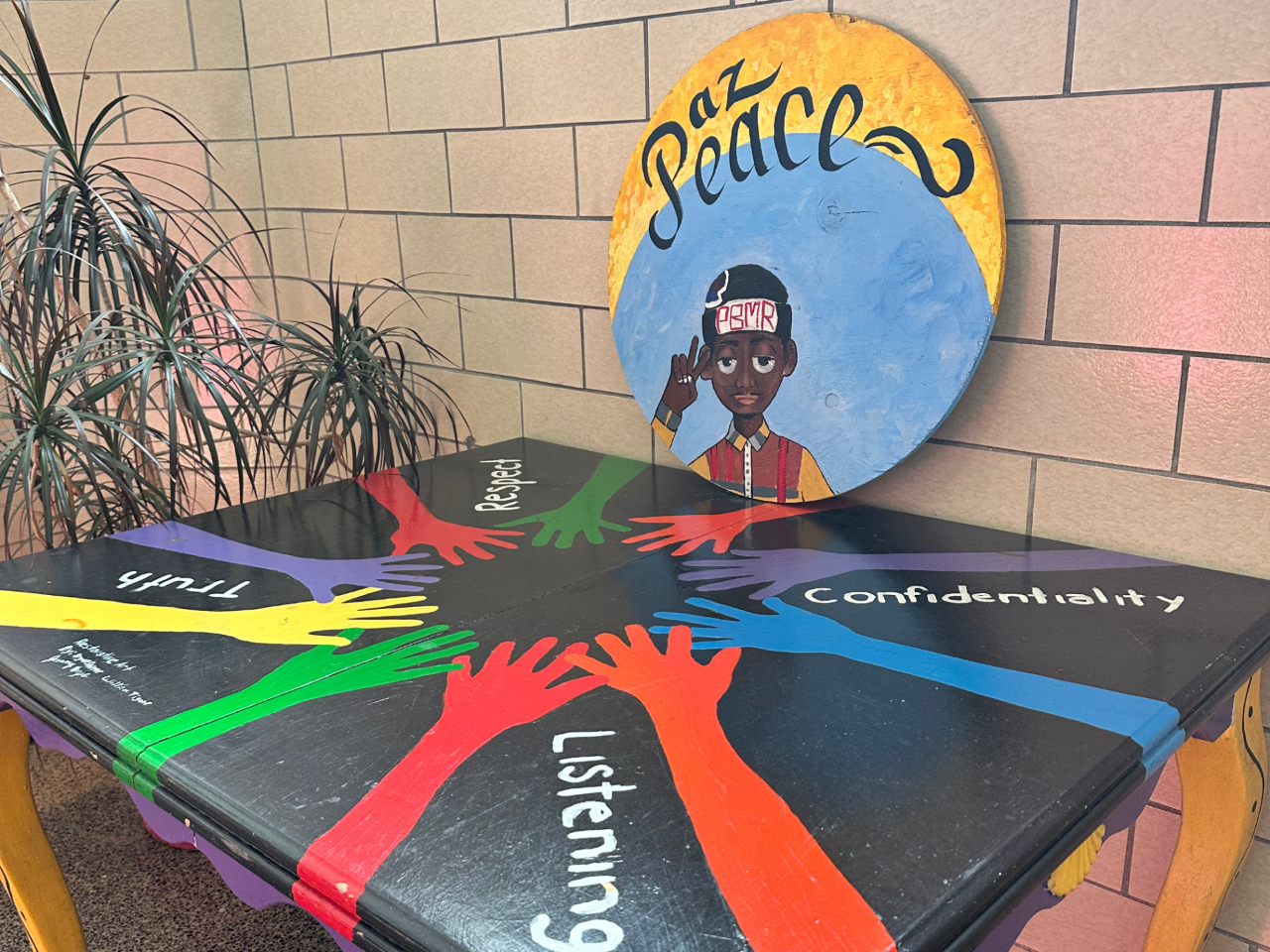
The visit to the Precious Blood Ministry of Reconciliation, founded in 2002 by the Missionaries of the Precious Blood, introduced the Dicastery representatives to an organisation that accompanies young people and families in two neighbourhoods on Chicago’s South Side that have been deeply affected by violence.
Particularly moving was the testimony of a mother who, after losing her son to violence, found the strength to stand alongside other families affected by the same suffering. Her testimony showed how pain, when met with listening and support, can be transformed into closeness to others and open paths to reconciliation.
The centre offers programmes of accompaniment to address trauma, educational and employment opportunities, psychological and emotional support, affordable housing and assistance in financial emergencies. Through career guidance and skills development, it also helps young people build pathways towards social and economic independence.
The experience shows that reconciliation is not merely an ideal, but a concrete path that passes through listening, rebuilding relationships and the possibility of imagining a different future.
The two visits made visible the contribution of consecrated life in complex settings, where mission takes shape through shared work with educators, social workers, volunteers and families.
The Dicastery expresses its gratitude to consecrated women and men and their collaborators for the dedication with which they accompany children, young people and families, especially in situations of greatest vulnerability. It is a daily commitment that, even in the face of difficulties, continues to safeguard people’s dignity and generate hope.
Further reading
Sister Smerilli to women religious in Chicago: “The data arrived late. You were already there | Dicastery for Promoting Integral Human Development
Highlighting safeguarding in religious life, Commission joins Conrad N. Hilton Foundation convening in Chicago | Pontifical Commission for the Protection of Minors