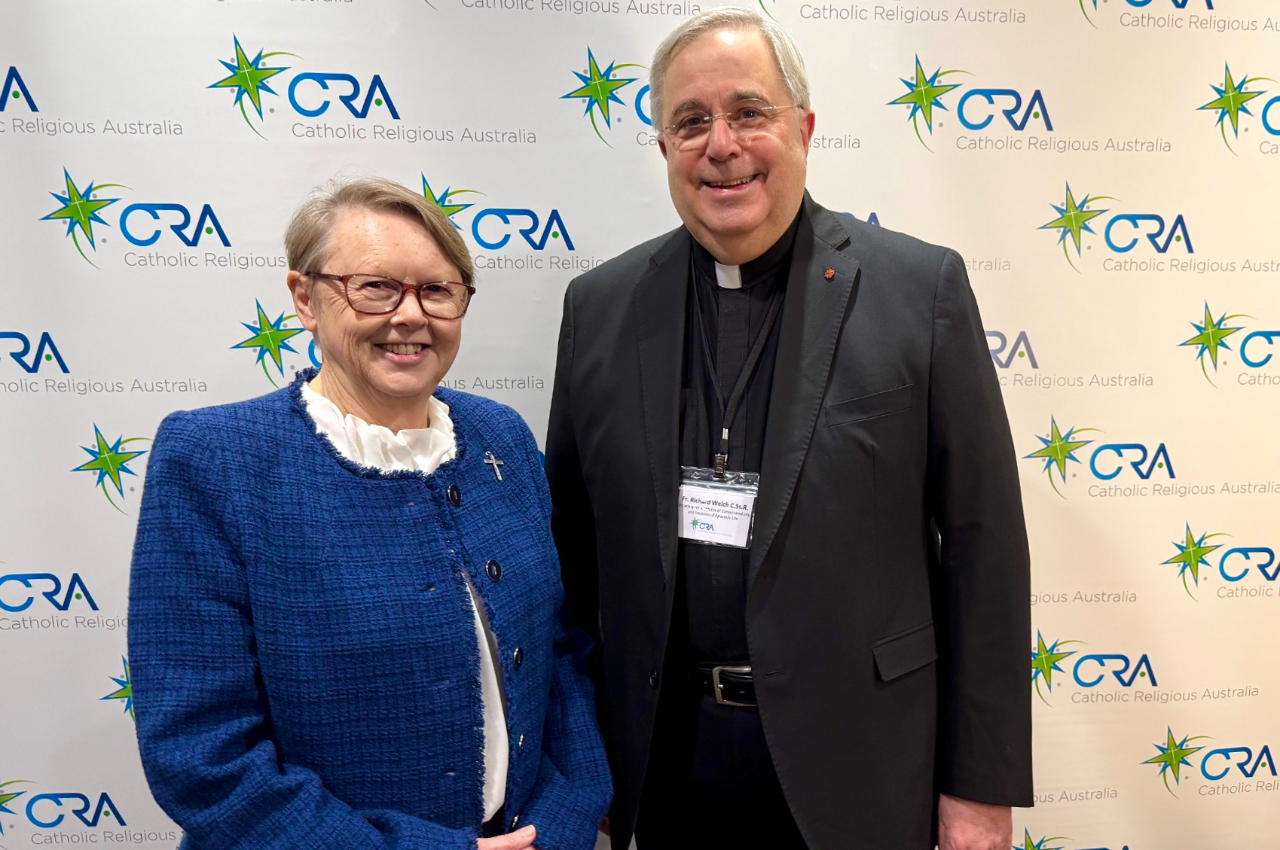

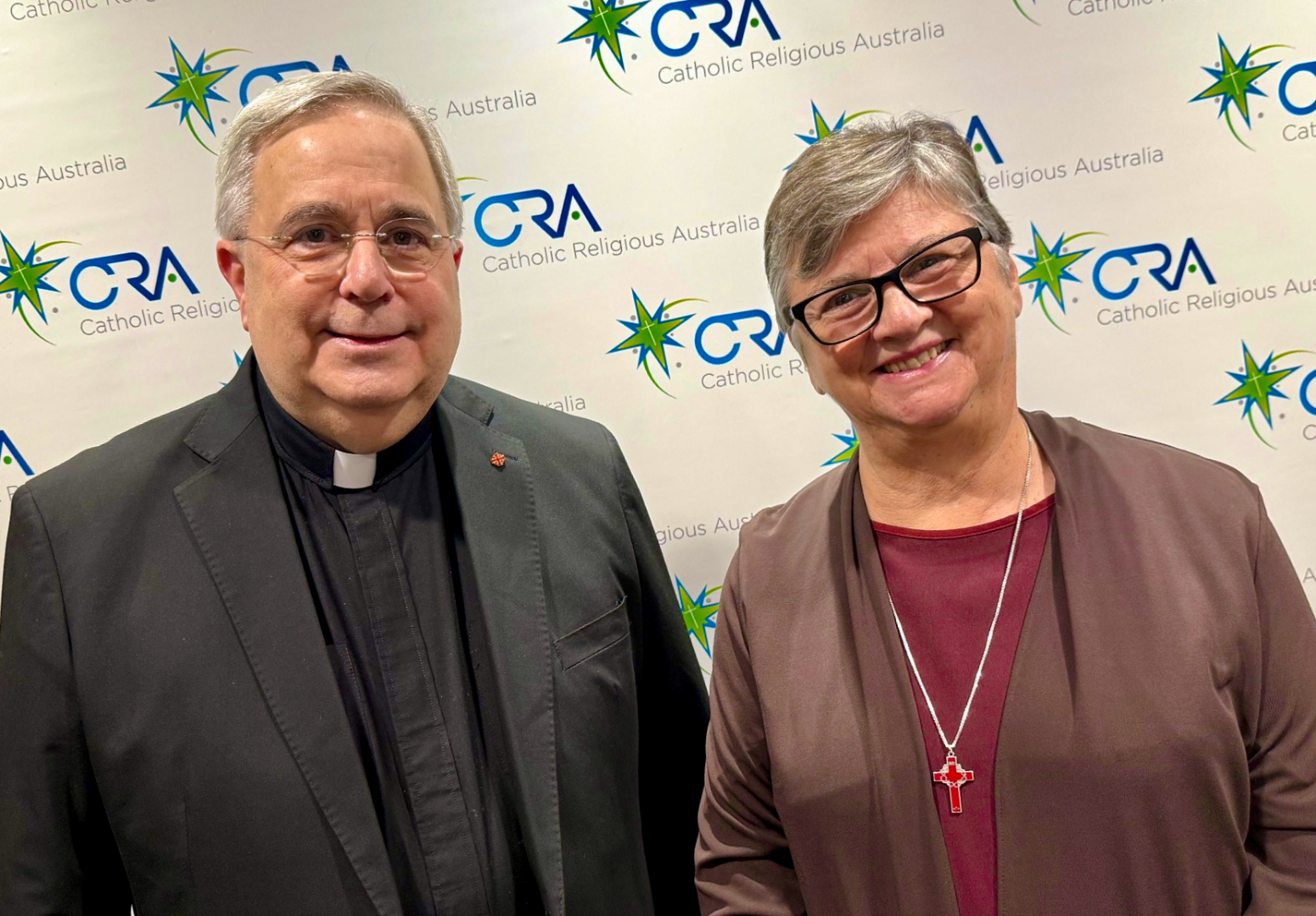
In Melbourne, Sr Tiziana Merletti and Fr Richard Welch encountered a reality that looks candidly at the changes under way and seeks new paths. Collaboration between institutes and lay people, care for people, shared responsibility. From the Dicastery, a call to listen, to pass through the limit, and to see the faces behind every case.
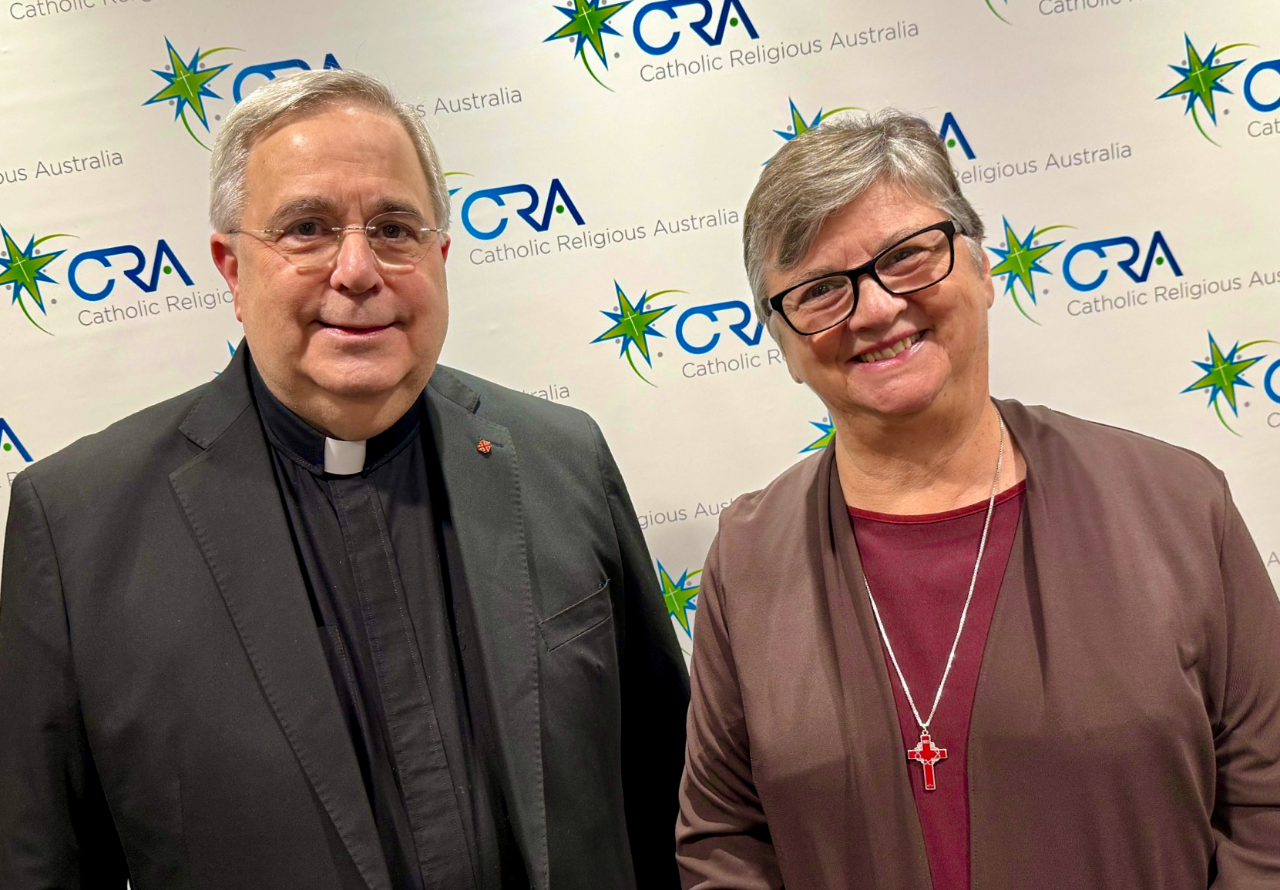
A climate of trust and openness in which the future can be discussed candidly. This is the picture Sr Tiziana Merletti, Secretary of the Dicastery, and Fr Richard Welch, C.Ss.R., an official, bring back from Australia. A reality undergoing profound change, yet sustained by a long experience of collaboration and by the search for appropriate ways to care for people, works and charisms.
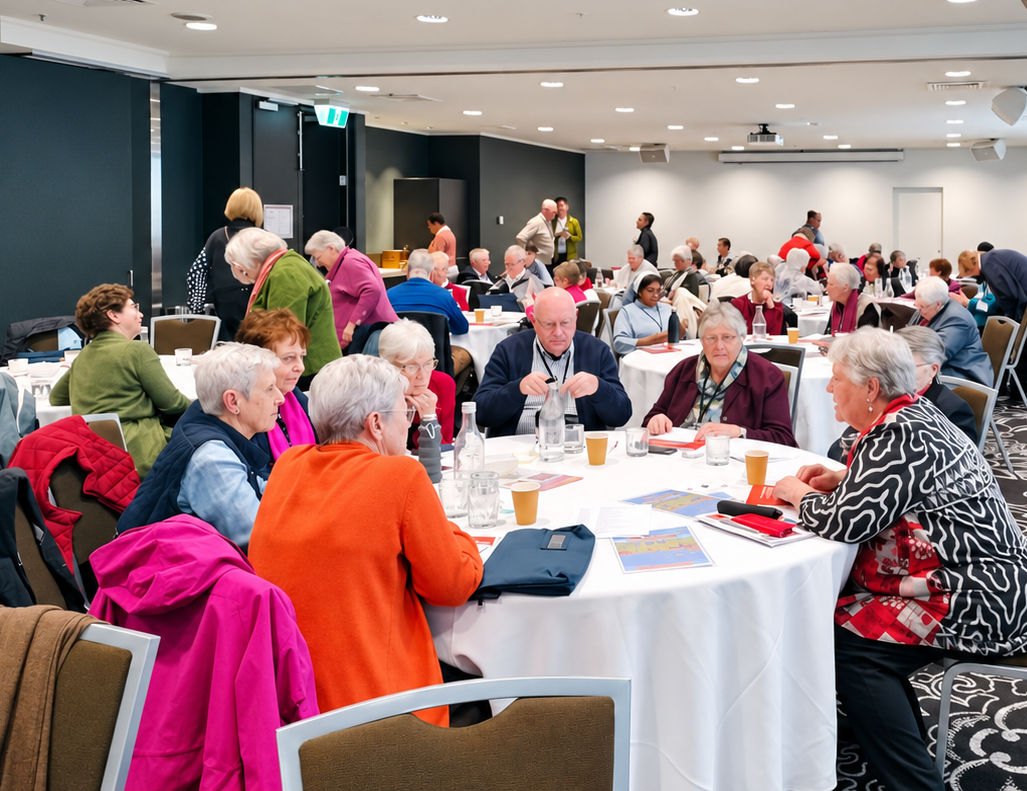
From 3 to 6 August 2026, the two representatives of the Dicastery were in Melbourne for the National Assembly of Catholic Religious Australia and for other meetings devoted to the present and future of institutes in the country. It was the Dicastery’s first participation in the Assembly, which brought together more than 150 leaders and members of the congregations’ governing groups.
A future to build together
Consecrated women and men gathered in the same national body, institutes collaborating with one another, well-established lay participation in the mission. The Australian experience shows communities already engaged in addressing changes that affect governance, care for members, works and the heritage they have received.
Catholic Religious Australia gives the superiors of institutes a common voice and fosters collaboration among congregations. Listening, discernment and shared responsibility accompany this path, together with the search for forms of synodal leadership and shared mission that respect the different charisms.
When the forms that have sustained an institute for decades can no longer remain unchanged, what it has received must be preserved: accompanying people and older members, preserving archives, history and heritage, administering assets responsibly, and discerning how the charism and mission can continue. The materials from the visit clearly distinguish preserving the charism from the indefinite continuation of every canonical structure.
Passing through the limit
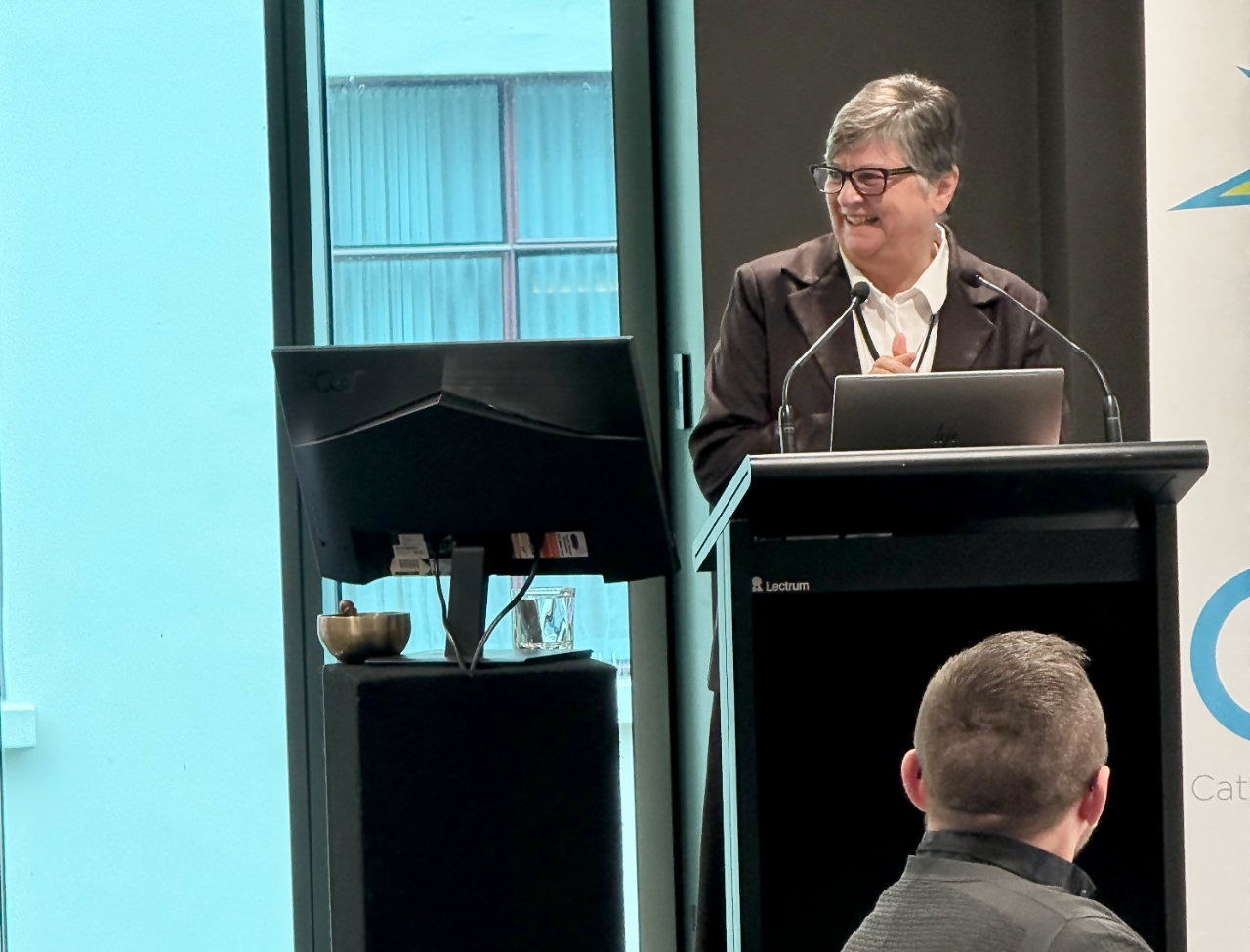
In her address, Sr Tiziana Merletti presented the service of the Dicastery, taking listening as her starting point. She recalled the importance of continuing to learn from people and groups, along paths also marked by choices, mistakes, forgiveness and fidelity.
The limit associated with age, illness, vulnerability or incapacity is not presented as an obstacle to be avoided, but as a reality to pass through, deepening one’s relationship with God. Sr Tiziana also evokes the image of the “wise architects”, called to build, inspired by the hope of the Kingdom.
The presentation of the Dicastery’s competencies and data on its activity showed the variety and concrete nature of the situations addressed each day: institutes, people, works and delicate questions of governance in different parts of the world.
Behind the files, the faces
Fr Richard Welch entitled his address Working at the Dicastery: behind the files, the faces.
Behind every file are people, “their vocations, their suffering, their conflicts, their hopes and their commitment to the service of the Church”. The Dicastery’s decisions are not merely administrative acts. They often concern people and communities going through particularly difficult times.
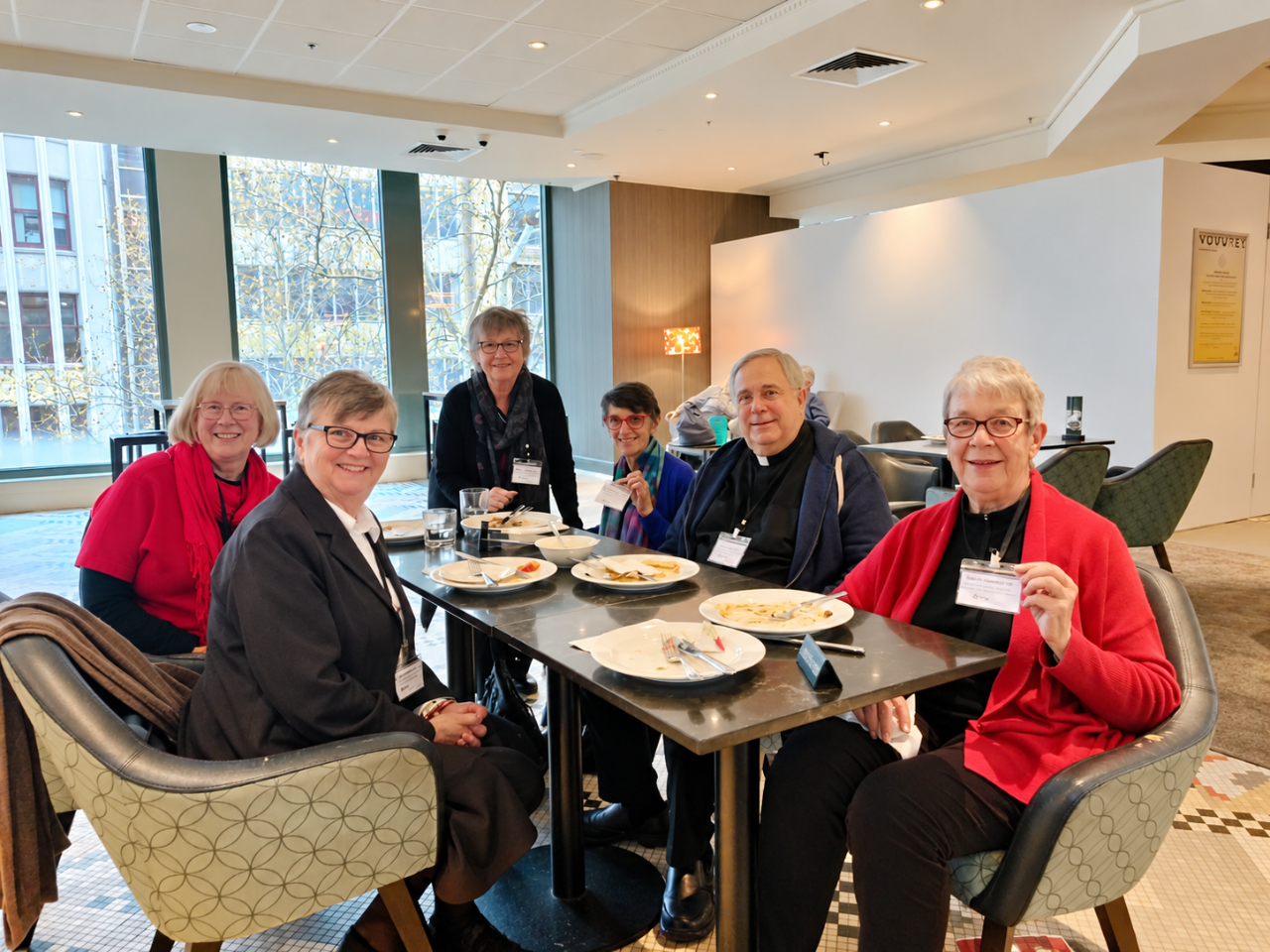
The meetings in Melbourne enabled the Dicastery to gain a closer understanding of the Australian experience and the participants to better understand the human dimension of its work. The exchange took place in a climate of openness and trust, with the opportunity to share experiences, concerns and hopes candidly.
The perspective is to continue strengthening this relationship through communication, mutual trust and collaboration, at the service of institutes and their mission in the Church.