
Deep relationships, a desire for unity, collaboration between consecrated men and women, dialogue with other religions. The meetings reveal a multifaceted presence, rooted in the local Church and open to the international community, and point to a need for listening, formation and accompaniment.
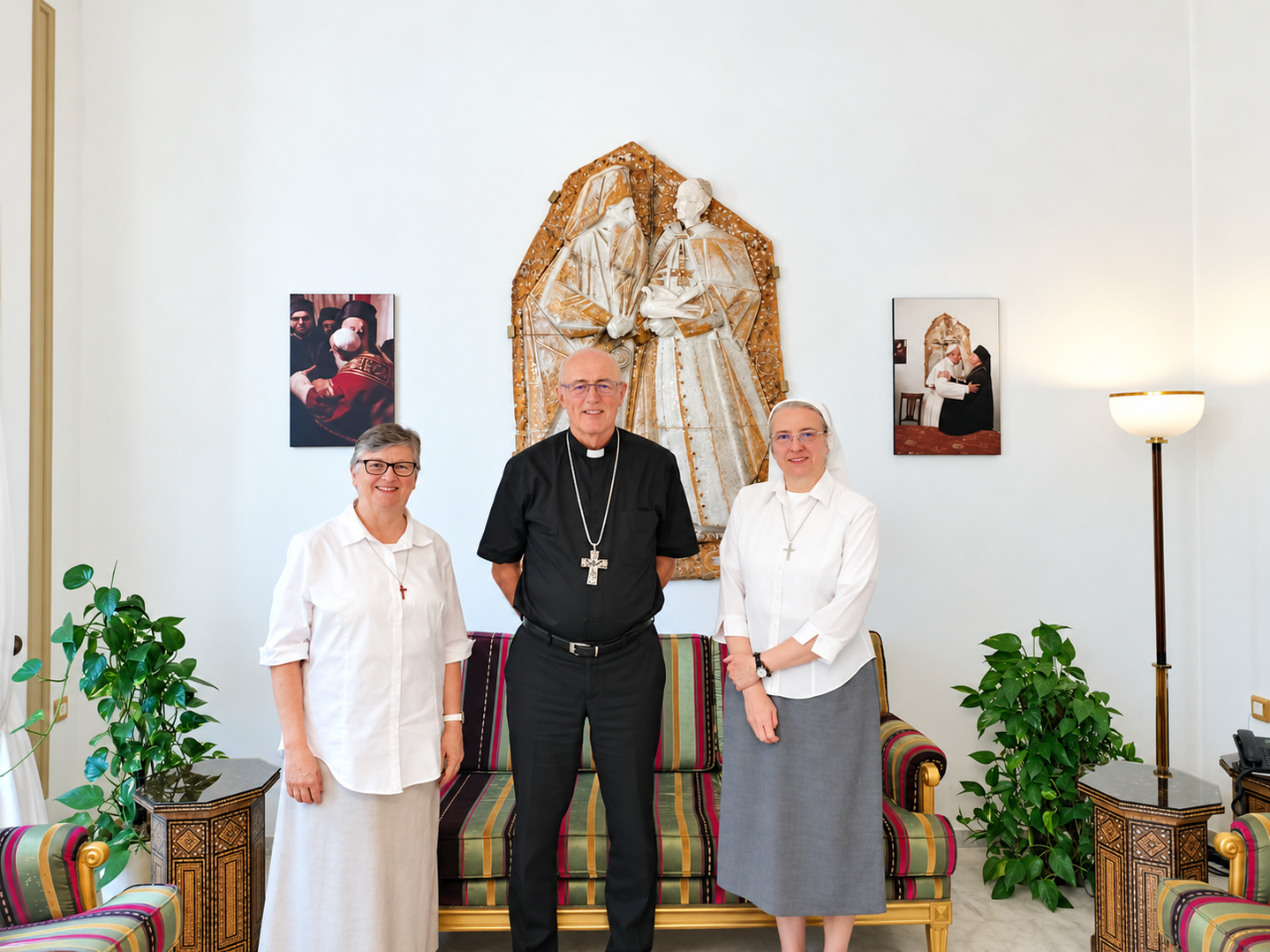
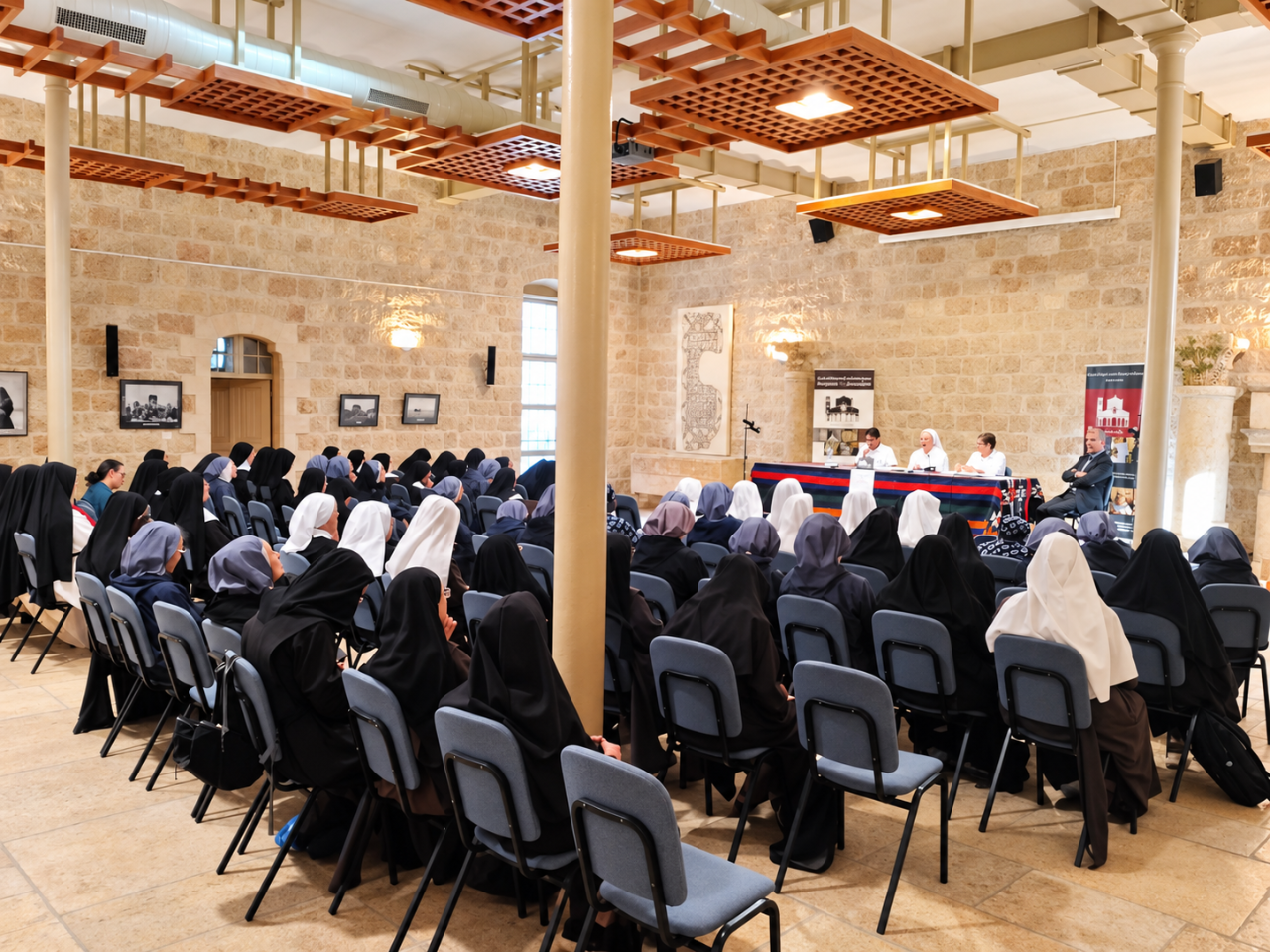
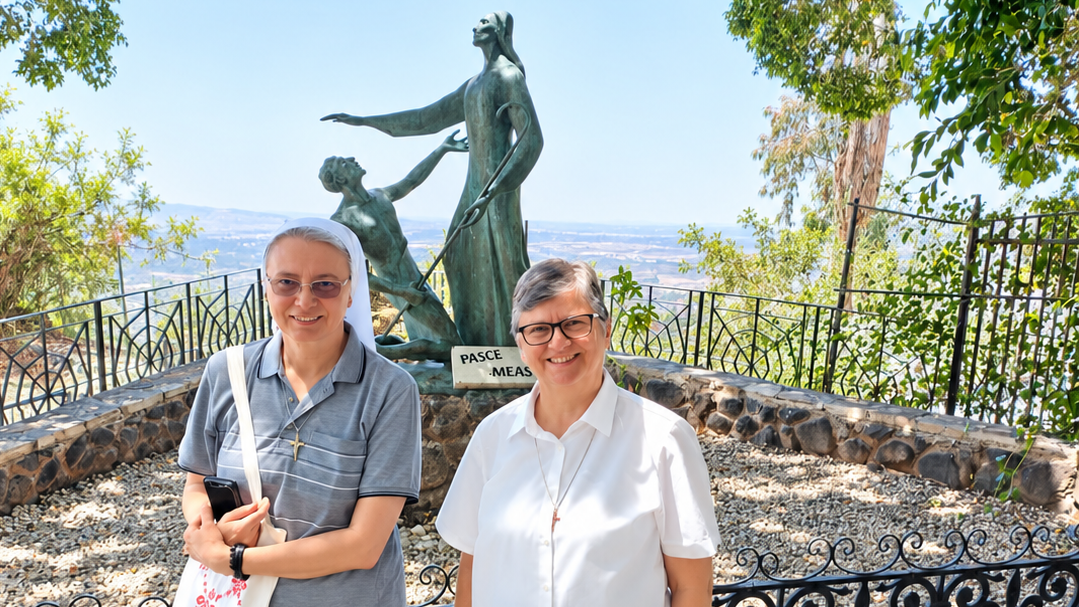
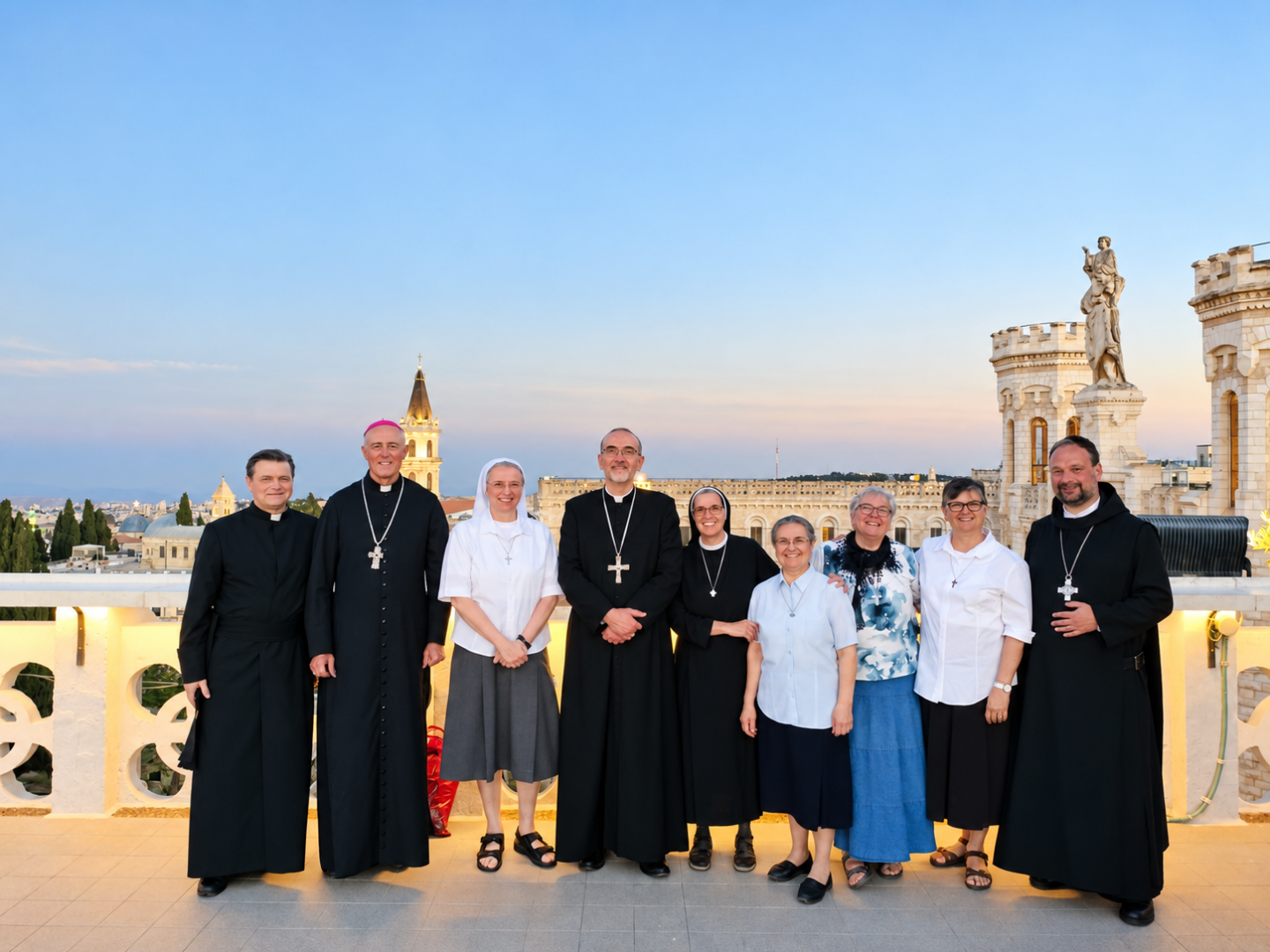
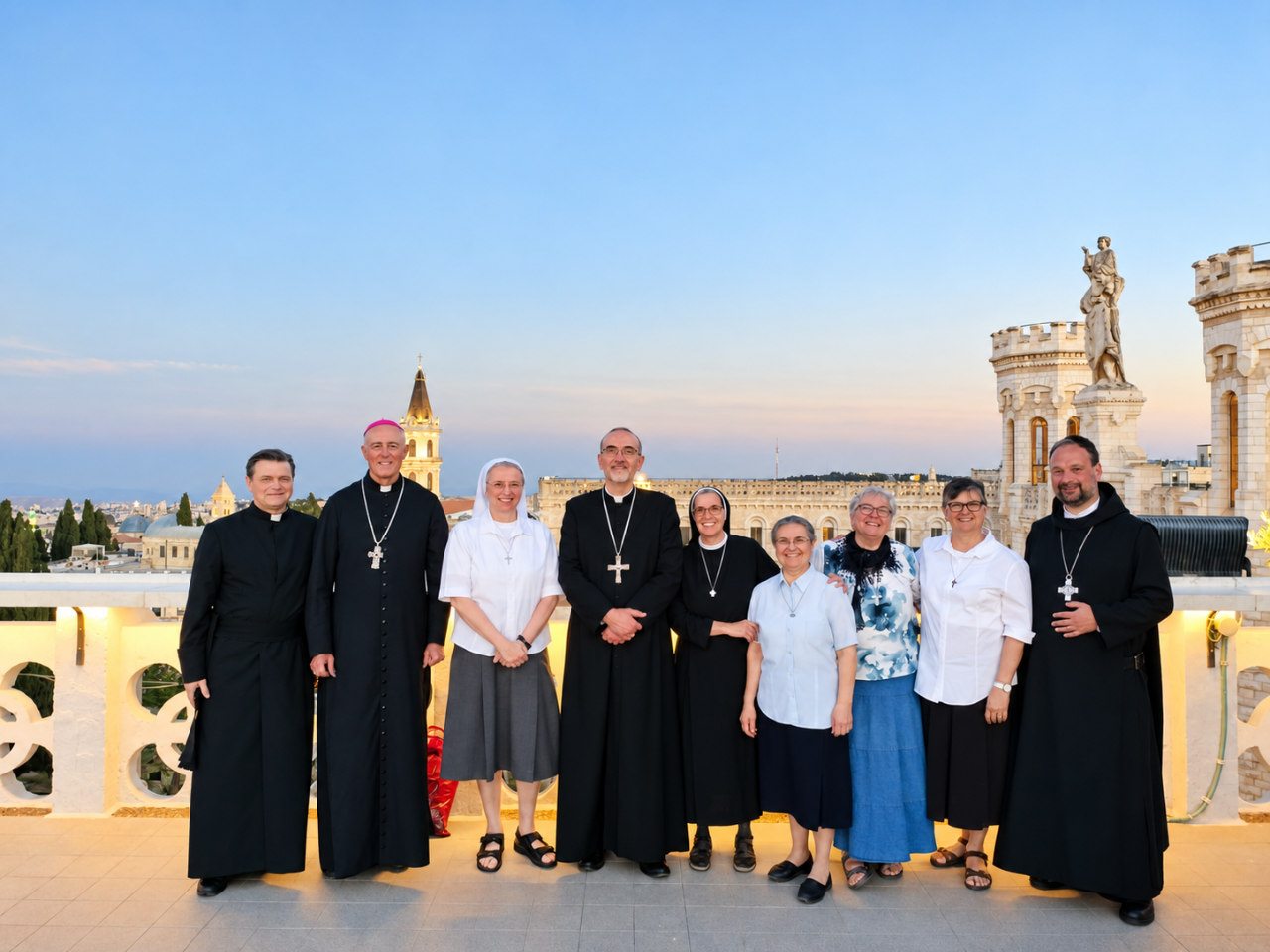
From 1 to 8 June 2026, the Prefect and the Secretary of our Dicastery visited Jerusalem, Bethlehem, Nazareth and other parts of Galilee. They met Cardinal Pierbattista Pizzaballa, Latin Patriarch of Jerusalem; Archbishop Giorgio Lingua, Apostolic Nuncio; the Assembly of Catholic Ordinaries of the Holy Land (AOCTS); the Union of Religious Superiors of Women in the Holy Land (USRTS); the Episcopal Committee of Religious (CERTS); contemplative communities; and numerous consecrated men and women from the different territories.
The visit was first and foremost an opportunity to listen, to get to know one another and to engage in dialogue. Consecrated men and women showed a strong and sincere interest in meeting the Dicastery and shared their work, joys, concerns, hopes and the suffering connected with the mission they carry out. For the Dicastery, direct contact with people and concrete situations means gaining a better understanding of what lies behind the requests and communications received by its offices in Rome, and a closer knowledge of the realities in which they arise.
Deep relationships, unity, collaboration
A desire for deep relationships and unity emerges particularly clearly from what consecrated men and women shared. Because the communities are relatively small, the need to strengthen relationships among consecrated people is felt all the more keenly, as is the need to see cultural differences as opportunities for mutual enrichment and to bridge the generational gap.
Consecrated life is present in different ways. Some primarily serve local needs; others work in settings that serve the international community, such as study centres and pilgrim houses. Their mission is marked by care for the most vulnerable, staying close, with love, to people wounded by violence, accompanying young people in their education, intercongregational collaboration, attention to local languages and cultures, links with Catholic migrant communities, and service to consecrated people on sabbatical.
Understanding life in a “holy and wounded land”
For Sr Simona Brambilla, the purpose of the visit is to gain a deeper understanding of what consecrated men and women are experiencing in a country marked by hardship and division. In speaking with them, the Prefect also hears their desire to remain present and stresses the importance of paying close attention to the qualities of those who are sent: human and spiritual maturity, flexibility, a capacity for dialogue, a willingness to learn from the realities they encounter, and readiness to follow paths of reconciliation and forgiveness.
Drawing on Cardinal Pierbattista Pizzaballa’s Letter to the Diocese of 25 April 2026, Sr Simona considers this presence in the light of a deeper question in her reflection for consecrated men and women: how can we live in this blessed land, wounded by conflict, without yielding to the logic of violence? How can we “enter the struggle without letting violence enlist us”, while remaining anchored in the “unarmed and gentle strength of Love”? Forgiveness becomes “the remedy that brings healing to the world”, reaching “the roots of wounded life”.
Mending the nets
Another image evoked by Sr Simona is that of the net. A net depends on both spaces and connections. If its threads break, or its mesh tightens until the openings close, it can no longer fulfil its purpose.
“The net breaks. And it has to be mended.” Repairing, darning and stitching it back together require care and “touch”: recognising the threads that still hold and joining new mesh to them. This task challenges those who exercise authority in a particular way, but it concerns everyone.
The image speaks directly to what emerged from the meetings: the need to intensify collaboration between congregations, deepen relationships, recognise the complexity of different forms of presence, and become ever more places of “care”. The Union of Religious Superiors of Women in the Holy Land (USRTS) and the Episcopal Committee of Religious (CERTS) are also called to continue working together, clarifying roles, needs and objectives.
Building bridges
Sr Tiziana Merletti sees the high level of participation in the meetings as a sign of the desire to be together. She was also struck by the idea of “building life and meaning today on the stones of the past and of history”.
The visit also gave her the opportunity to get to know the Hebrew-speaking Catholic community, made up largely of children of foreign workers who were born in the country and are accompanied by the Church. This is another expression of the complexity and plurality encountered during the visit.
In presenting the work of the Dicastery, Sr Tiziana recalls three verbs: to promote, encourage and regulate the practice of the evangelical counsels in the various forms of consecrated life. Within its areas of competence, the Dicastery assists the Roman Pontiff in his mission, in close communion with him, for the unity and good of the Church and the world.
Sr Tiziana hopes that the visit has helped to strengthen ties and build stronger bridges with the Dicastery, fostering better communication and interaction. The communities were able to share more fully what they are living through; the Dicastery was able to meet the people and encounter those realities in loco.
The Dicastery is grateful to all those whom Sr Simona and Sr Tiziana had the joy of meeting, for their welcome and for all they shared during the visit.
Watch the Christian Media Center report
The images and interviews recorded in the Holy Land capture some moments from the visit of the Prefect, Sr Simona Brambilla, and the Secretary, Sr Tiziana Merletti.
Photo credits: © Christian Media Center