
During the Season of Creation, the Dicastery invites consecrated women and men to examine their communities, relationships and missions in the light of Leo XIV’s message. The travelling exhibition “Pilgrims of Peace on the Path of Hope” offers a resource for formation and awareness-raising
If peace begins in the heart, what do our communities, relationships and missions reveal about the way we care for creation?
From 1 September, the World Day of Prayer for the Care of Creation, to 4 October, the feast of St Francis of Assisi, this question once again comes to the fore. In truth, however, it should accompany us, as consecrated women and men, every day. Caring for the environment means taking on a shared responsibility and building peace.
But it is also a gesture of hope: a way of contemplating God’s creation and an act of responsibility towards present and future generations. Caring for the environment as a precious gift means rediscovering harmony between humanity and the planet.
Looking at the world with hope enables us to protect its resources from exploitation, tackle climate change and sow the seeds of a real and lasting peace. For us, as consecrated women and men, it is a pilgrimage lived out in our relationships, in acts of care, in prayer and contemplation. This is how we become pilgrims of hope on the path of peace.
The wound of creation and the wound of the heart
Leo XIV’s words in the Message for the 11th World Day of Prayer for the Care of Creation direct our attention to the root of this link between care for creation and peace.
Leo XIV’s words in the Message for the 11th World Day of Prayer for the Care of Creation highlight the link between care for creation and peace. “Today, we are witnessing many crises and much human suffering,” the Pope writes, as “the destruction of the harmonious balance of creation” accelerates. These realities “are not separate from one another”, but form “one plea for healing and peace rising from a wounded world”.
War does not stop at the battlefield. It claims lives, tears families apart and forces millions of people to leave their homes. It leaves behind social and ecological destruction that lasts for generations, devastates ecosystems, pollutes air and water, and undermines food security. It inflicts wounds, Leo XIV says, that damage “the whole fabric of life”.
These forms of disharmony do not stem only from imperfect systems and structures. “The human heart is where the deepest struggles take place,” the Pope writes. It is there that love and indifference, truth and illusion, justice and injustice confront one another. When the heart goes astray, relationships suffer and structures reflect its disorder.
These words challenge our life and our mission. They ask us to look at the roots of our actions, relationships and community choices. Ecological conversion begins with personal and collective change: turning our desires back towards God, healing wounds and opening up new possibilities.
Where hearts are renewed, what has been used for destruction can be redirected towards life, care for the poor, feeding the hungry and safeguarding creation. The true instruments of peace, Leo XIV writes, spring “from hearts formed by the Gospel and upheld by the grace of God”.
An exhibition to discover and host
To bring this appeal into the formation of communities, the Dicastery is making available “Pilgrims of Peace on the Path of Hope”, a travelling exhibition created by the communications agency Mediacor.
Twenty-four panels, through images, words and testimonies, lead from the shadows of the present to the light of hope. The exhibition invites visitors to read the wounds of our time in the light of the Gospel and the witness of consecrated women and men. It follows three paths:
Sisters and brothers all: universal fraternity that breaks down walls, builds bridges and fosters a culture of encounter.
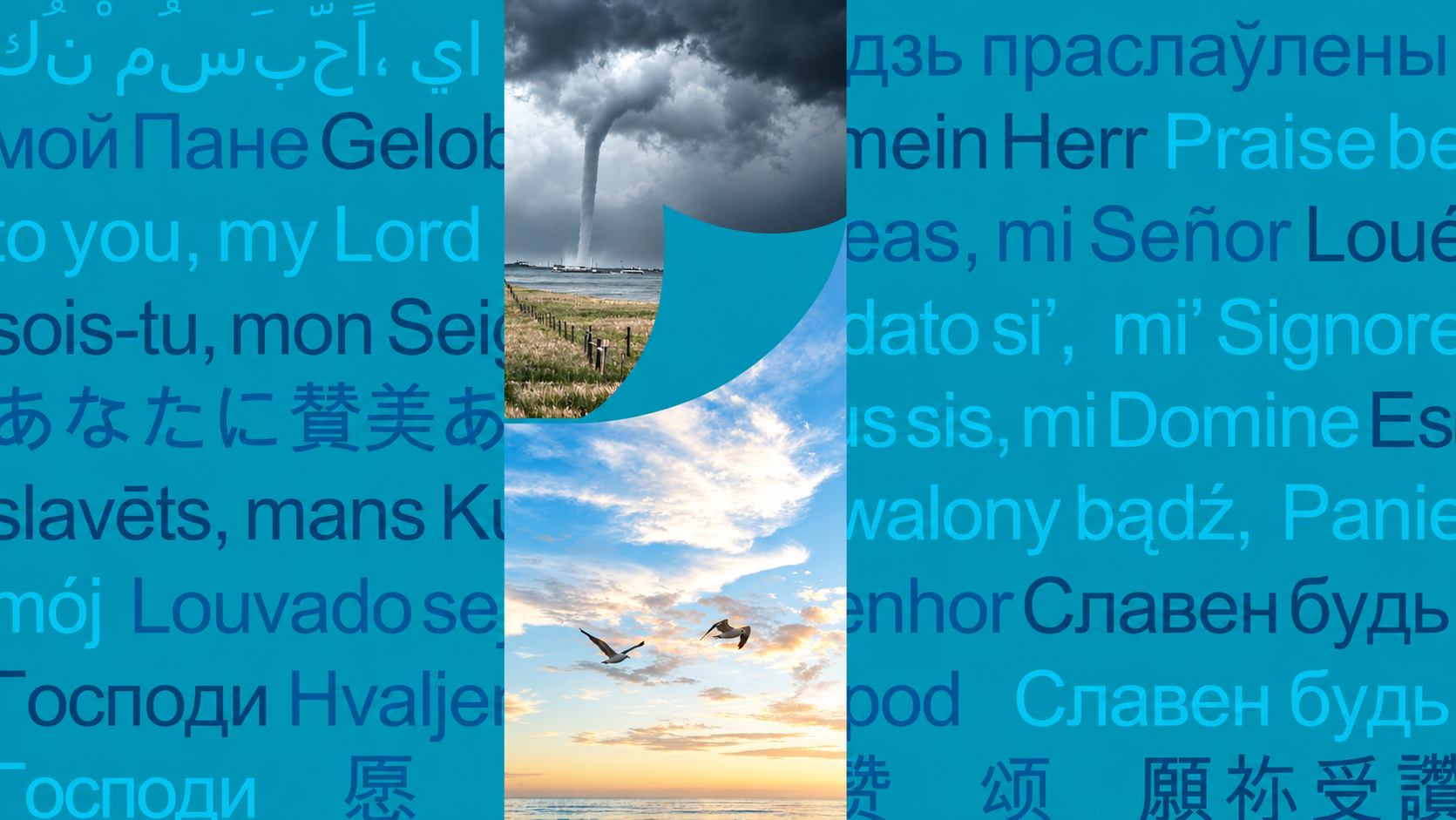
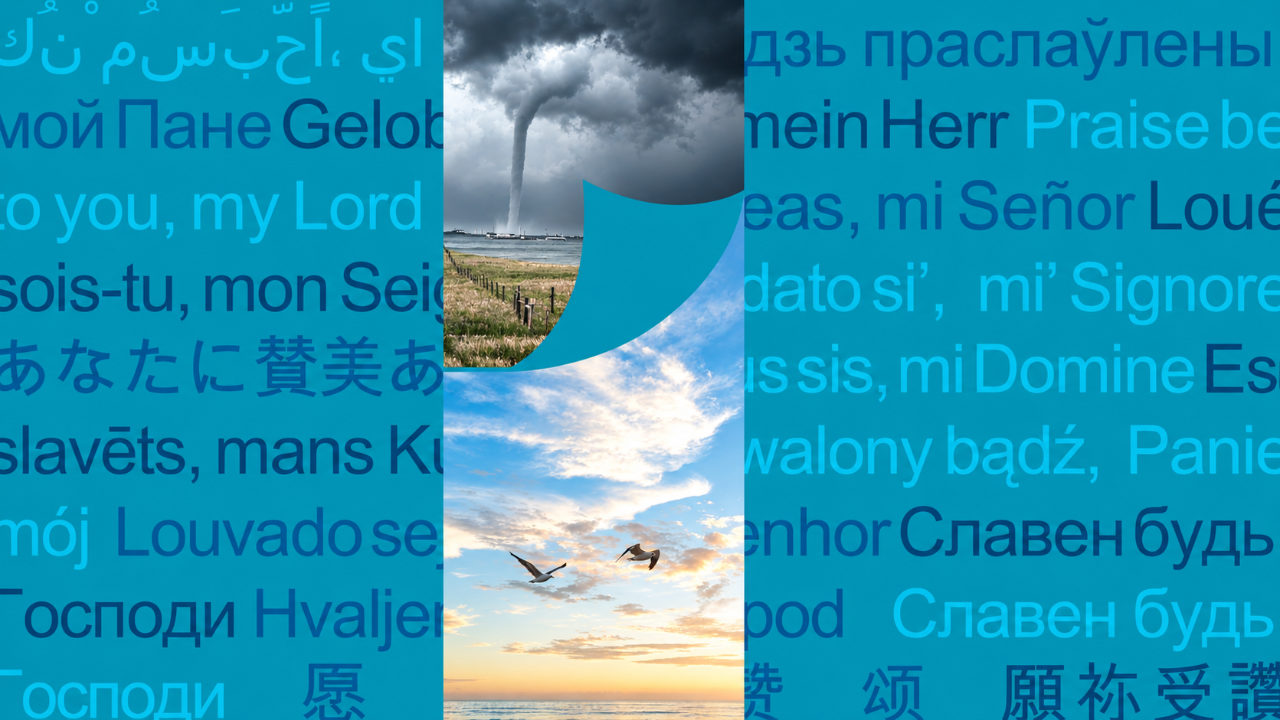
Laudato si’: care for and safeguarding of creation as a shared responsibility.
Where are you?: listening to the cry of the poor, social justice and closeness to marginalised people.
Already presented in Rome to thousands of consecrated women and men, the exhibition is now available to institutes of consecrated life, societies of apostolic life, religious communities, dioceses, parishes and other ecclesial bodies. It can be hosted as a resource for formation, evangelisation and raising awareness of fraternity, care for creation and social justice.
A playlist of three videos offers an introduction to the exhibition and its three paths. The Laudato si’ video presents the path devoted to care for creation.
Hosting the exhibition means offering communities a resource that brings together prayer and responsibility, contemplation and care, and helps them follow the path indicated by Leo XIV: “from the desert to the garden, from division to communion and from violence to peace”.
Information and bookings
E-mail: info@mediacor.it
Telephone: +39 348 761 9700