
The Dicastery in Tanzania: shared formation, new responsibilities, a presence on the peripheries and service to all
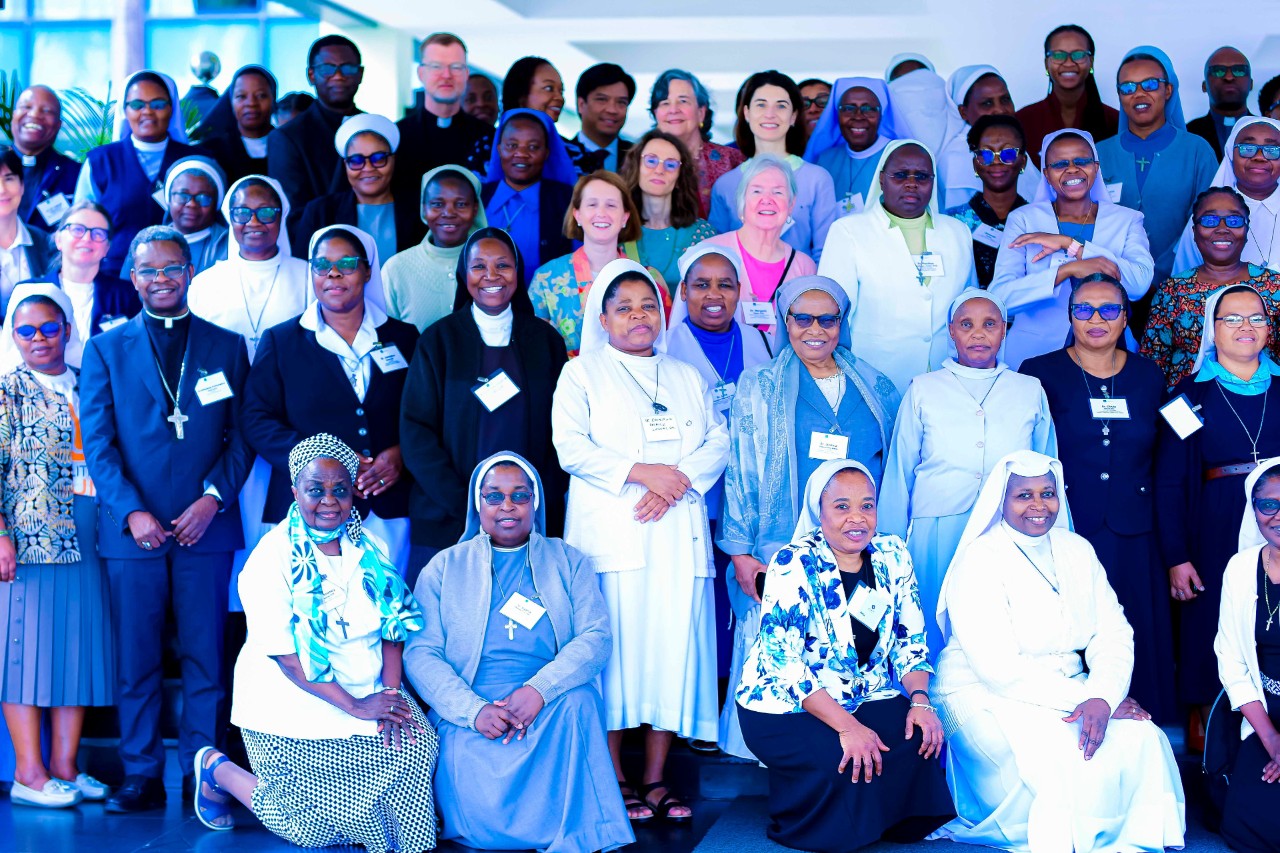
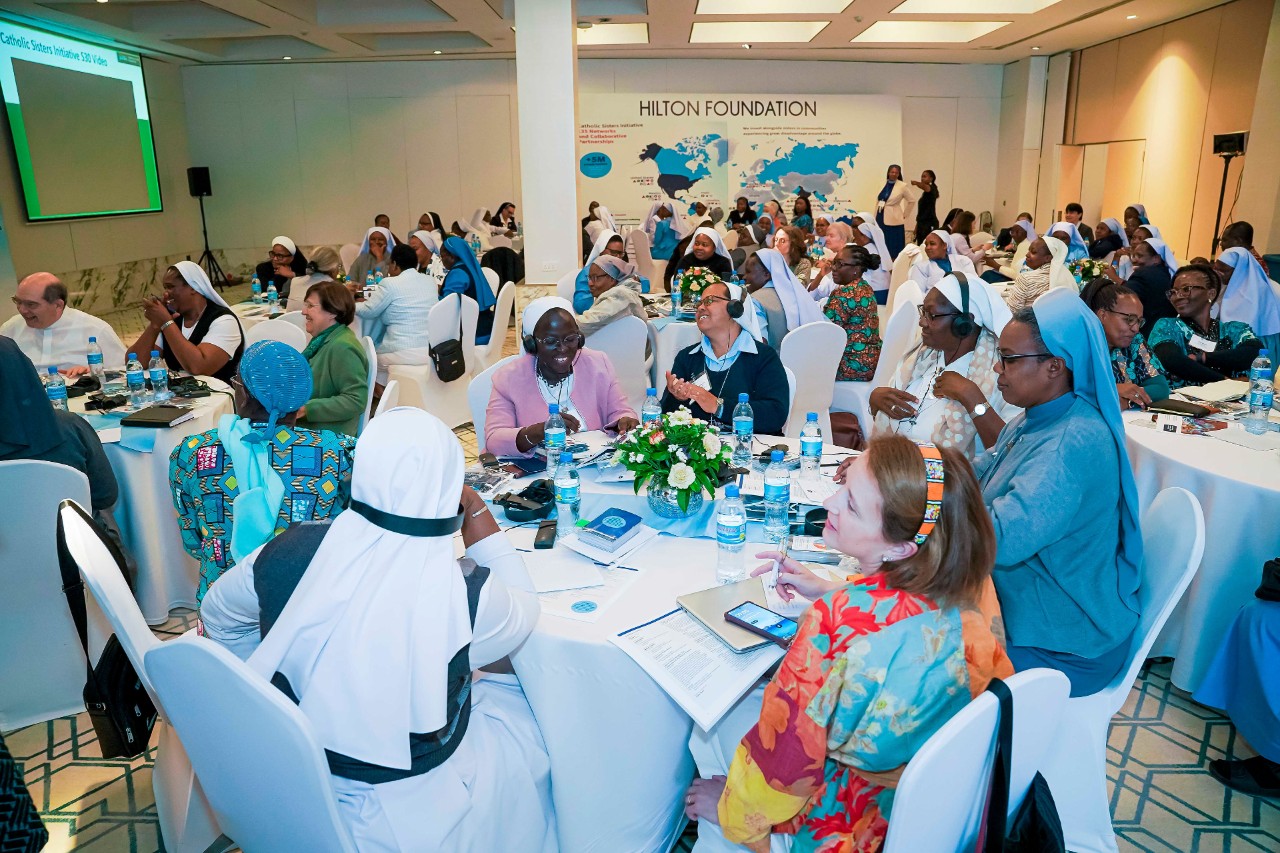
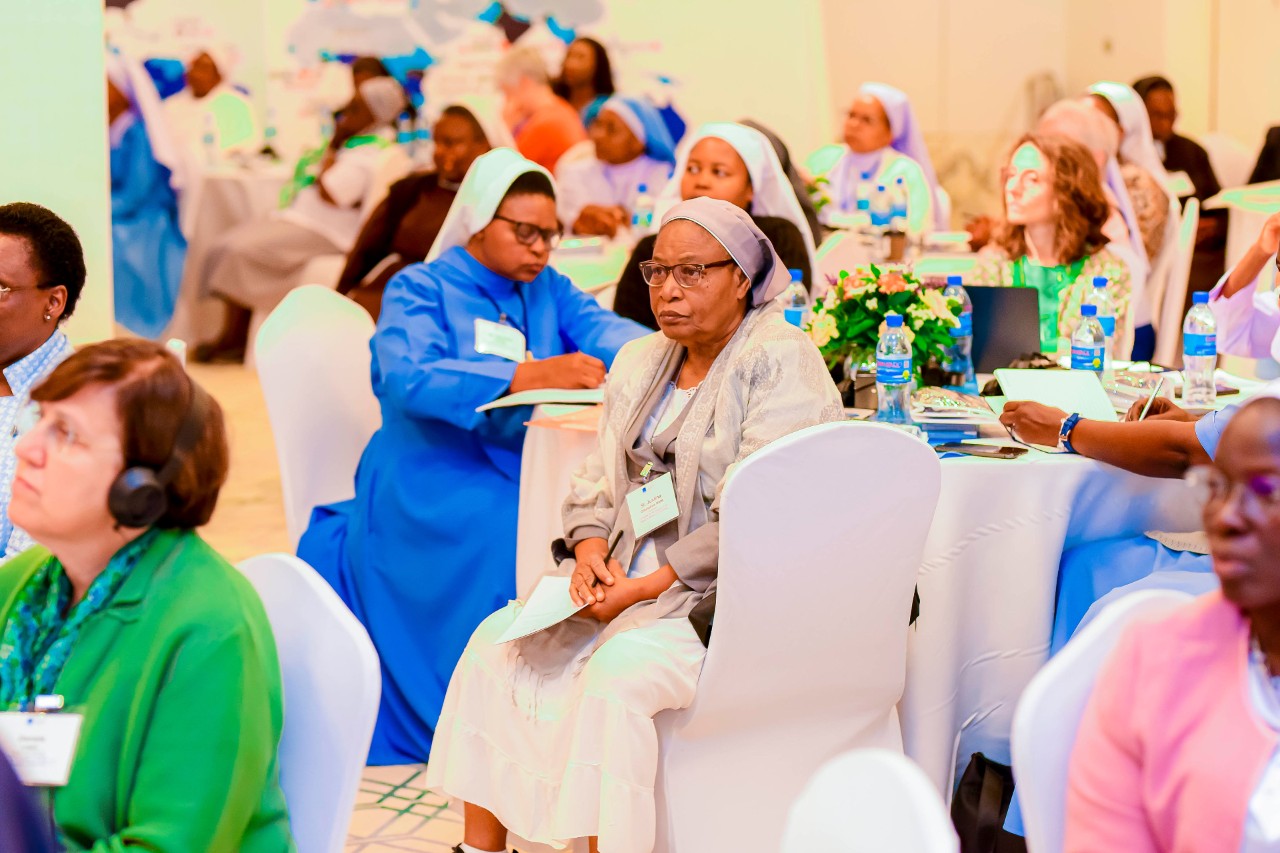
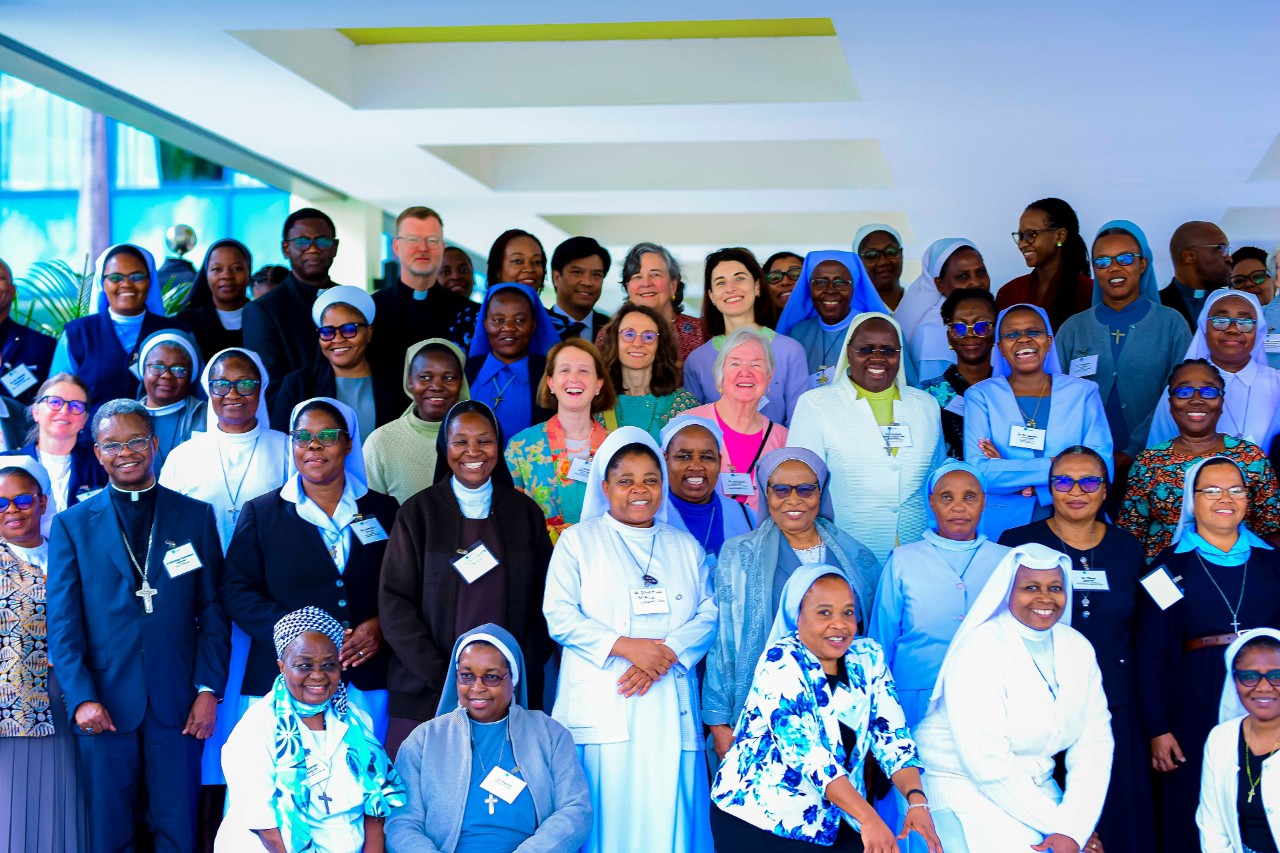
Consecrated women from different institutes and countries receiving formation together; young women religious preparing to assume new responsibilities; communities standing alongside women, young people and children on the peripheries; service offered to Christians and Muslims without distinction. This is the reality that the Dicastery came to know first hand during its visit to Tanzania, participating in the gathering of the Catholic Sisters Initiative, promoted by the Conrad N. Hilton Foundation, and visiting some of the initiatives supported by the Foundation in Africa.
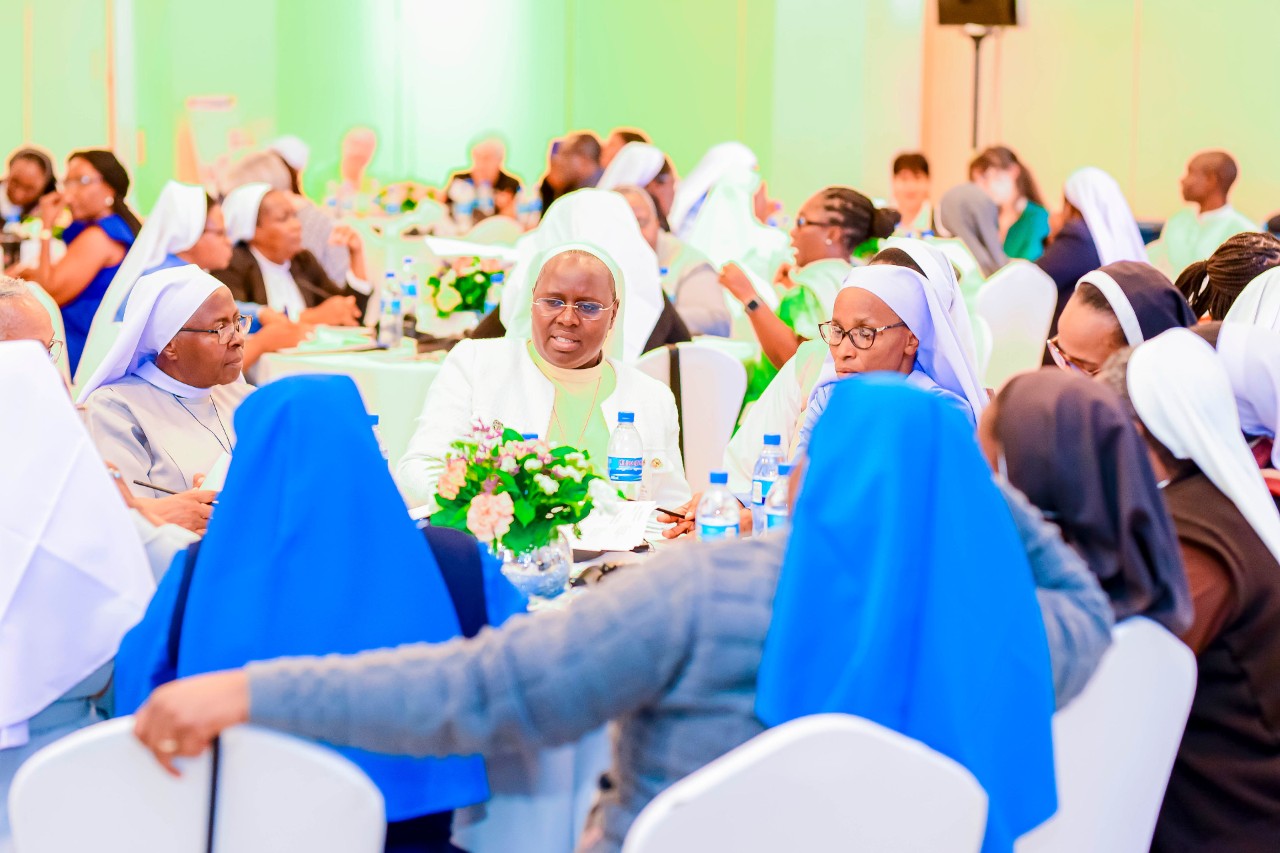
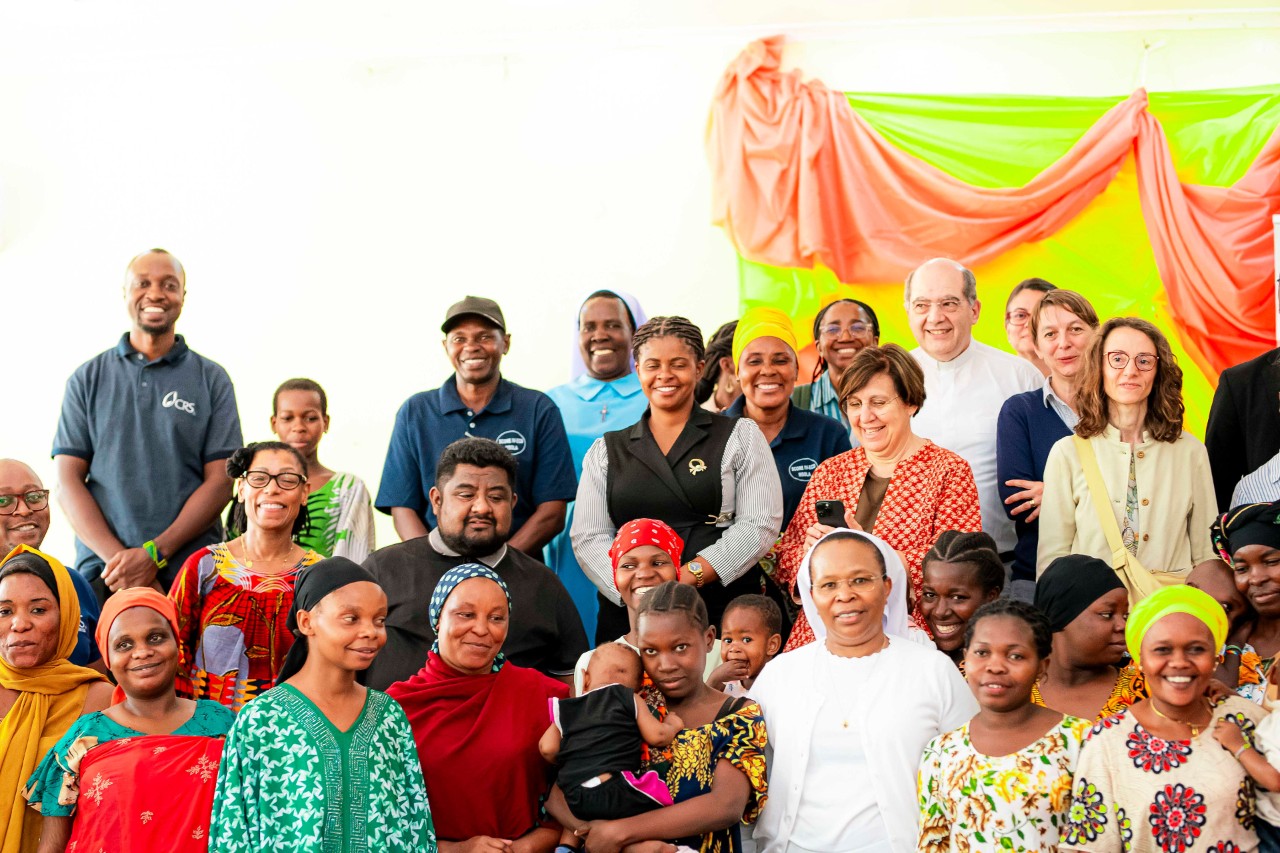
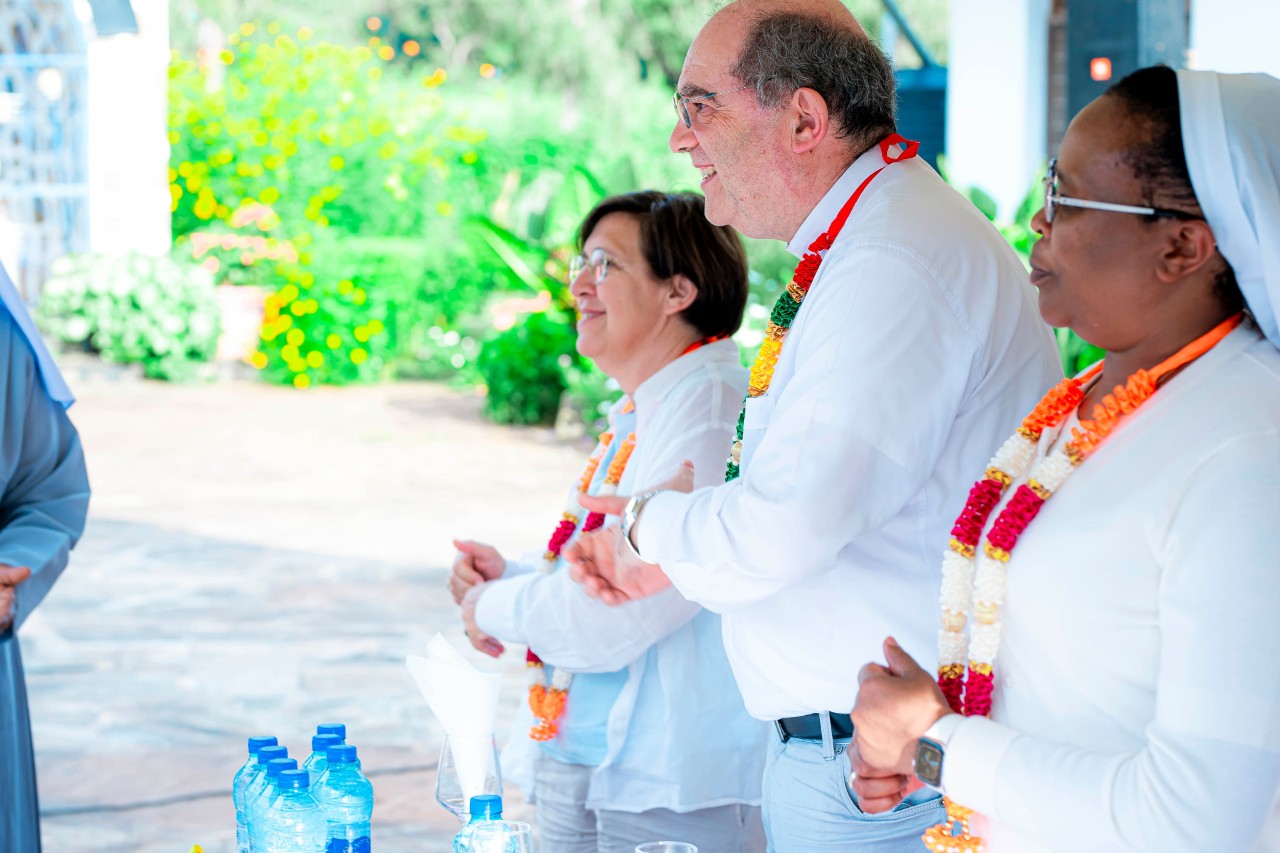
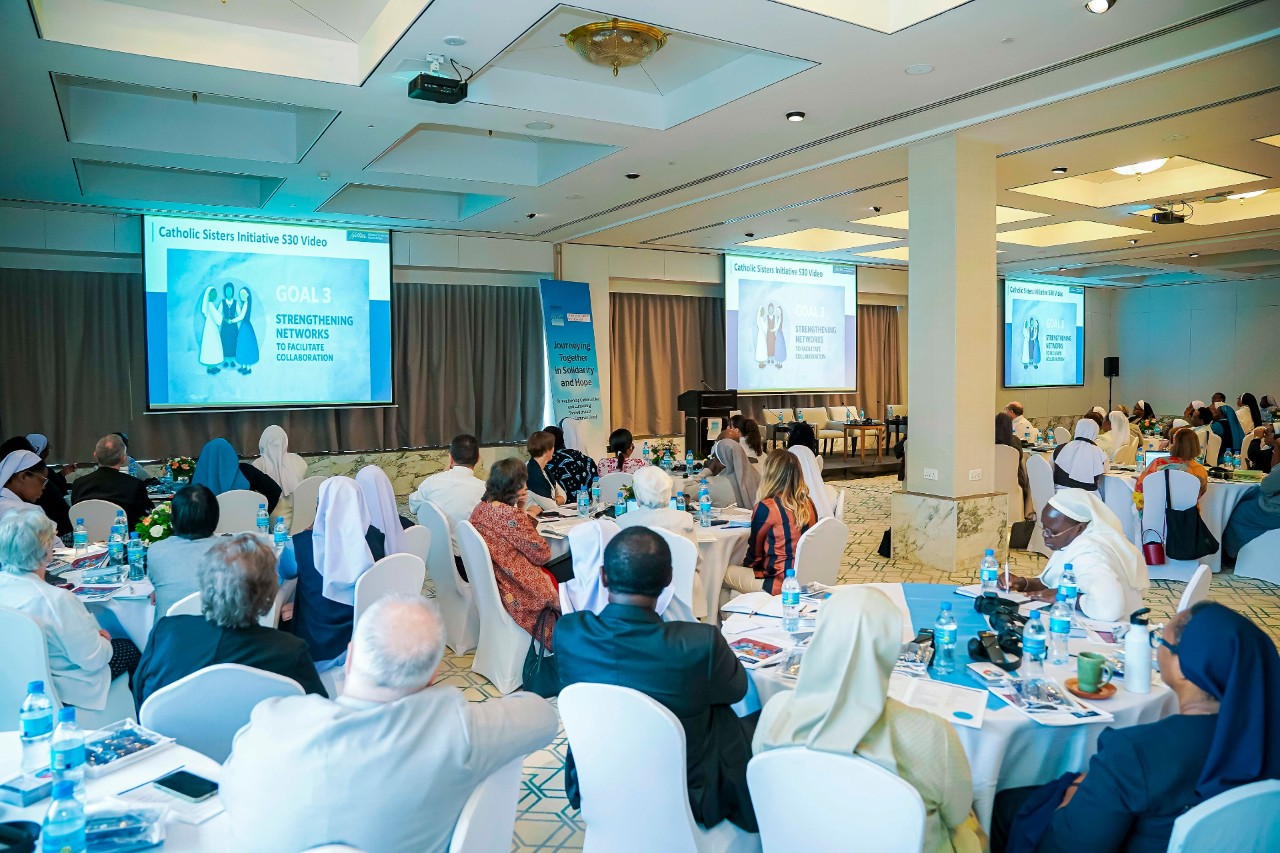
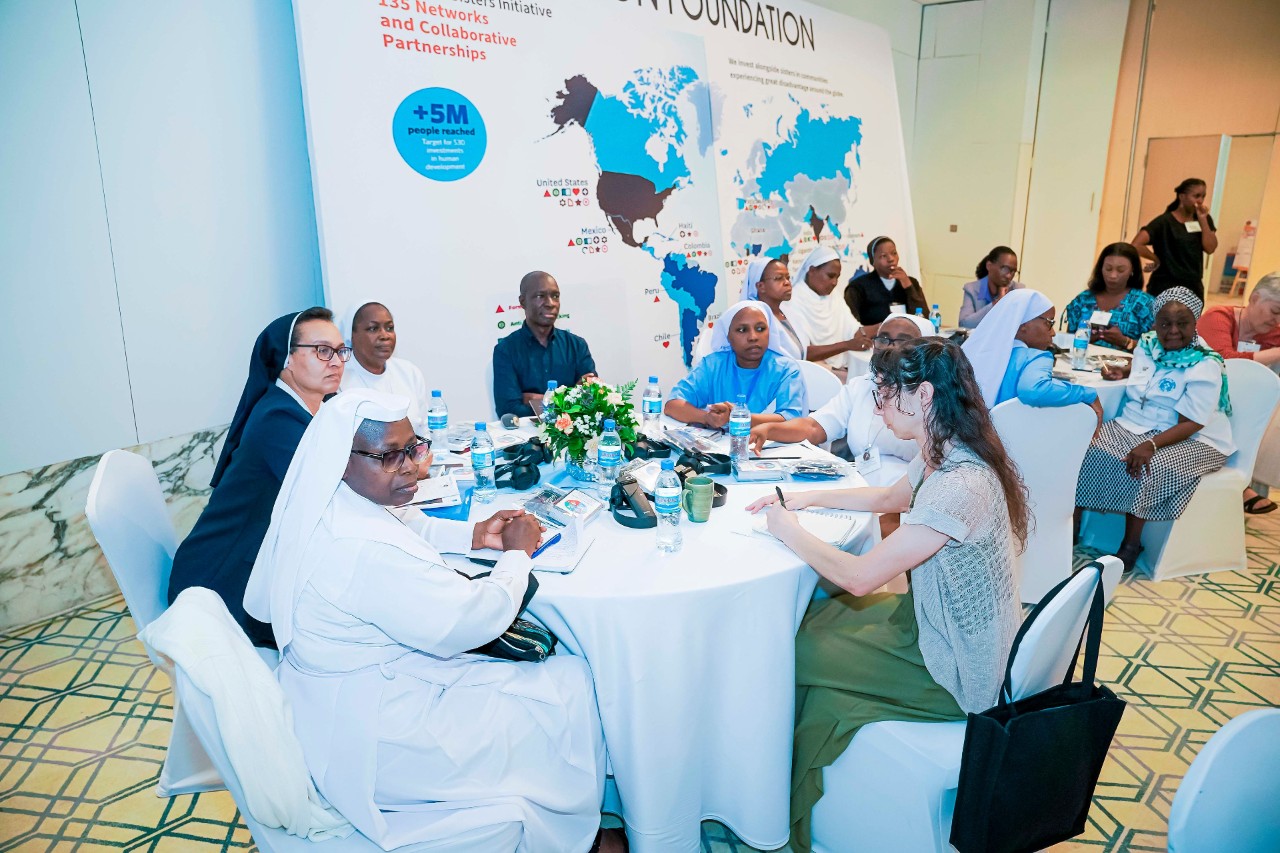
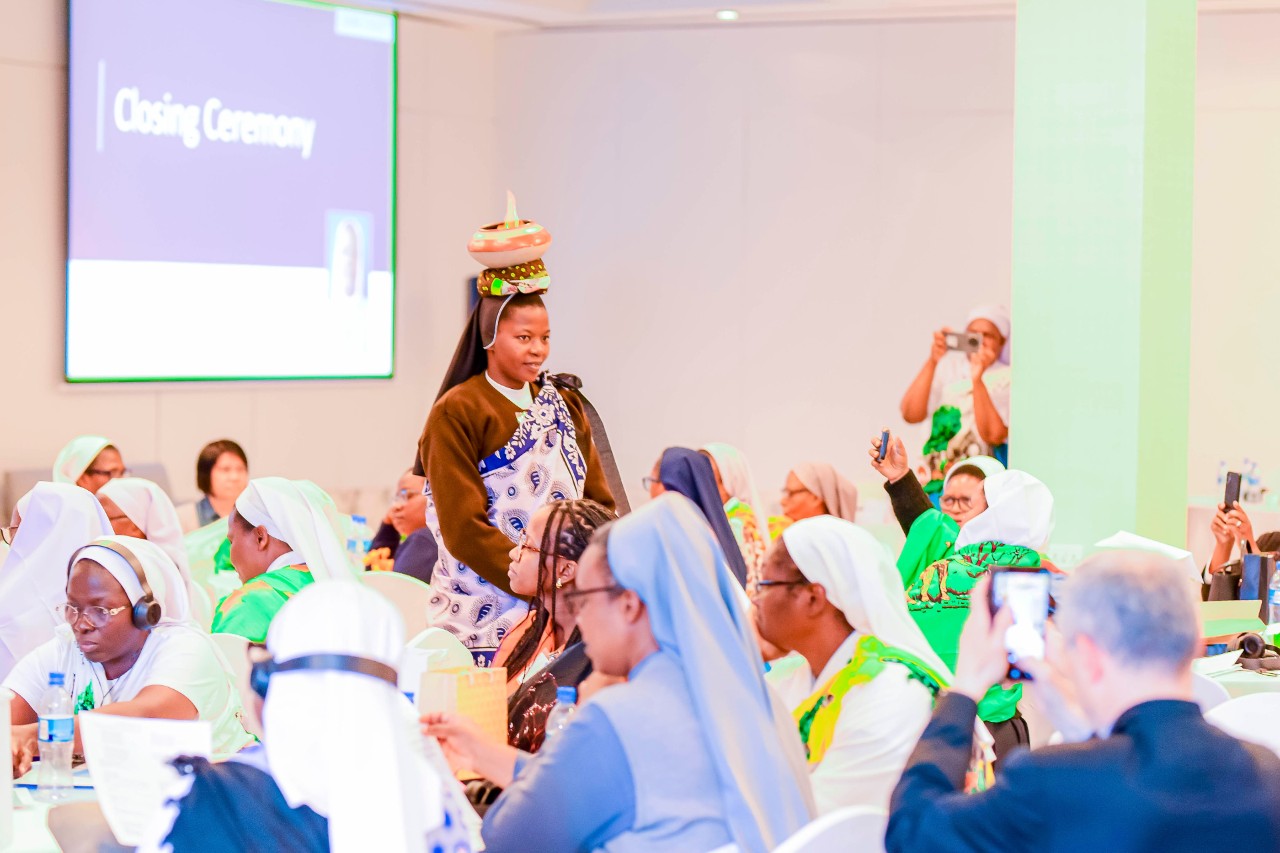
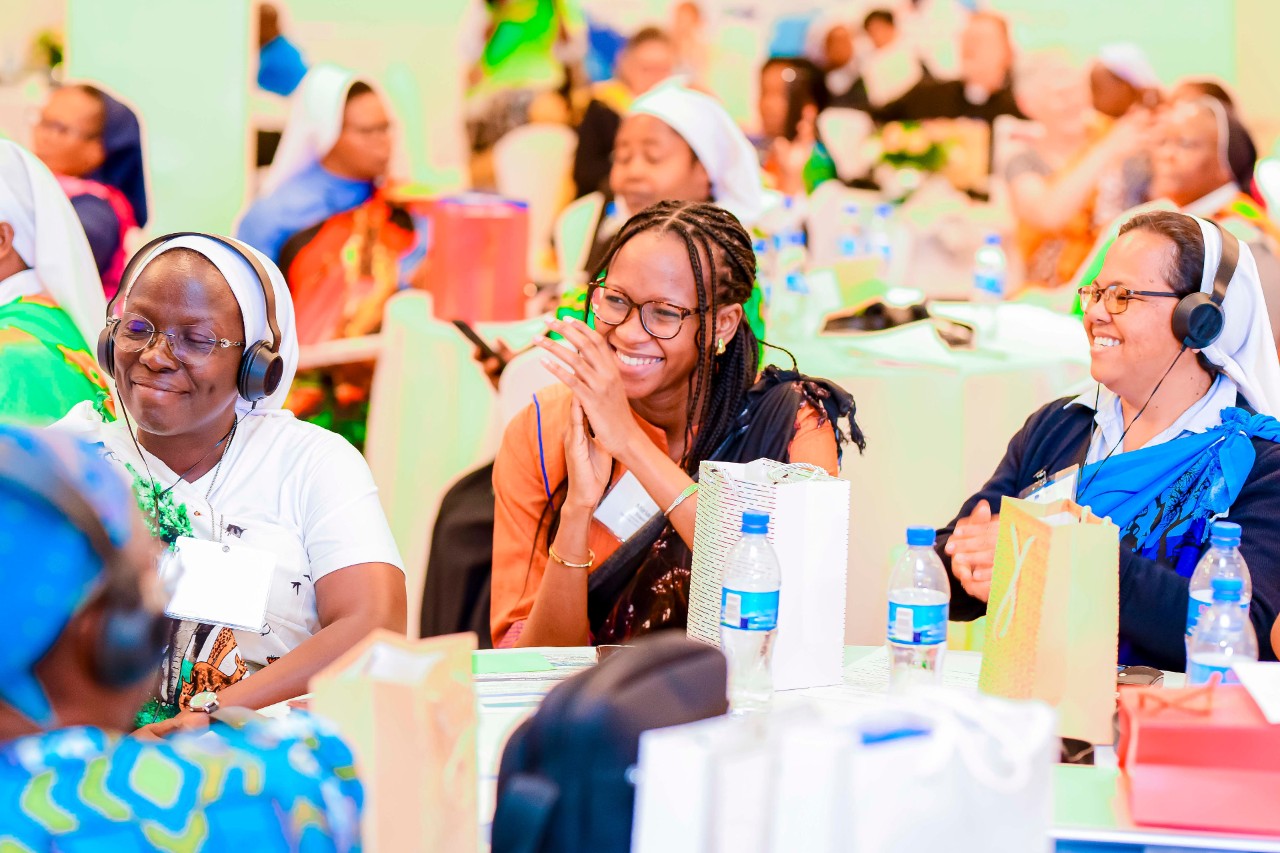
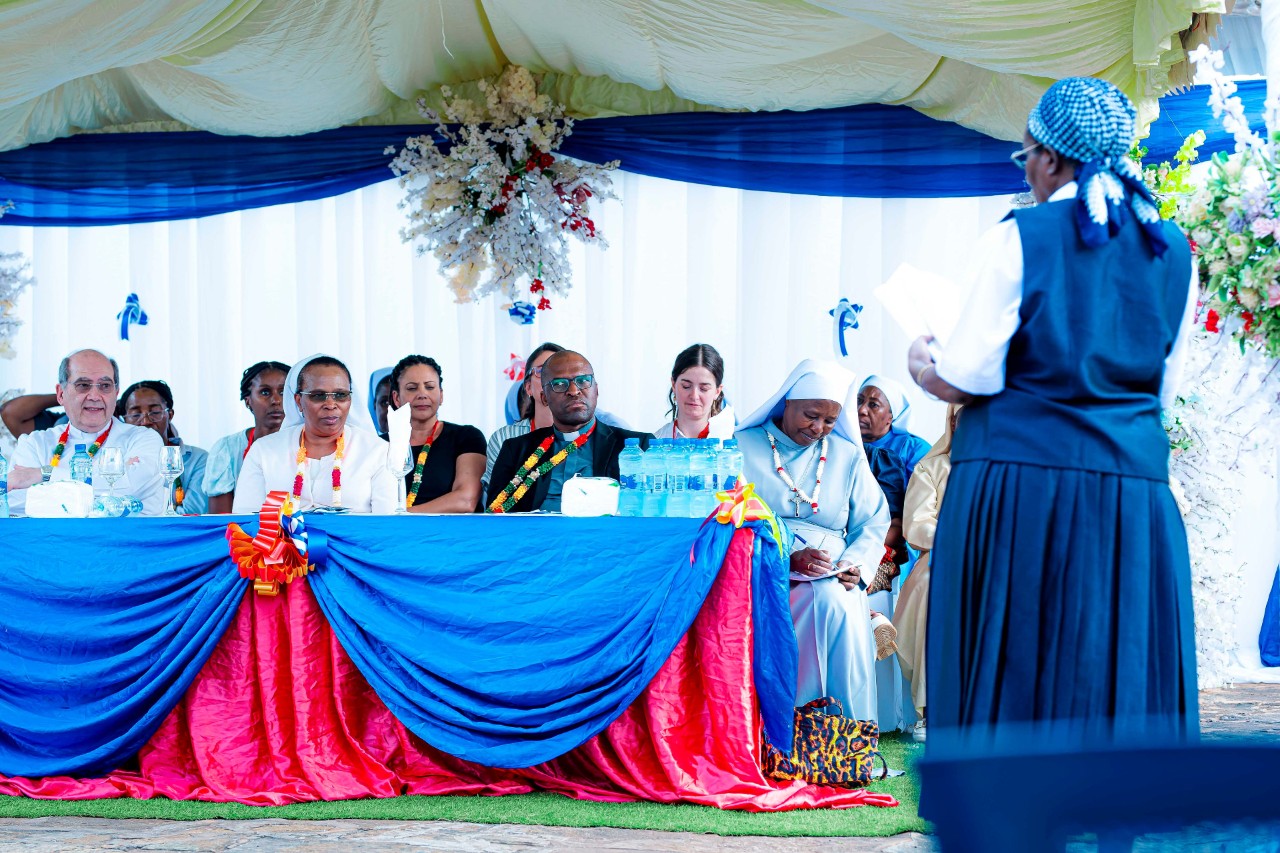
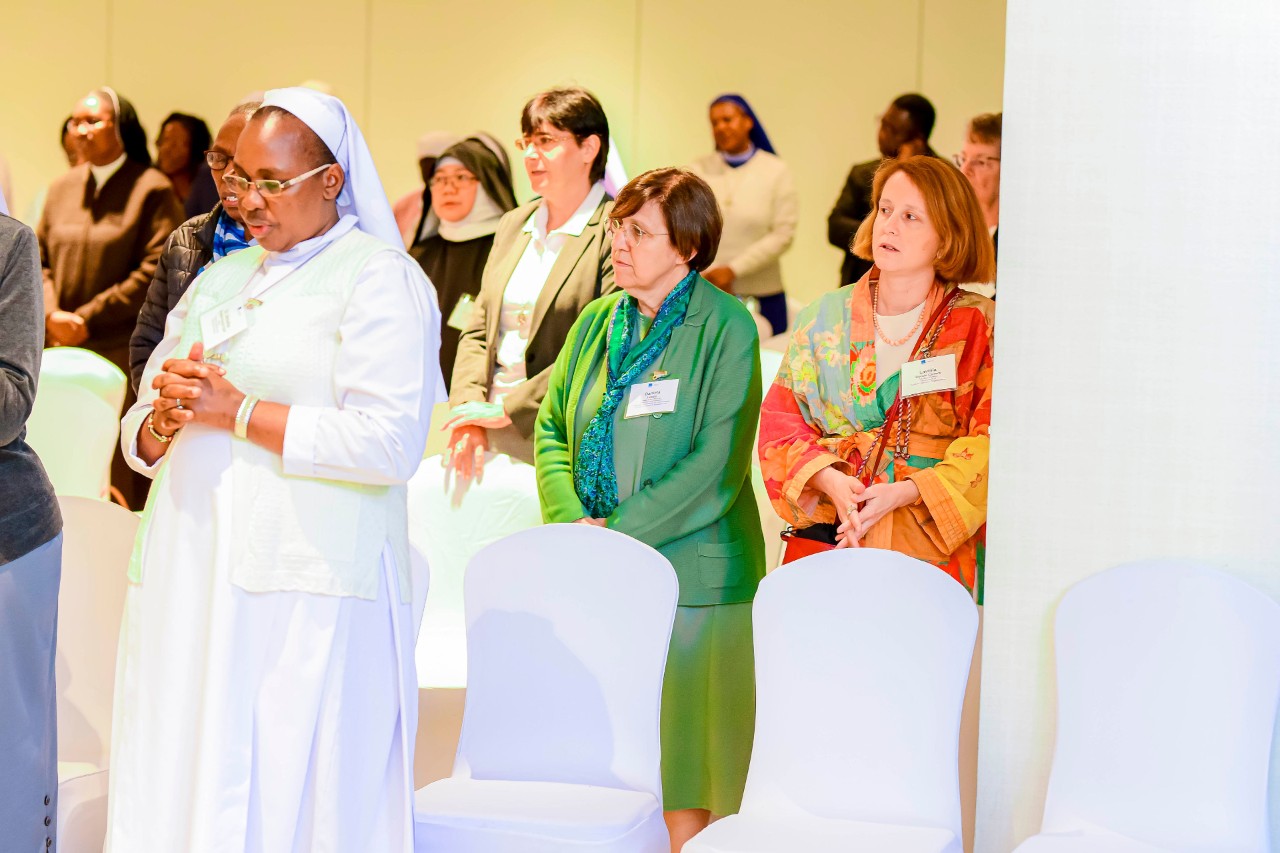
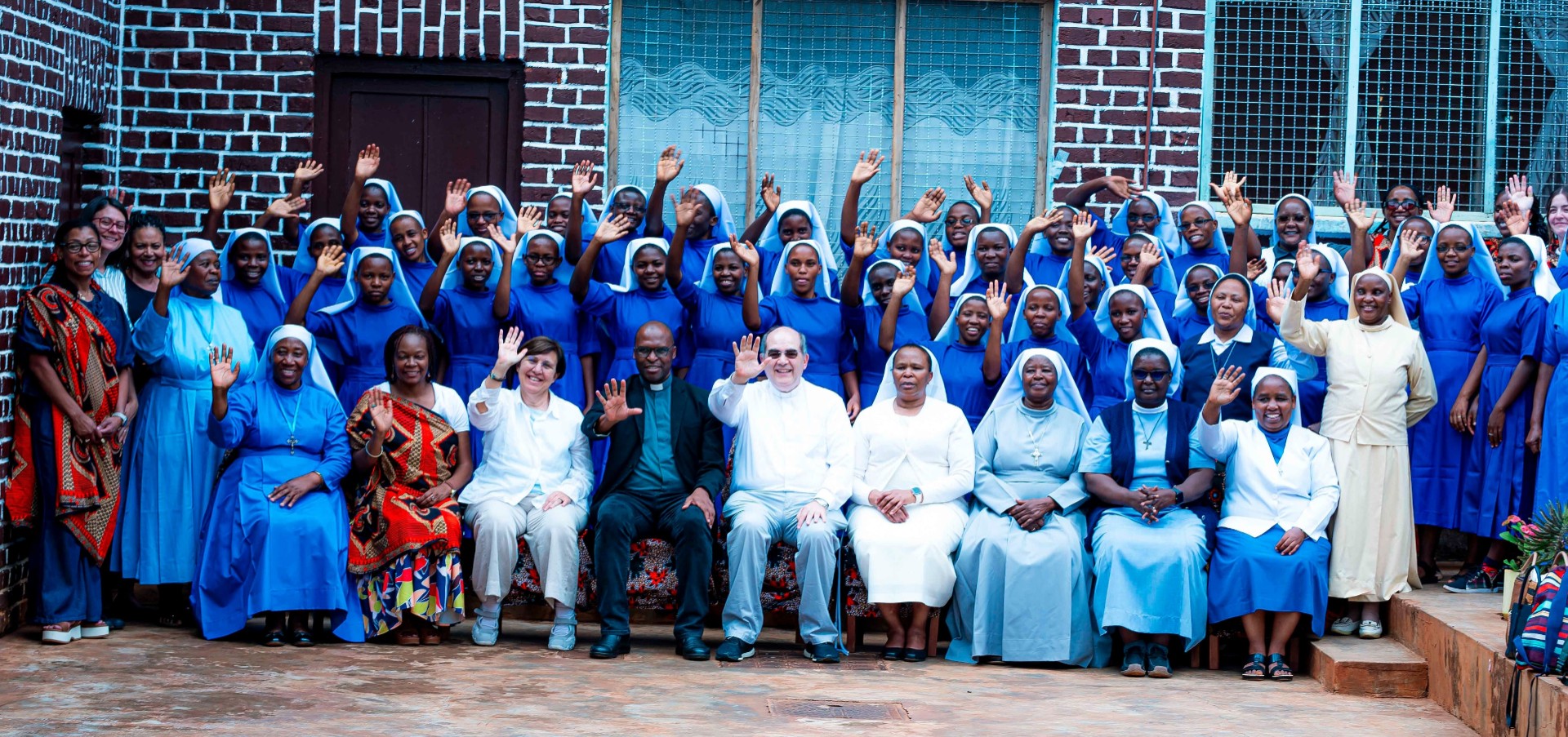
From 8 to 12 June 2026, the Dicastery, represented by Fr Aitor Jiménez Echave, C.M.F., Undersecretary, and Daniela Leggio, Head of the Office for Promotion and Formation, took part in days devoted to presenting programmes for the formation of women religious and initiatives of closeness to the most vulnerable, together with experiences of collaboration among congregations. The theme chosen for the gathering was: “Journeying Together in Solidarity and Hope: Strengthening Communities and Cultivating Shared Impact for the Common Good.”
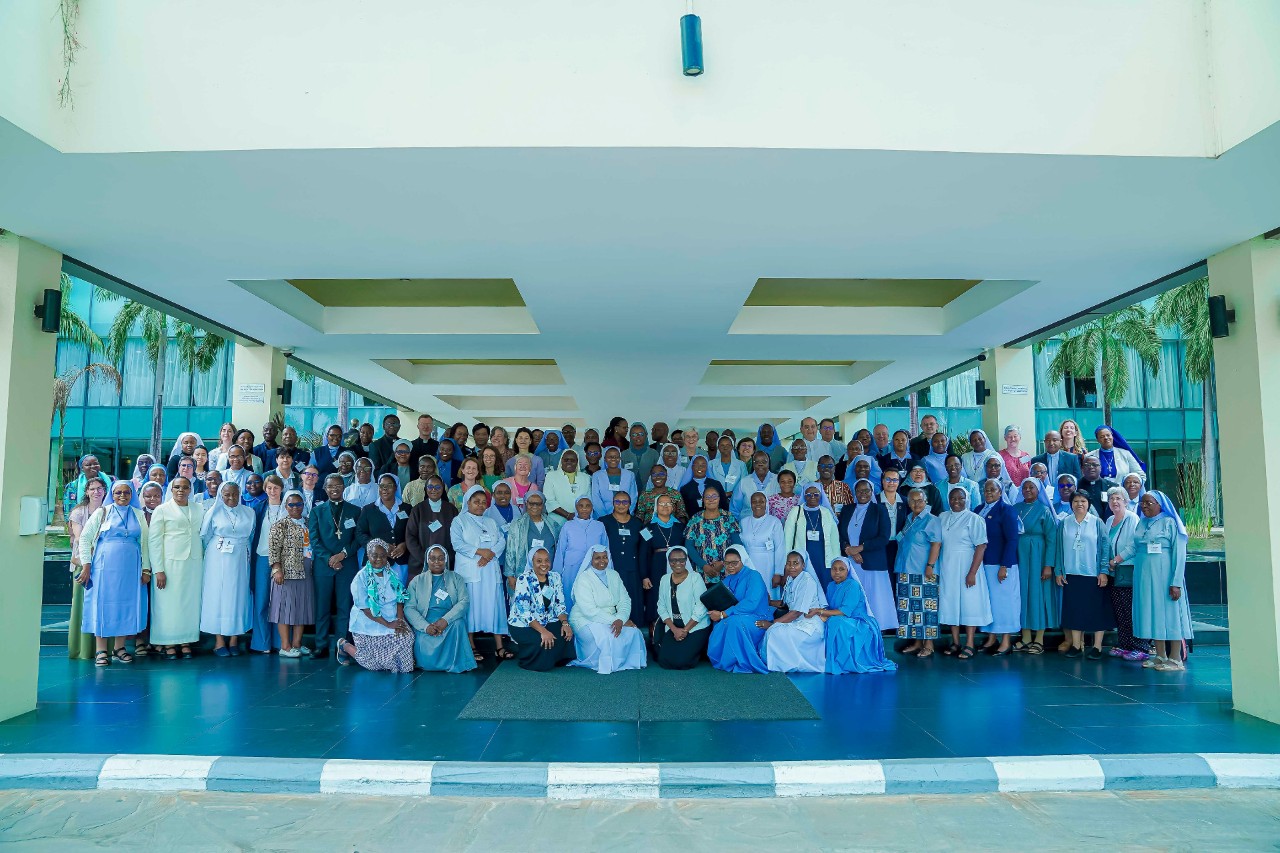
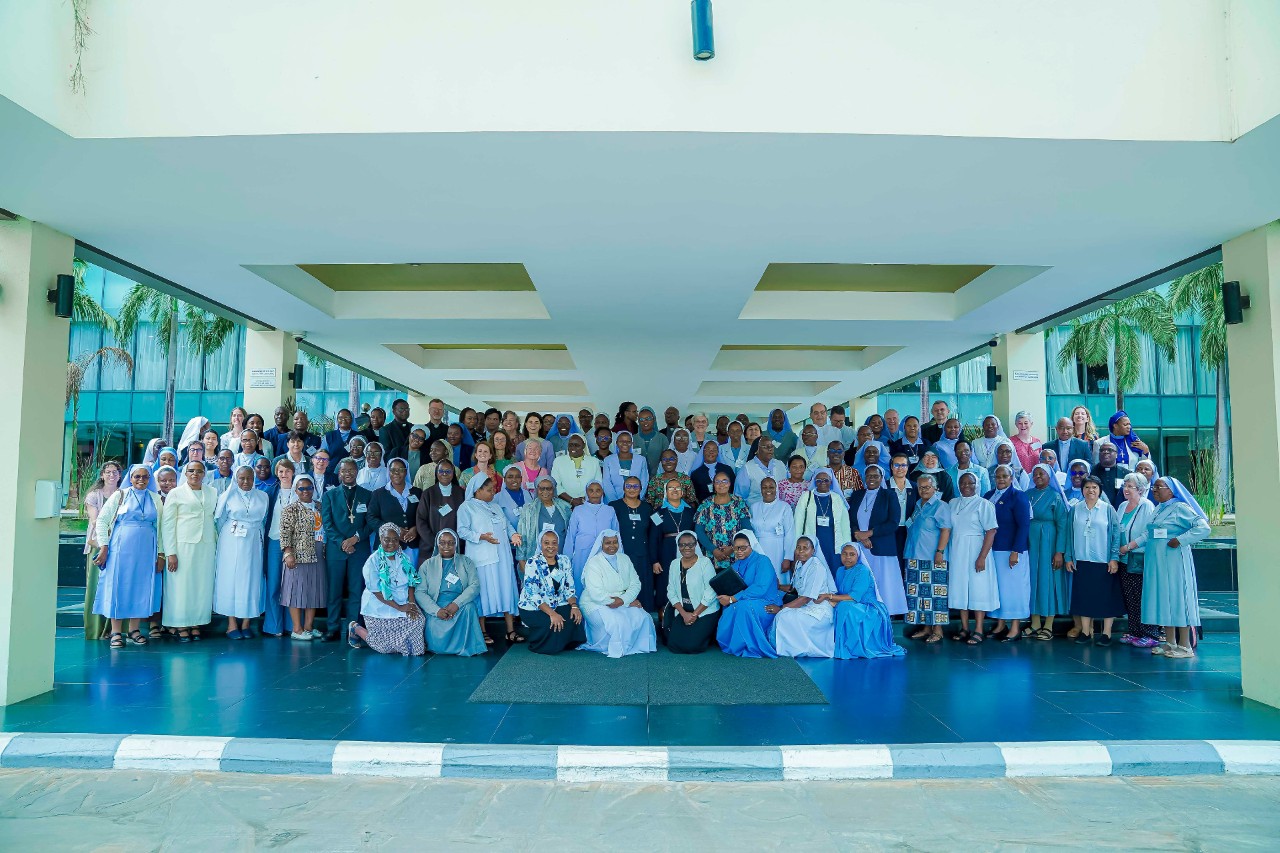
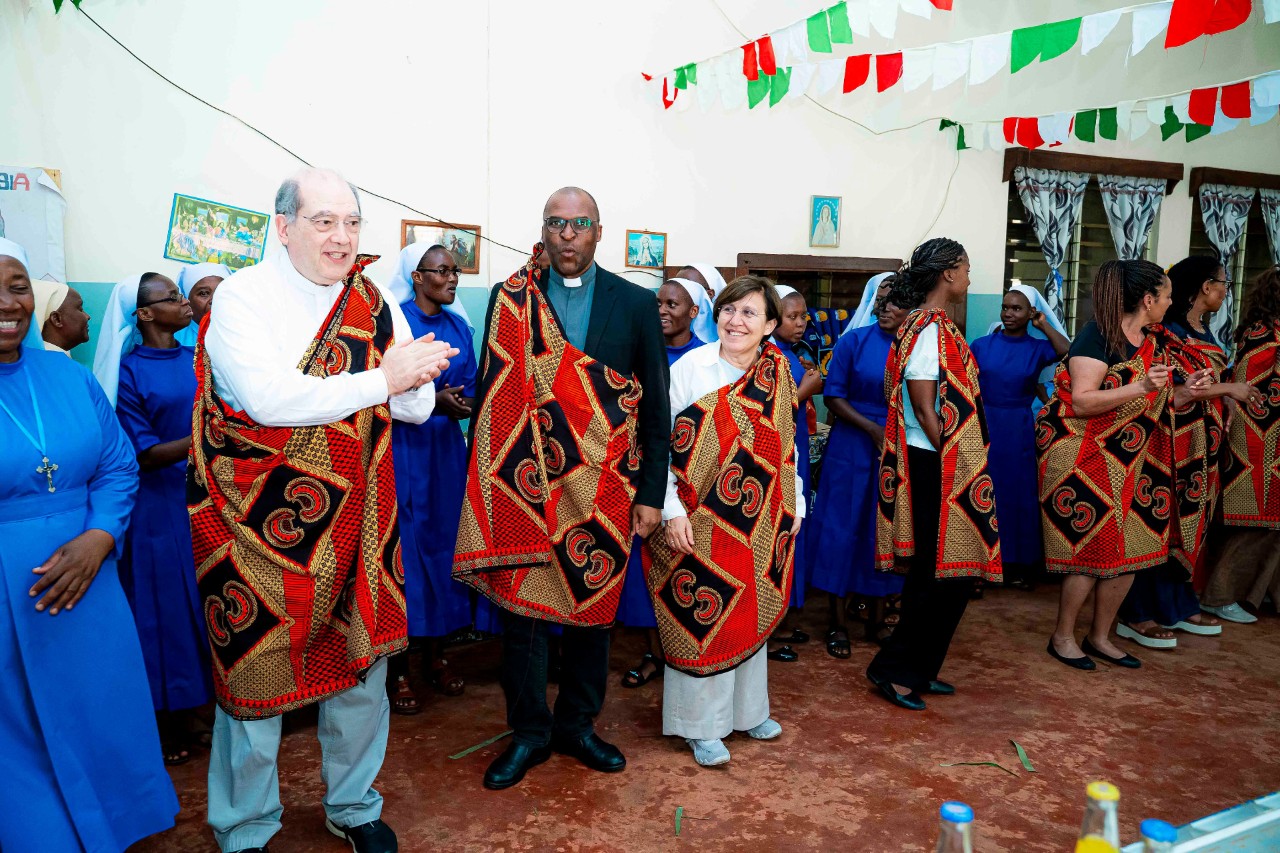
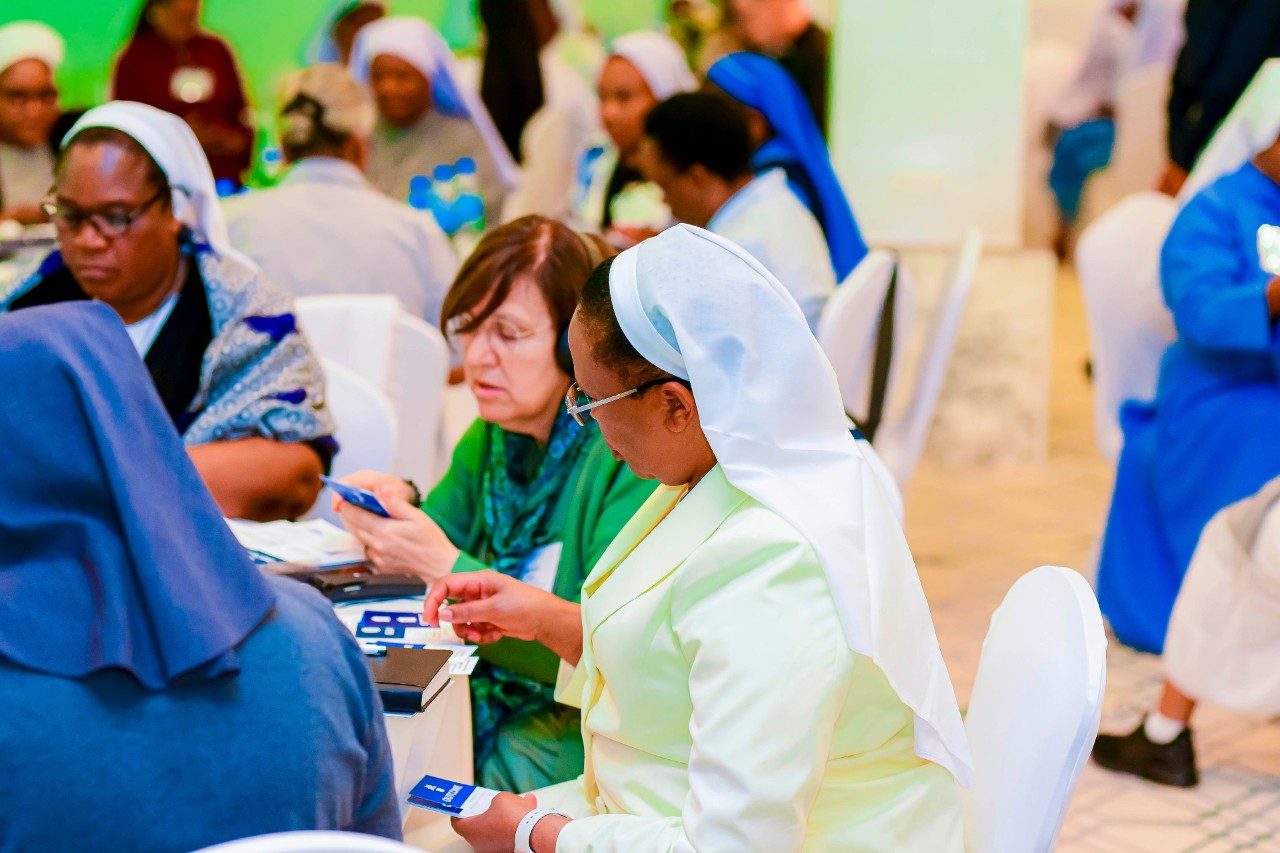
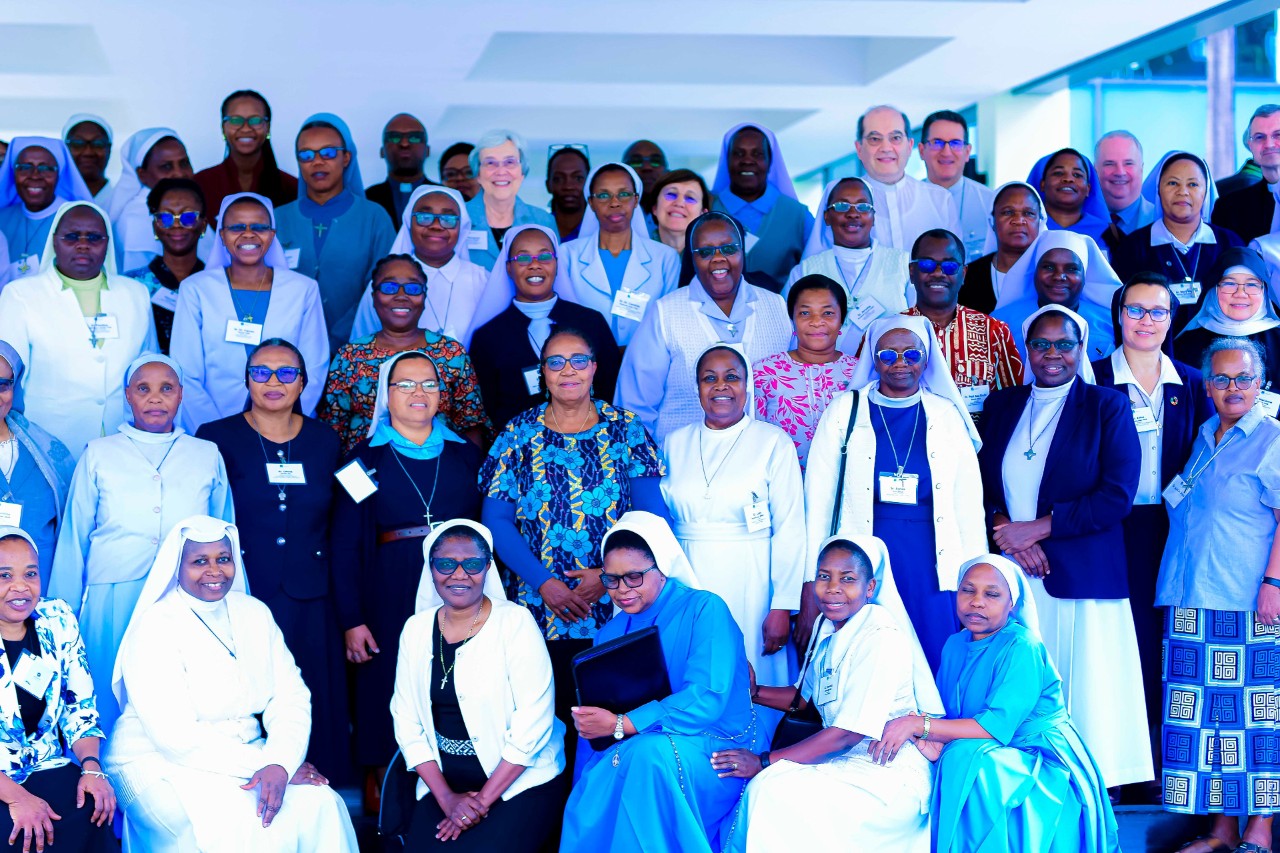
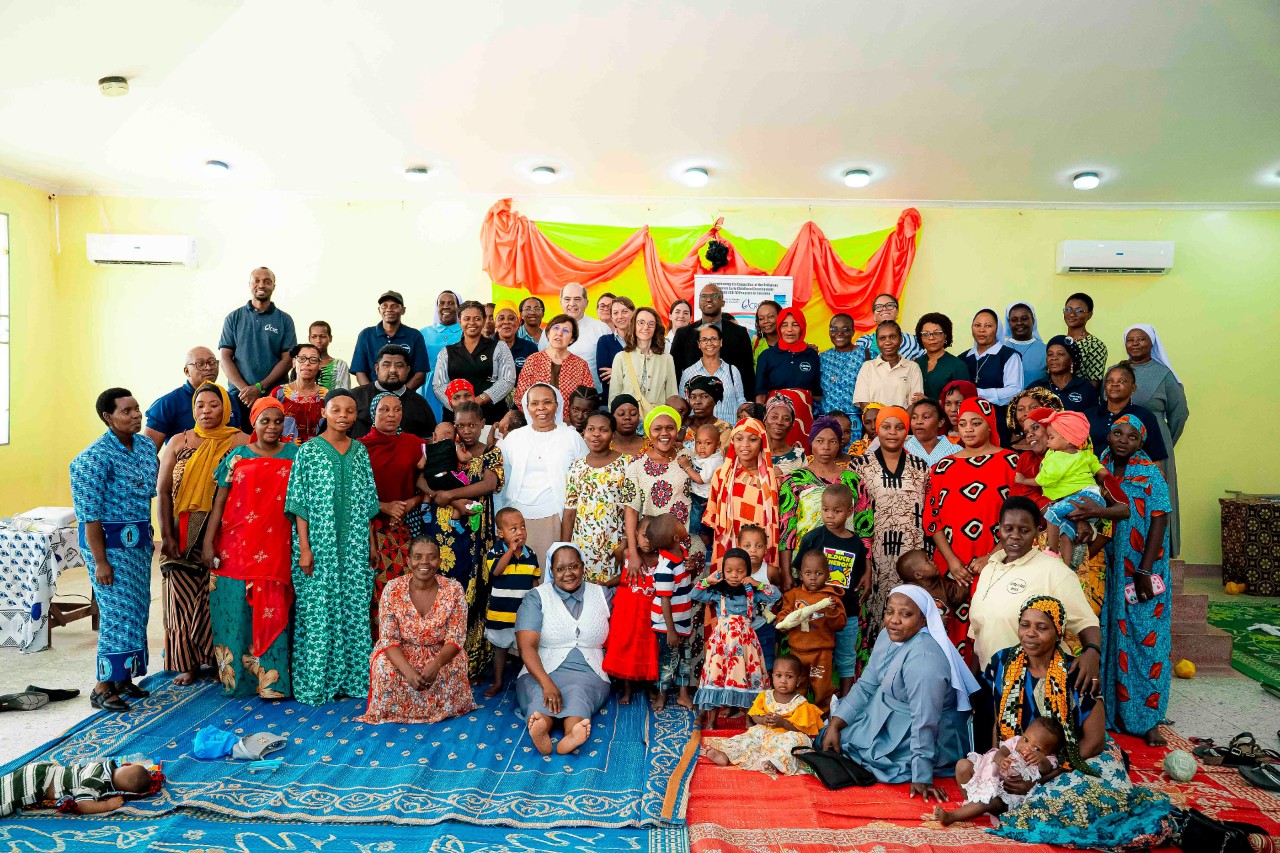
June 8-9 were devoted to visits to Bigwa, in the Morogoro Region, and Tandale, in Dar es Salaam. From June 10-12, the delegation participated in the international gathering together with more than 130 women religious from 23 countries, Church leaders, scholars, programme partners and lay collaborators.
“Deep listening” in order to work together
In her welcome message, Sr Jane Wakahiu, LSOSF, Associate Vice President of Program Operations and Head of the Catholic Sisters Initiative, invited participants to listen and to remain open. She spoke of “intentional dialogue”, “deep listening” and the need to share models of collaboration capable of supporting communities and responding to constantly changing needs.
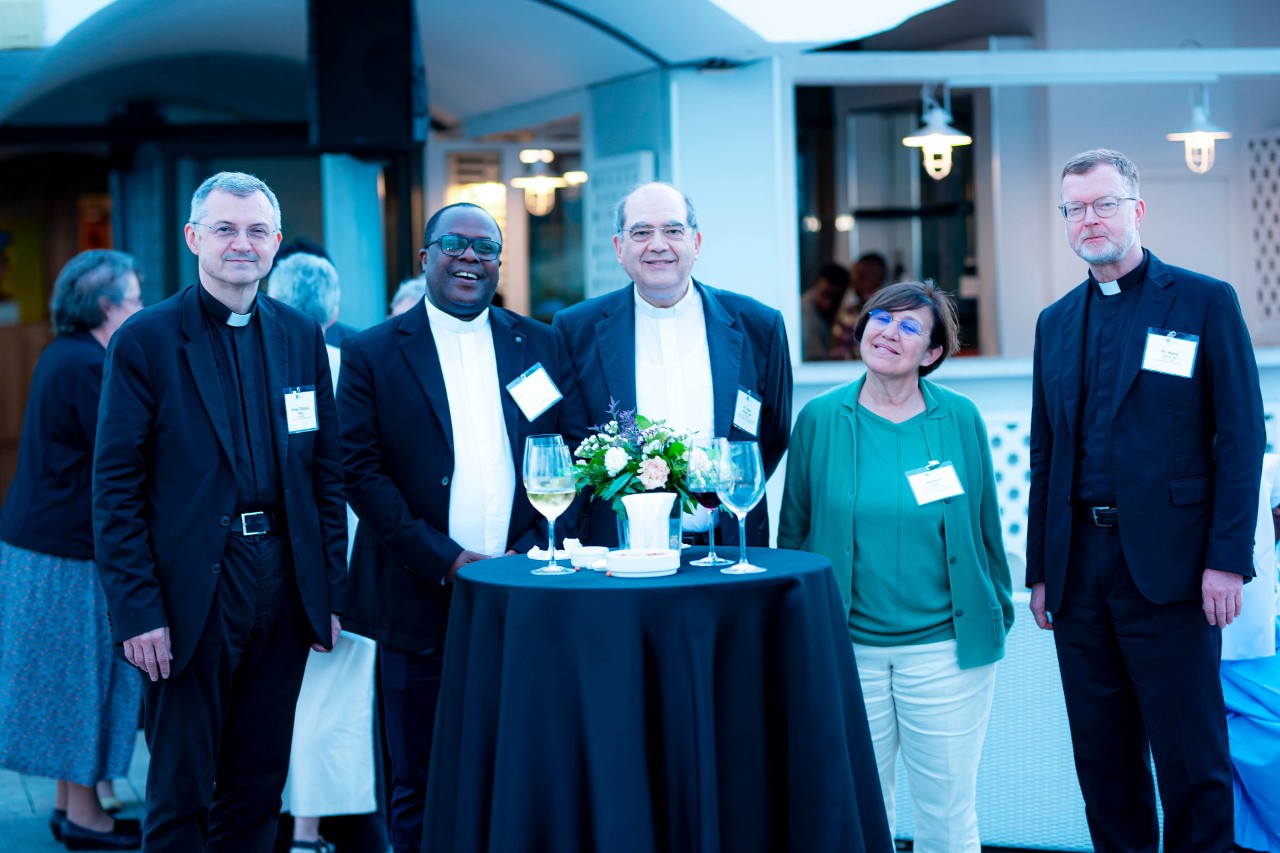
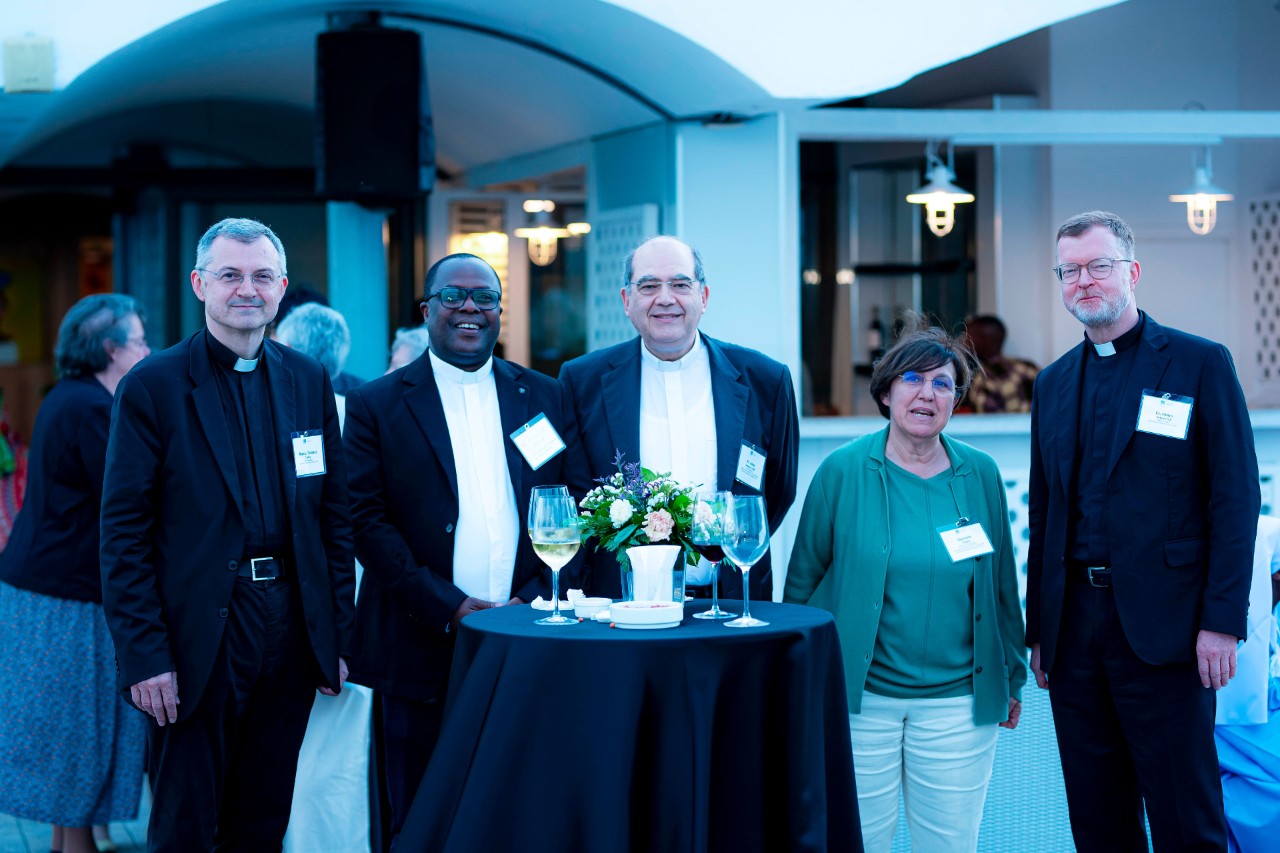
Among the guests who had travelled from Rome were Archbishop Fortunatus Nwachukwu, Secretary of the Dicastery for Evangelization; Sr Alessandra Smerilli, F.M.A., Secretary of the Dicastery for Promoting Integral Human Development; Mons. Luis Manuel Ali Herrera, Secretary of the Pontifical Commission for the Protection of Minors; and Nataša Govekar, Director of the Theological-Pastoral Directorate of the Dicastery for Communication. Also present were Fr Hans Zollner, S.J., Director of the Institute of Anthropology of the Pontifical Gregorian University, and Lavinia Rocchi Carrera, Secretary General of the World Union of Catholic Women’s Organisations, bringing the experience of the World Women’s Observatory.
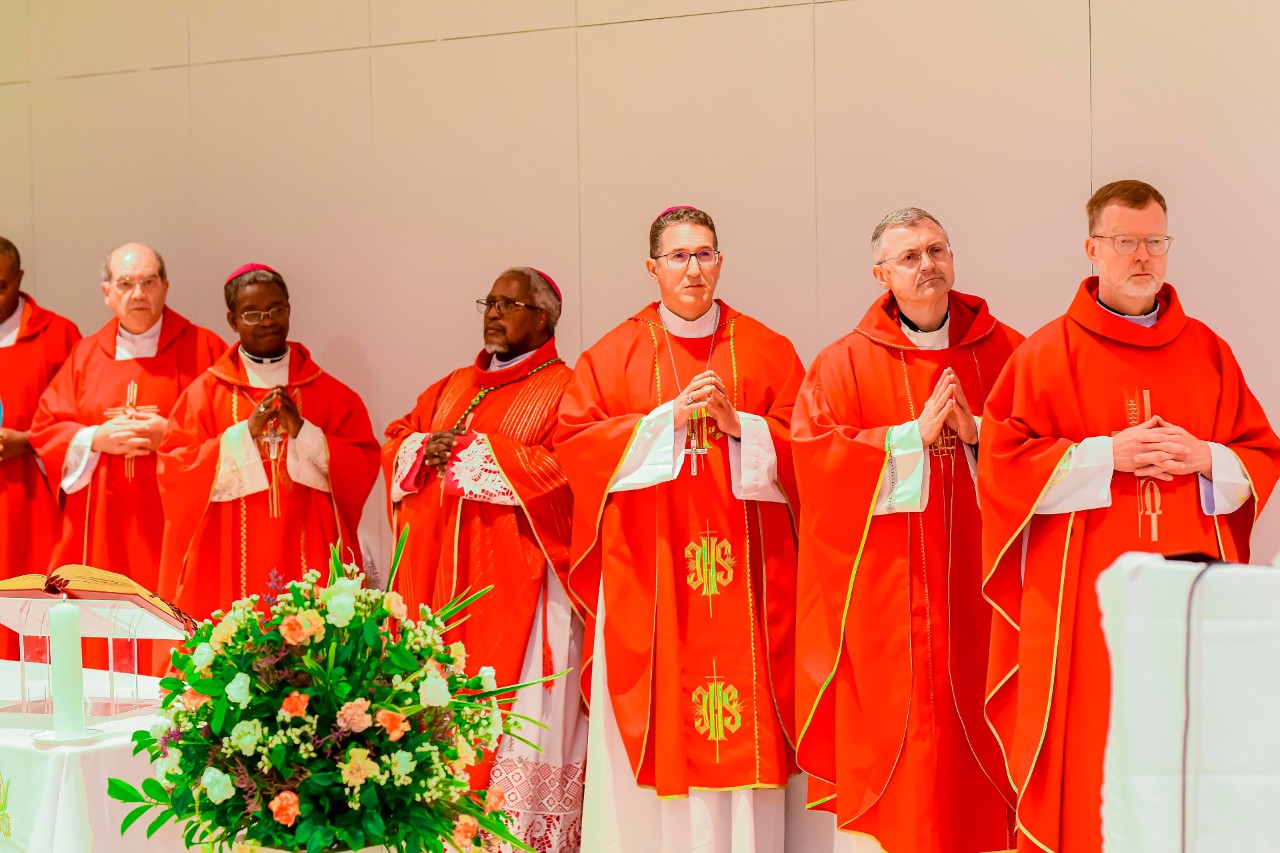
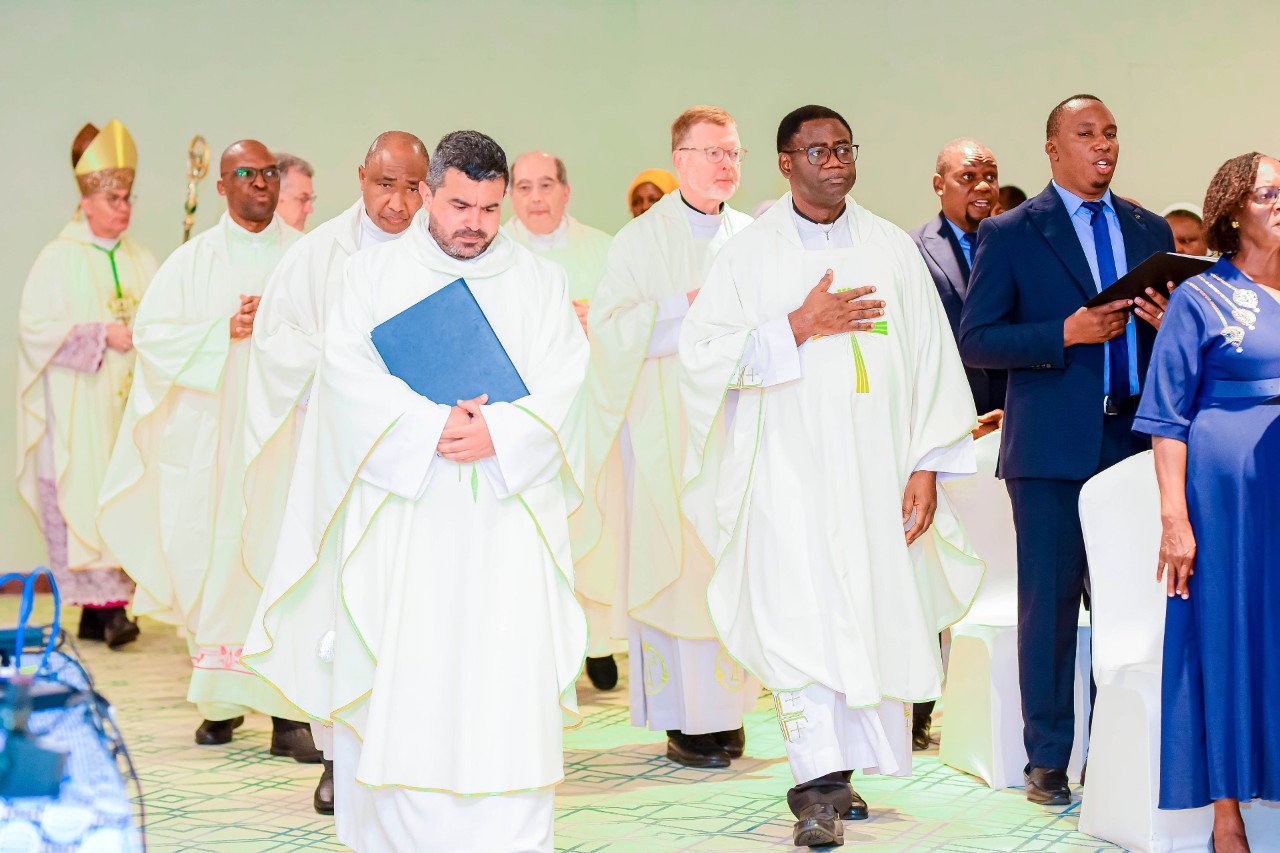
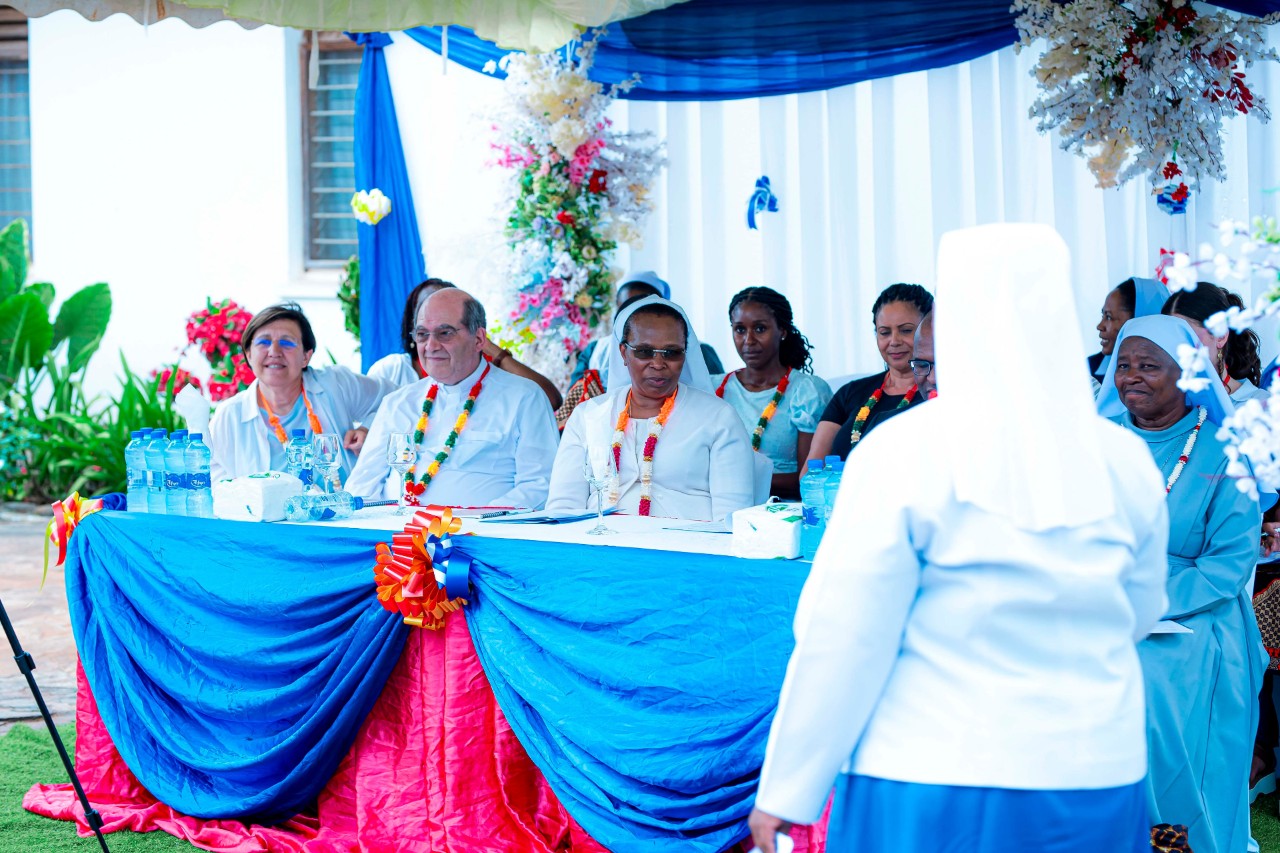
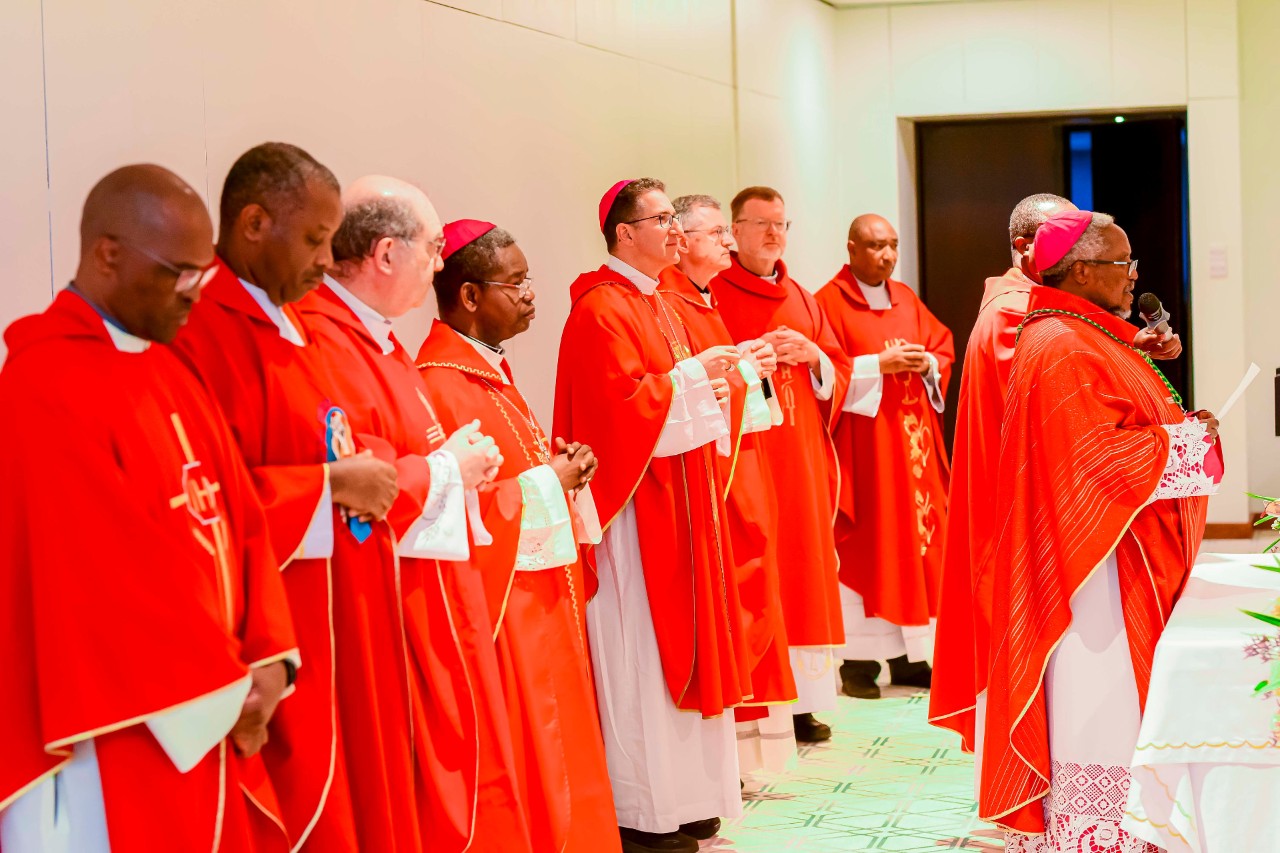
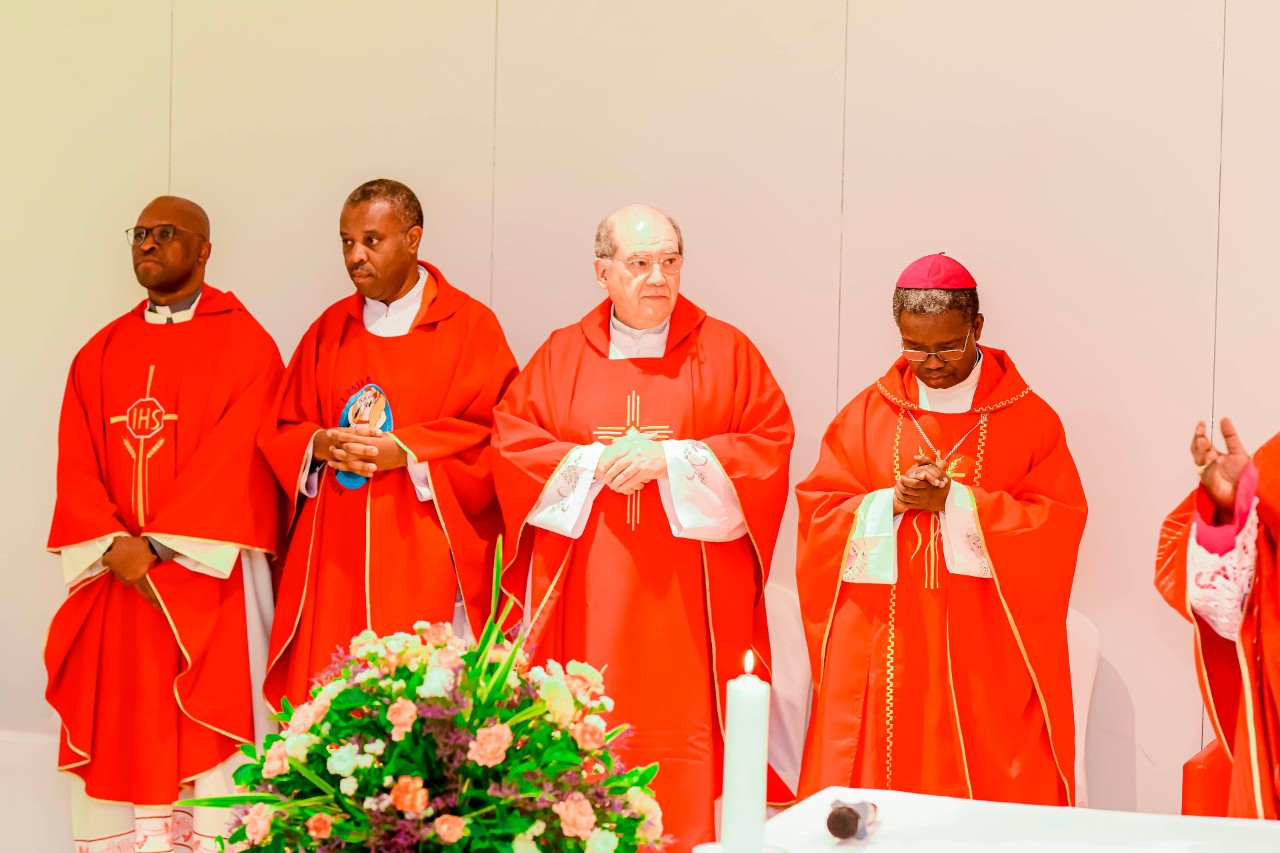
The Church in Tanzania participated through its pastors and institutions. Archbishop Jude Thaddaeus Ruwa’ichi of Dar es Salaam presided over the opening celebration; the Apostolic Nuncio, Archbishop Angelo Accattino, presided over the concluding celebration.
Beyond regulations: a culture of safeguarding
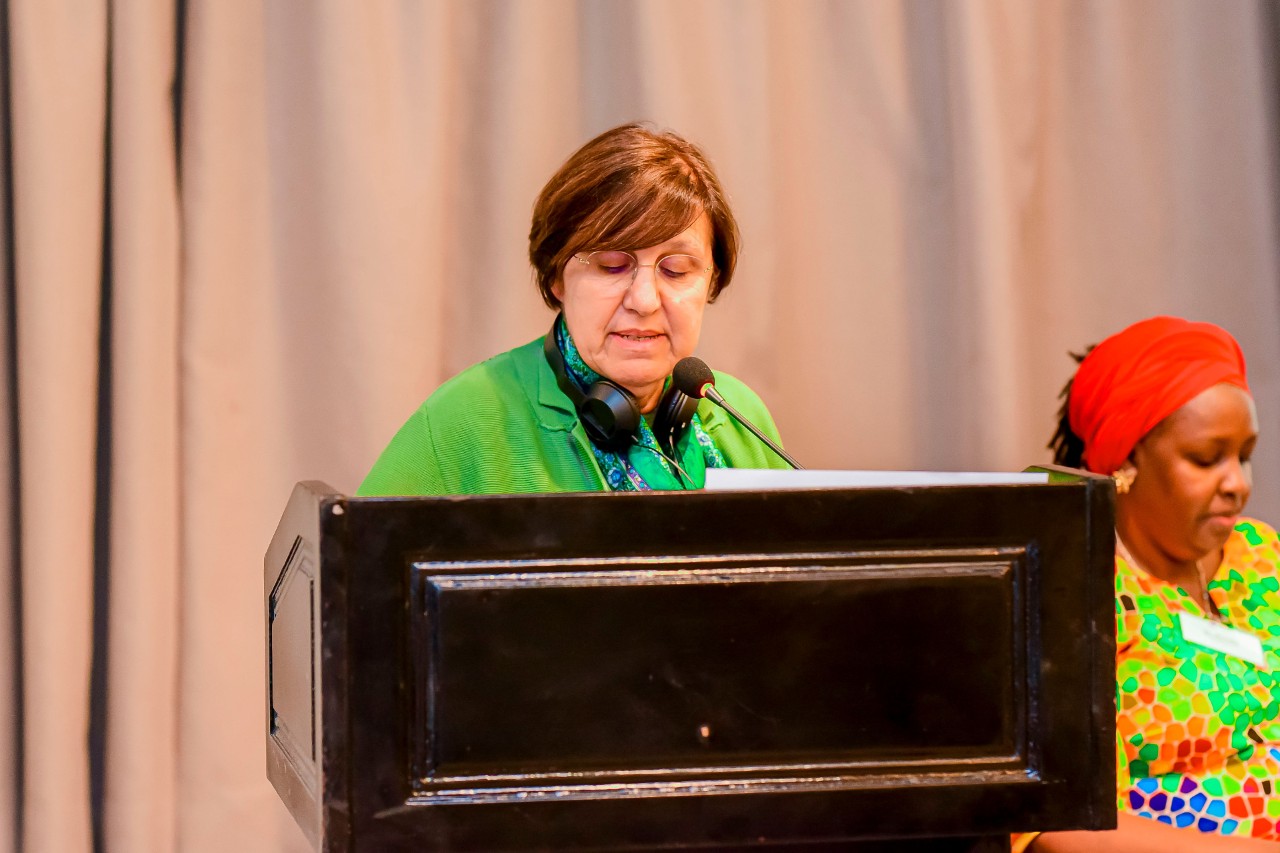
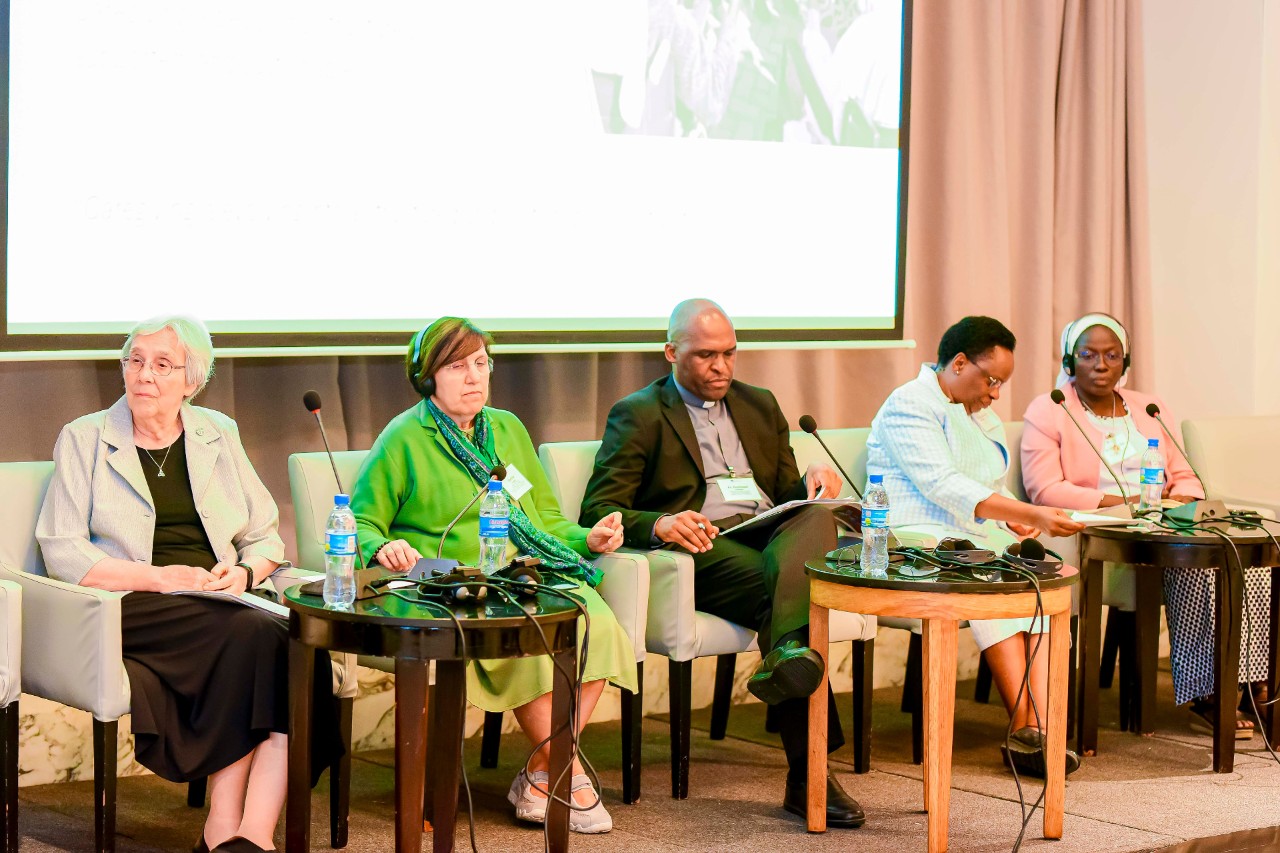
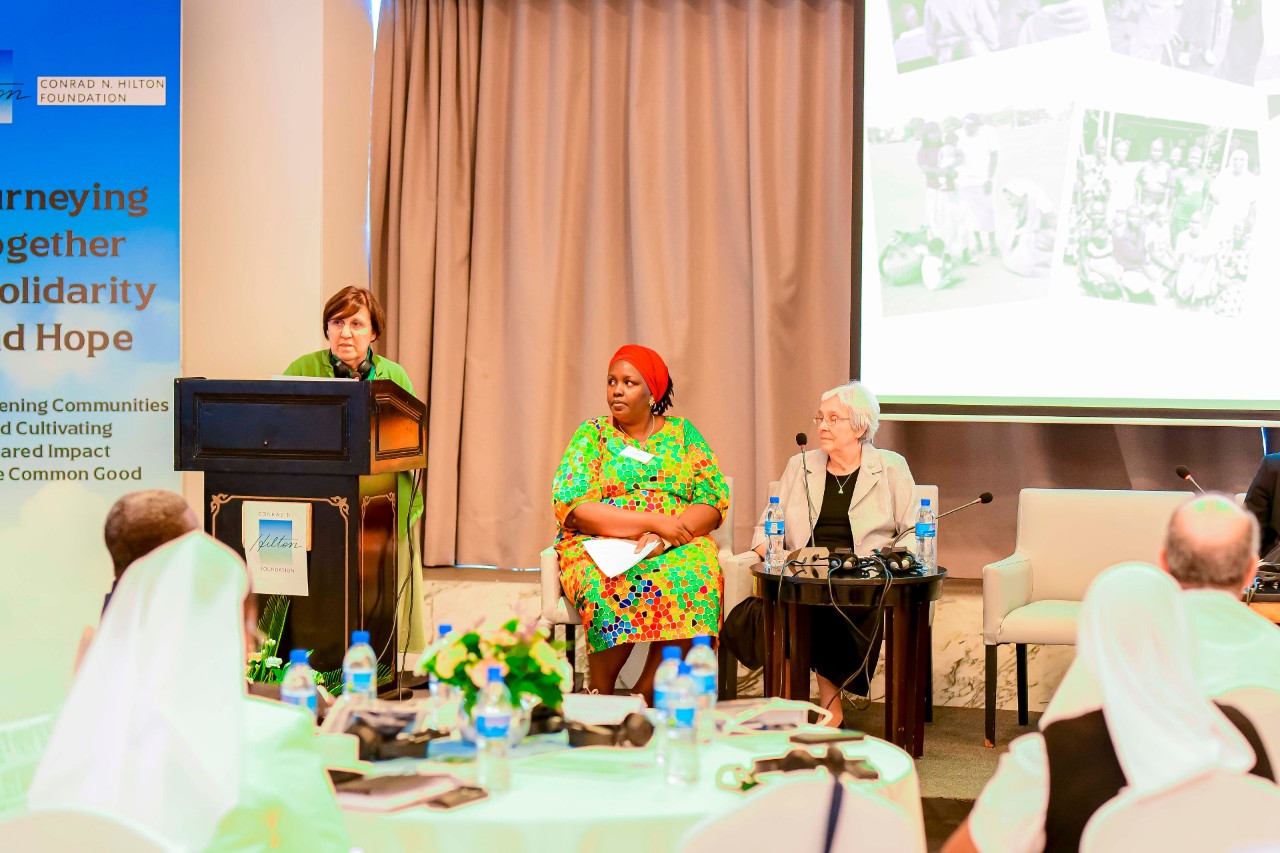
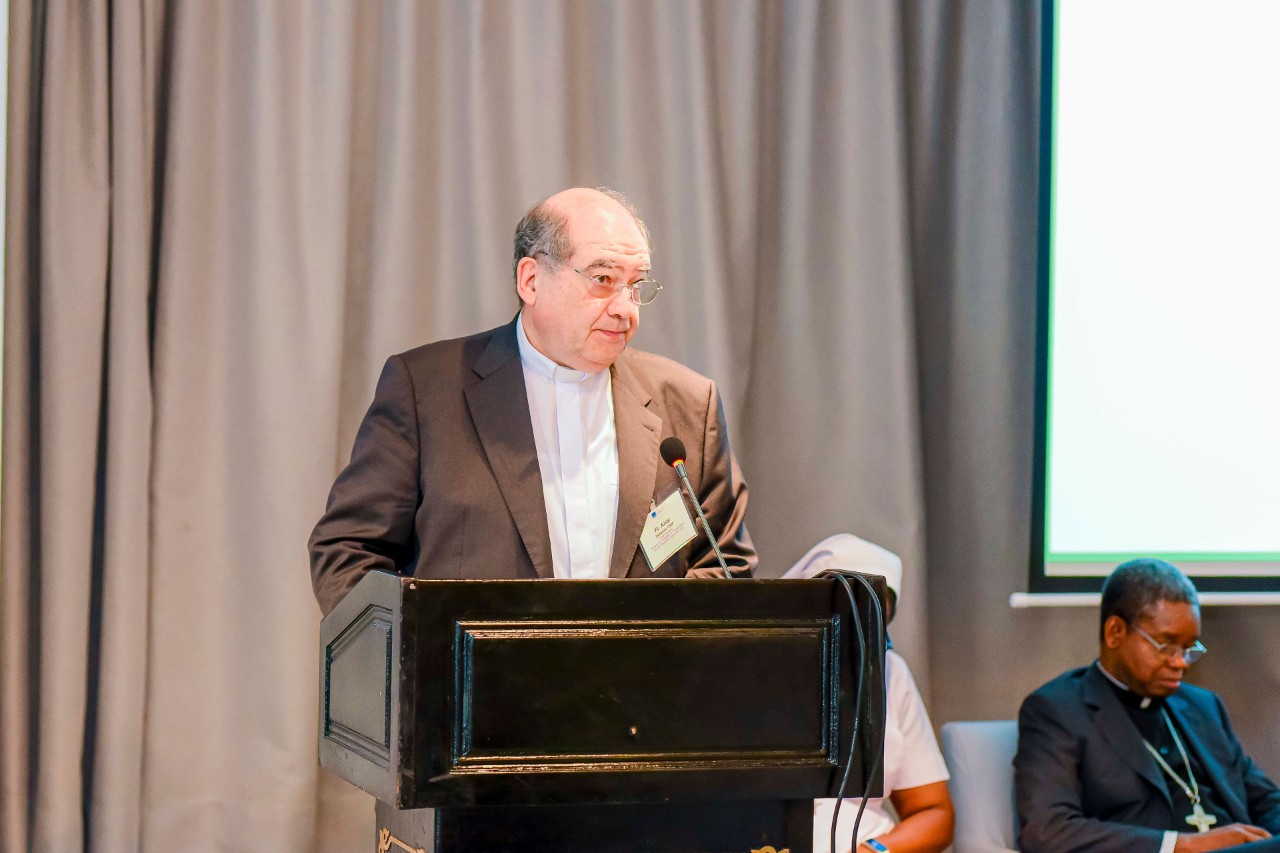
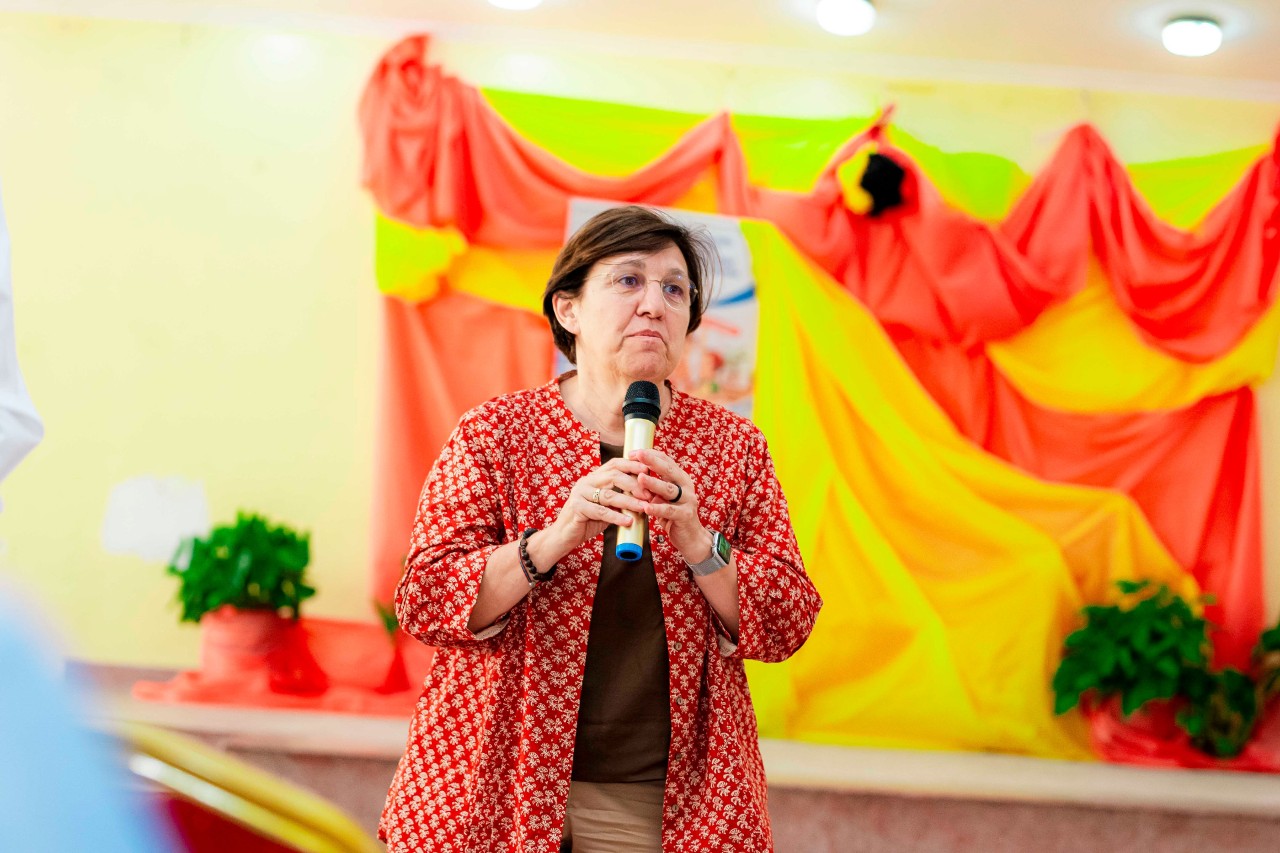
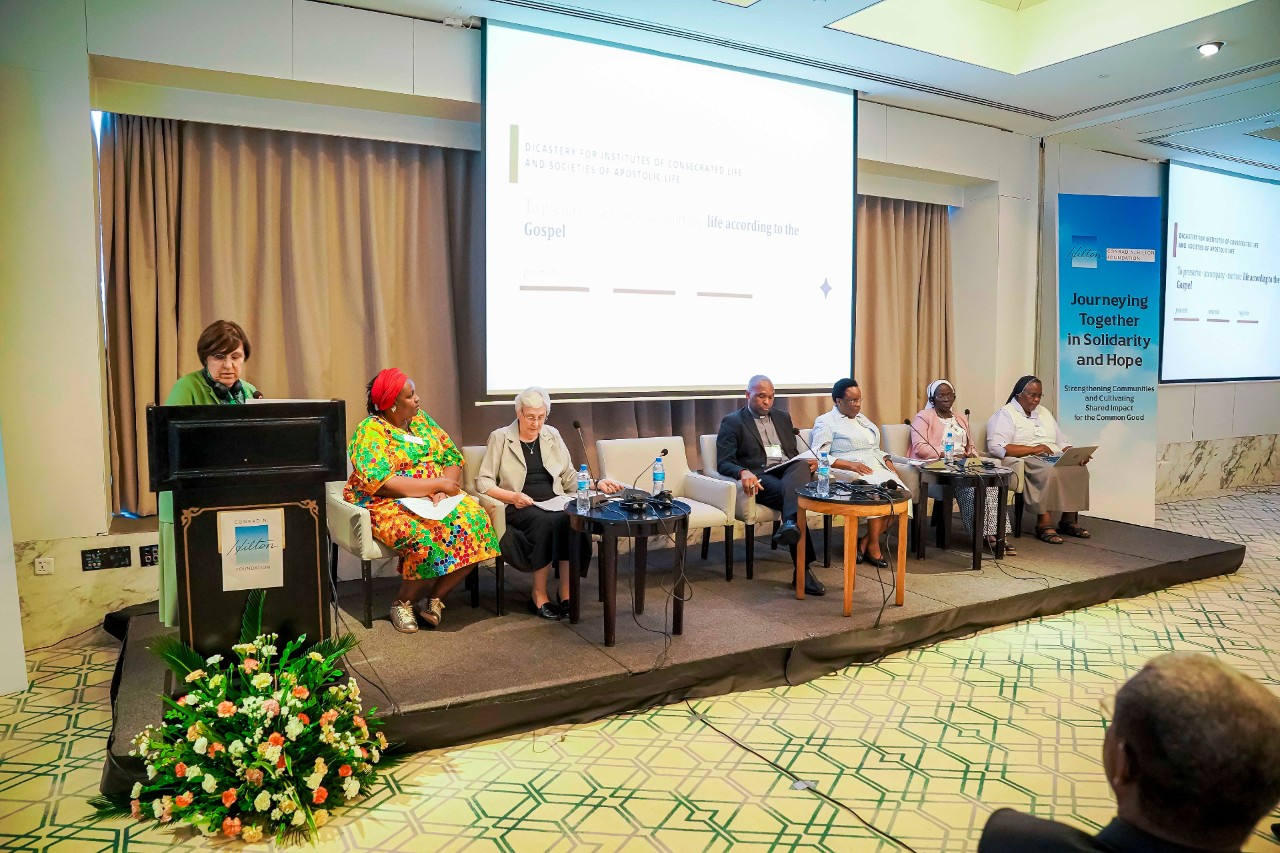
On 12 June, Fr Aitor Jiménez Echave took part in the panel discussion entitled “Beyond Mere Compliance: Fostering a Culture of Safeguarding for All.”
The discussion concerned shared responsibilities in the protection of persons and the integration of safeguarding into formation programmes, workplaces and ecclesial works. Safeguarding was presented not as an isolated requirement, but as a form of care involving communities, ministries and all those who serve within them.
Archbishop Nwachukwu, Mons. Ali Herrera, Fr Zollner and women religious working in the legal and theological fields also took part in the panel discussion. Human dignity, listening to those who have suffered abuse and the creation of safe environments formed the common ground of the dialogue.
At Bigwa, studying in order to serve
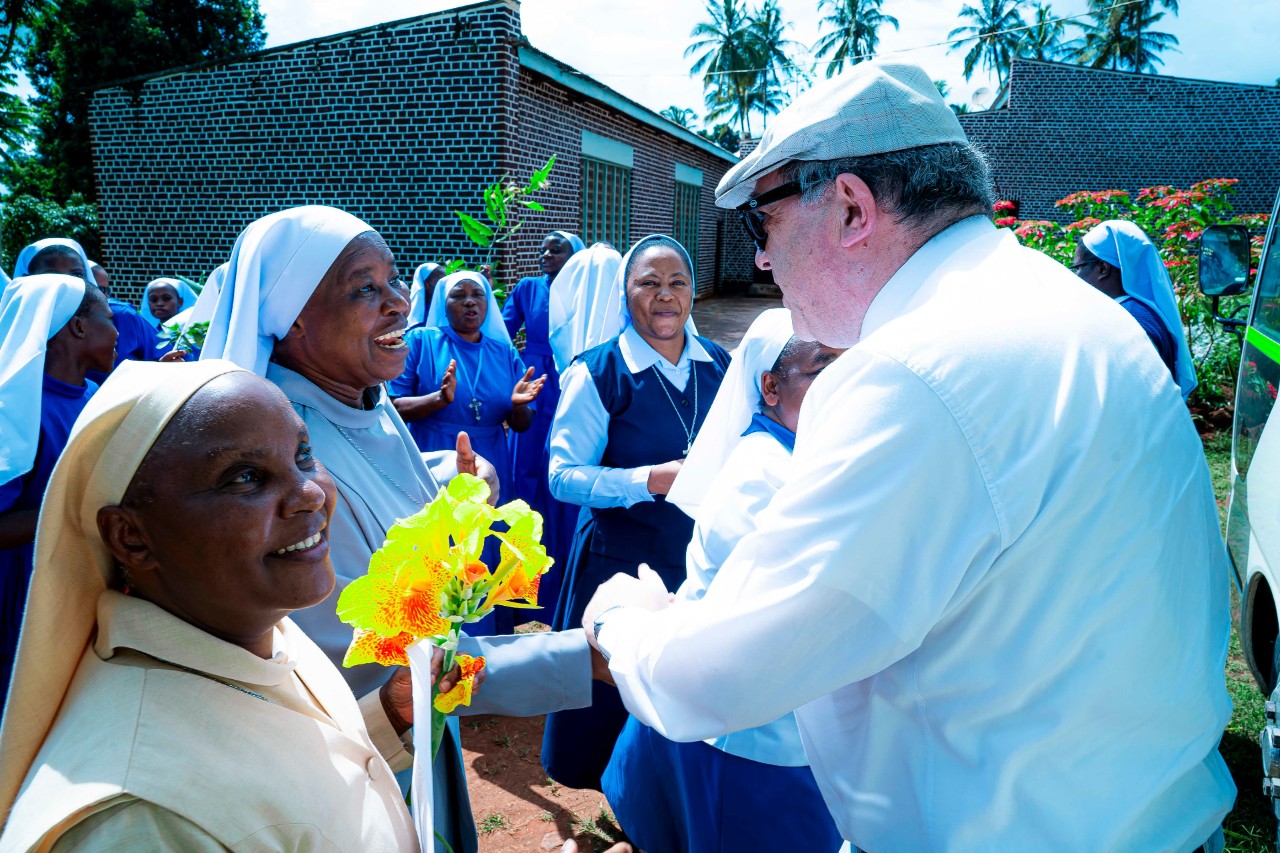
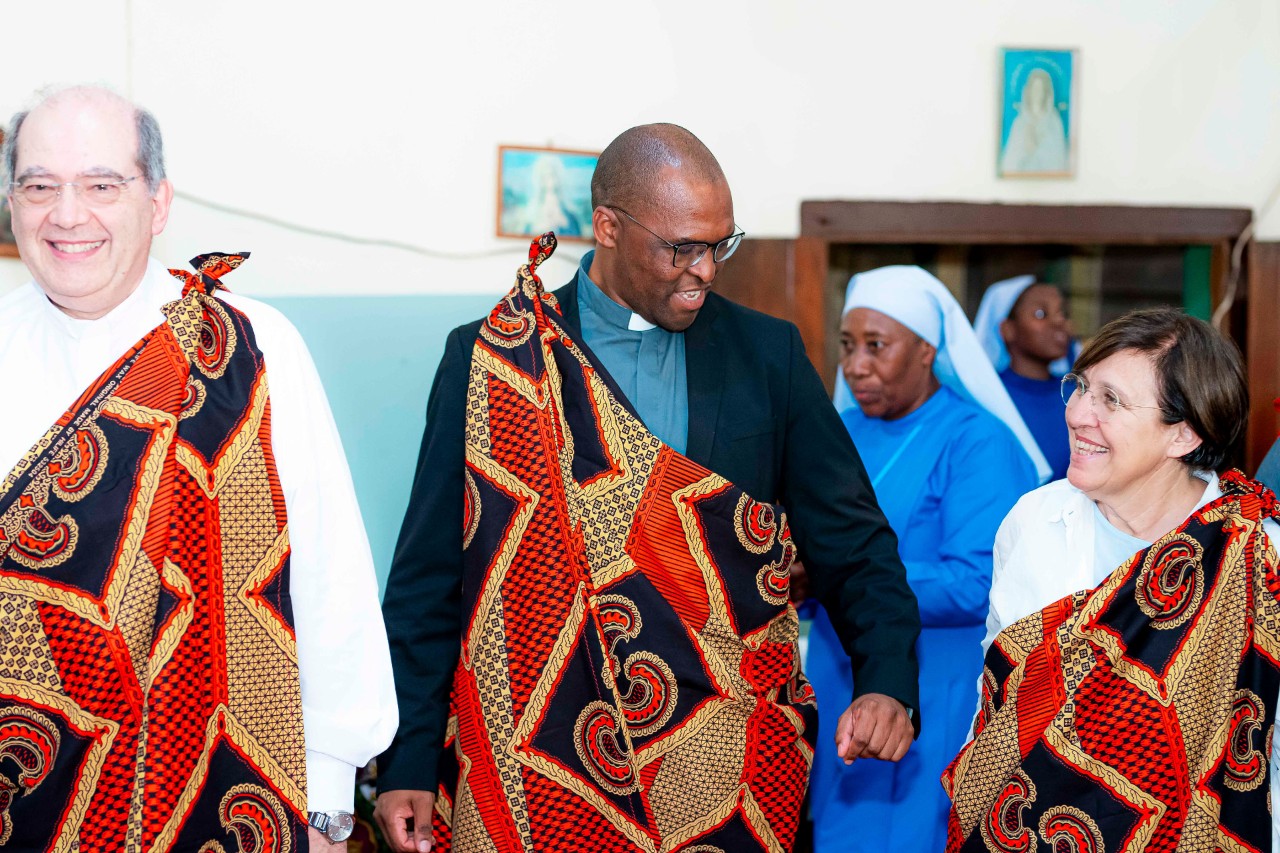
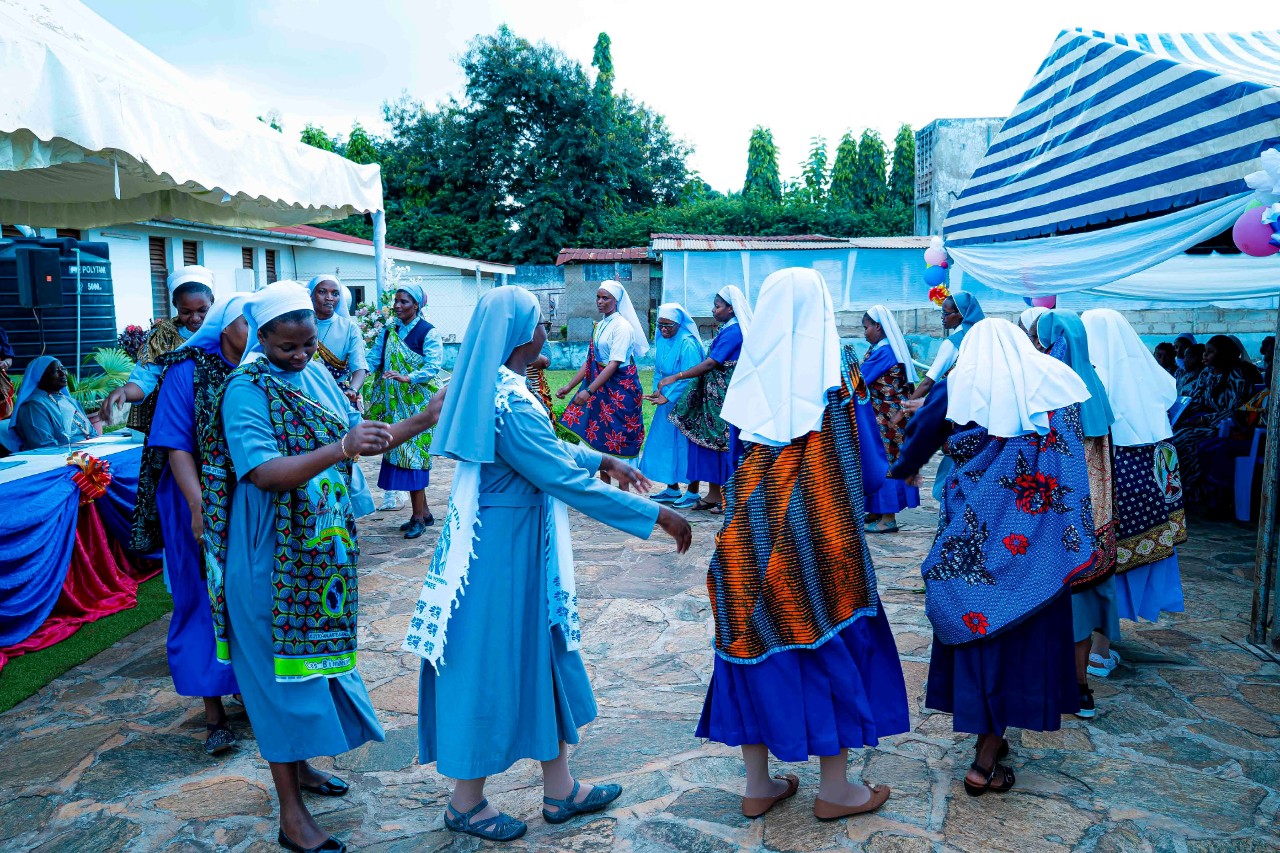
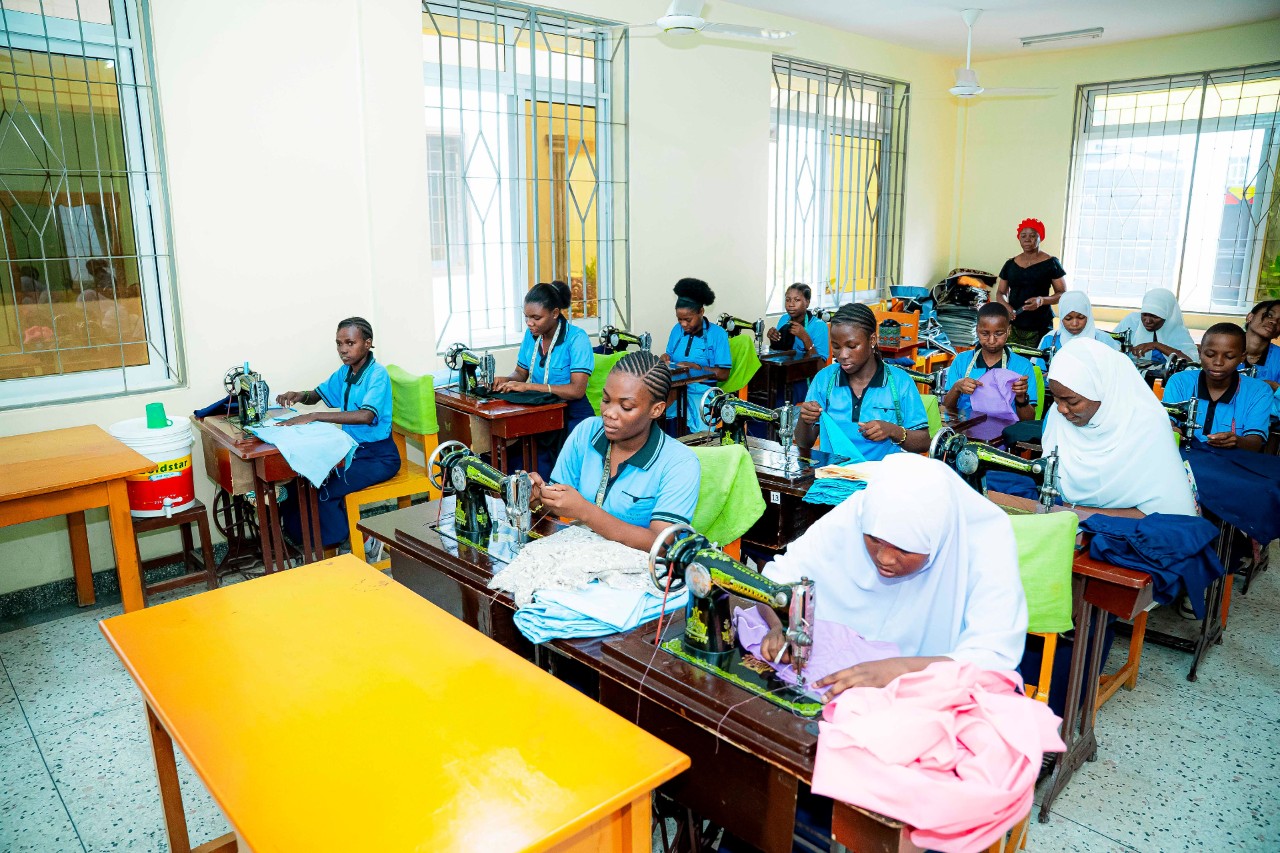
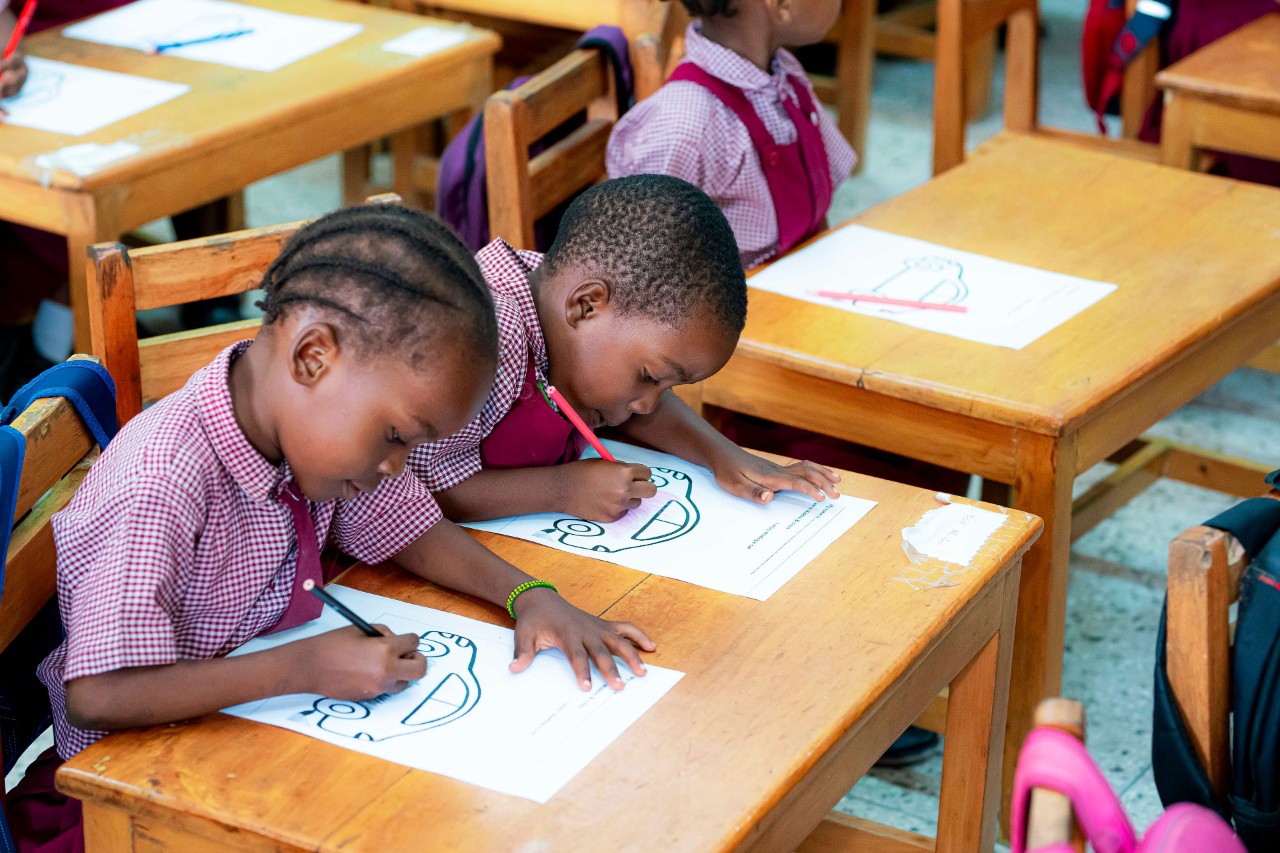
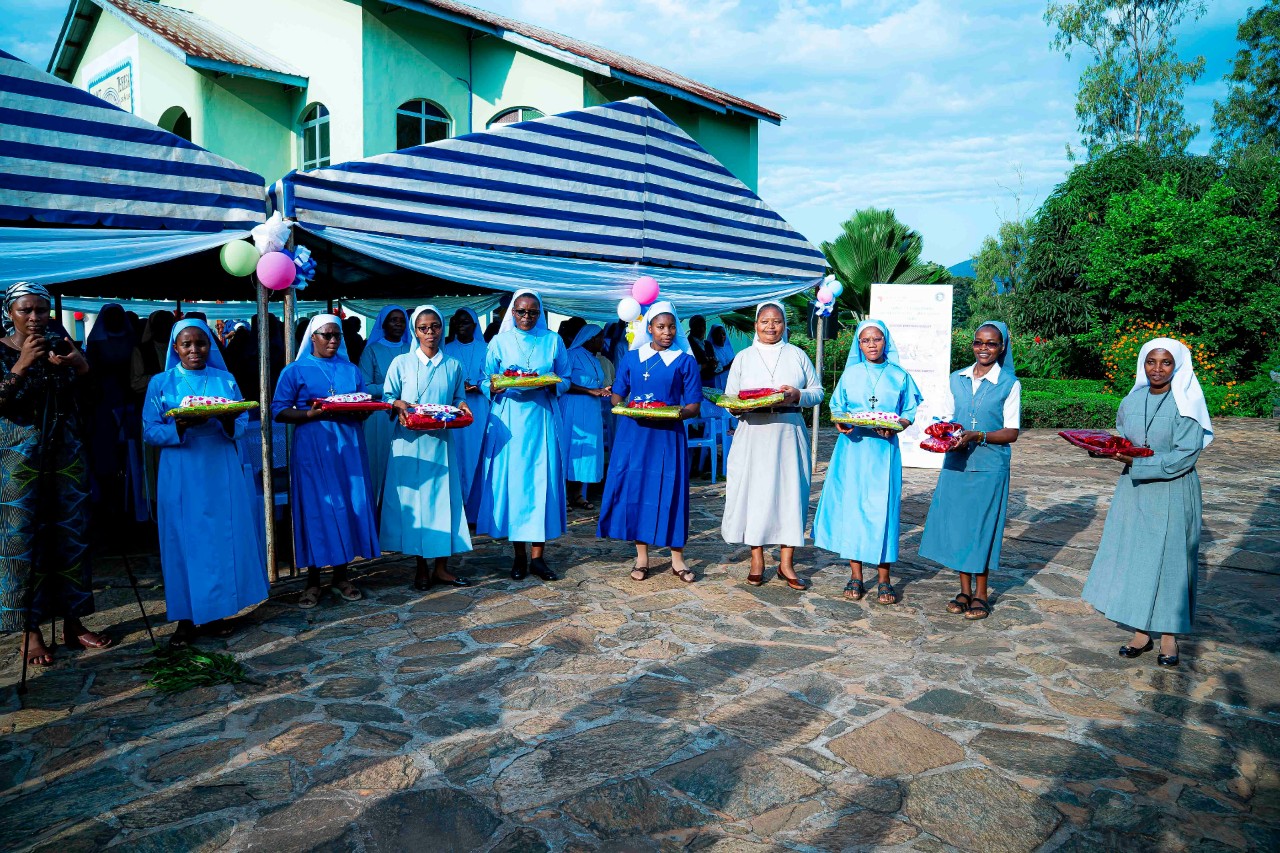
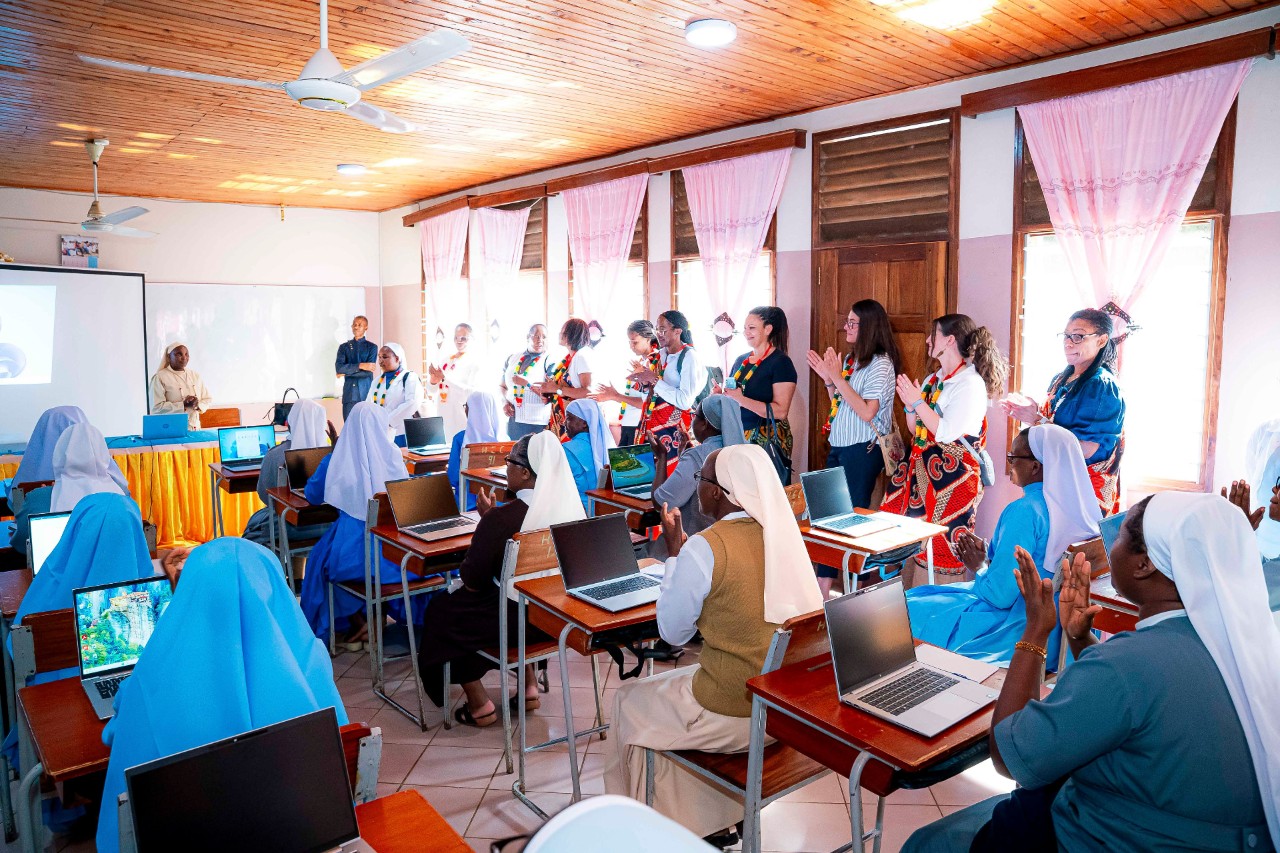
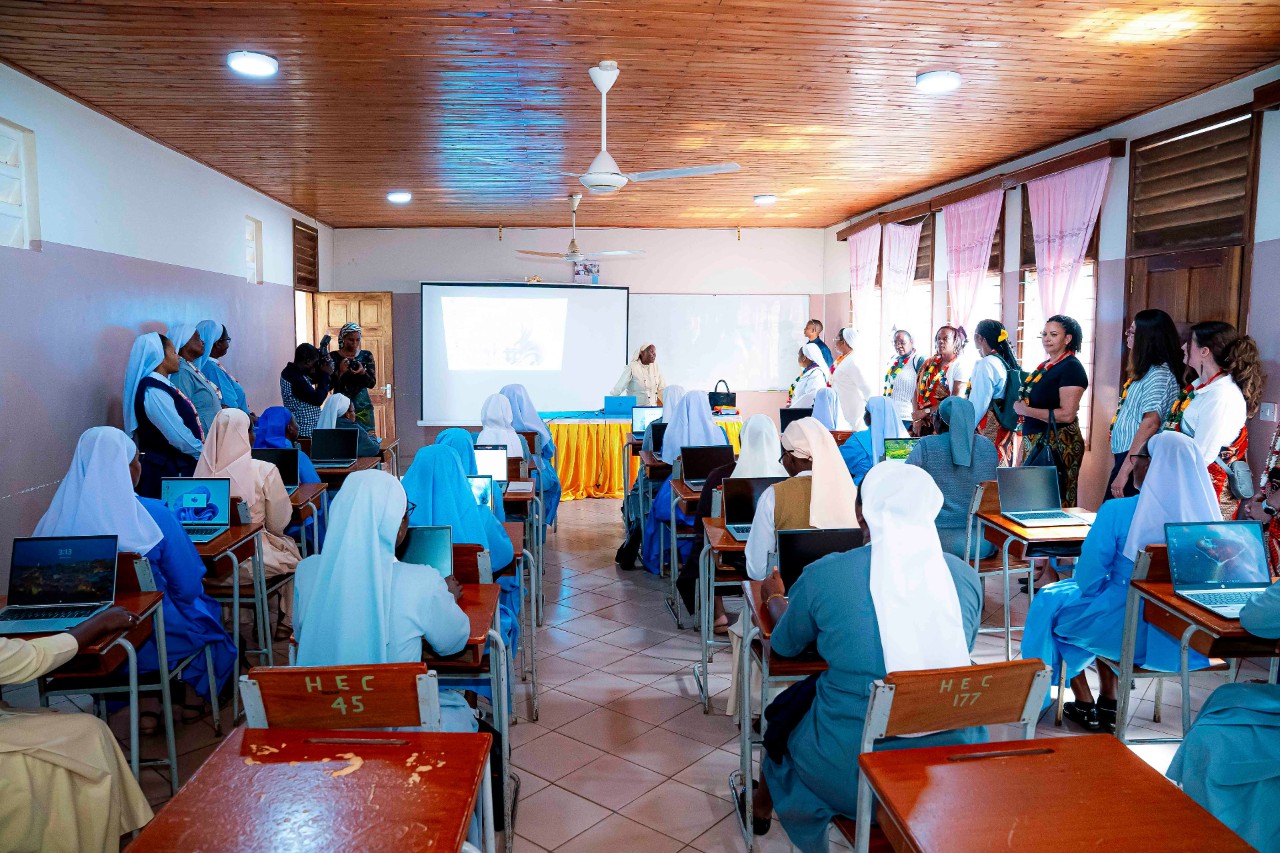
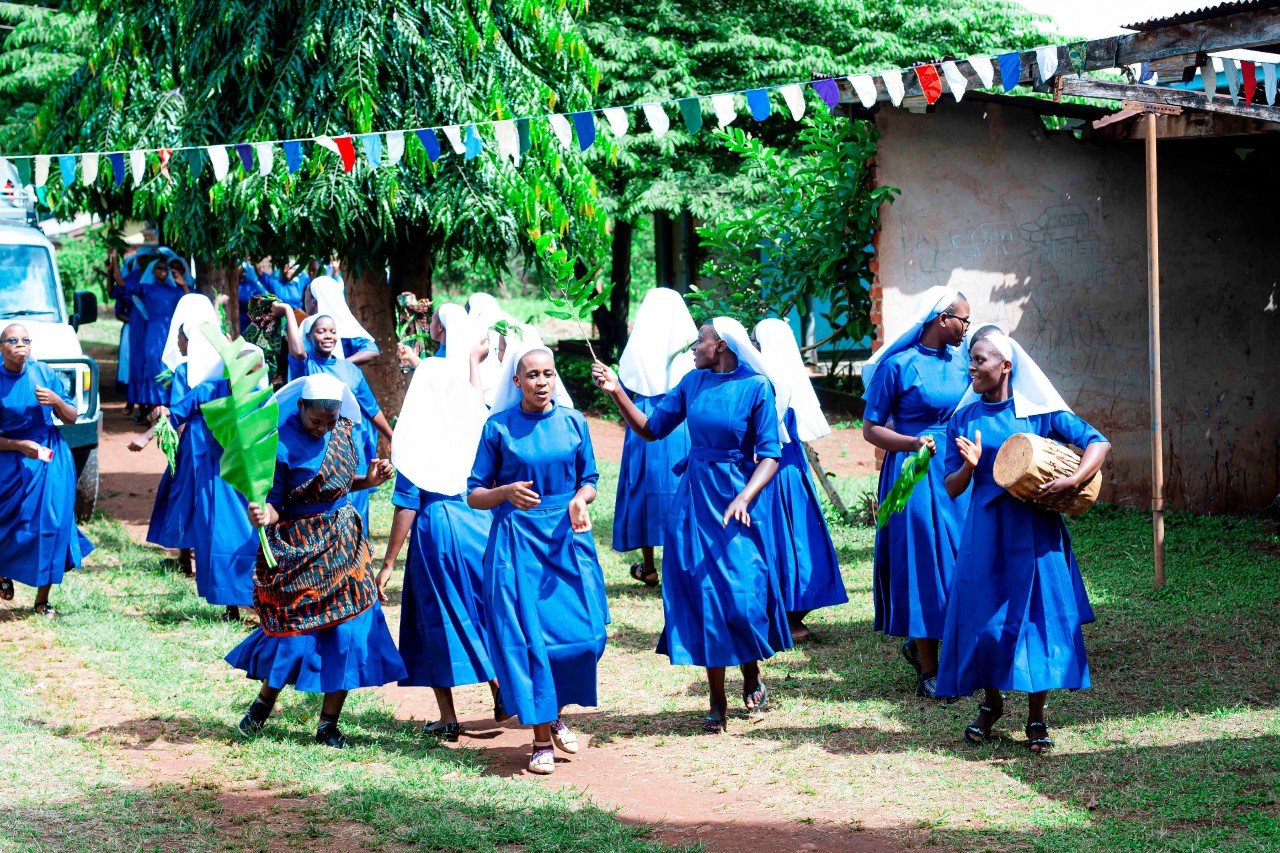
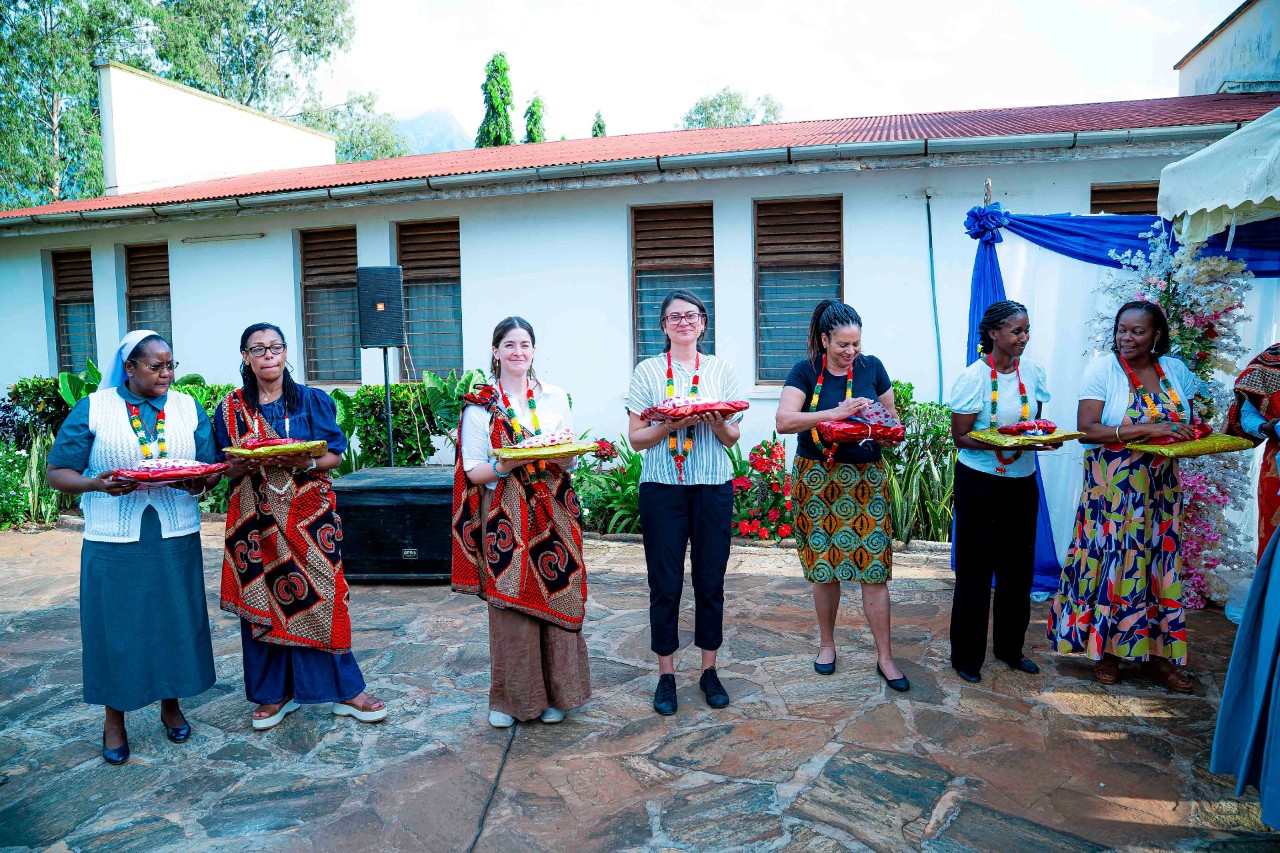
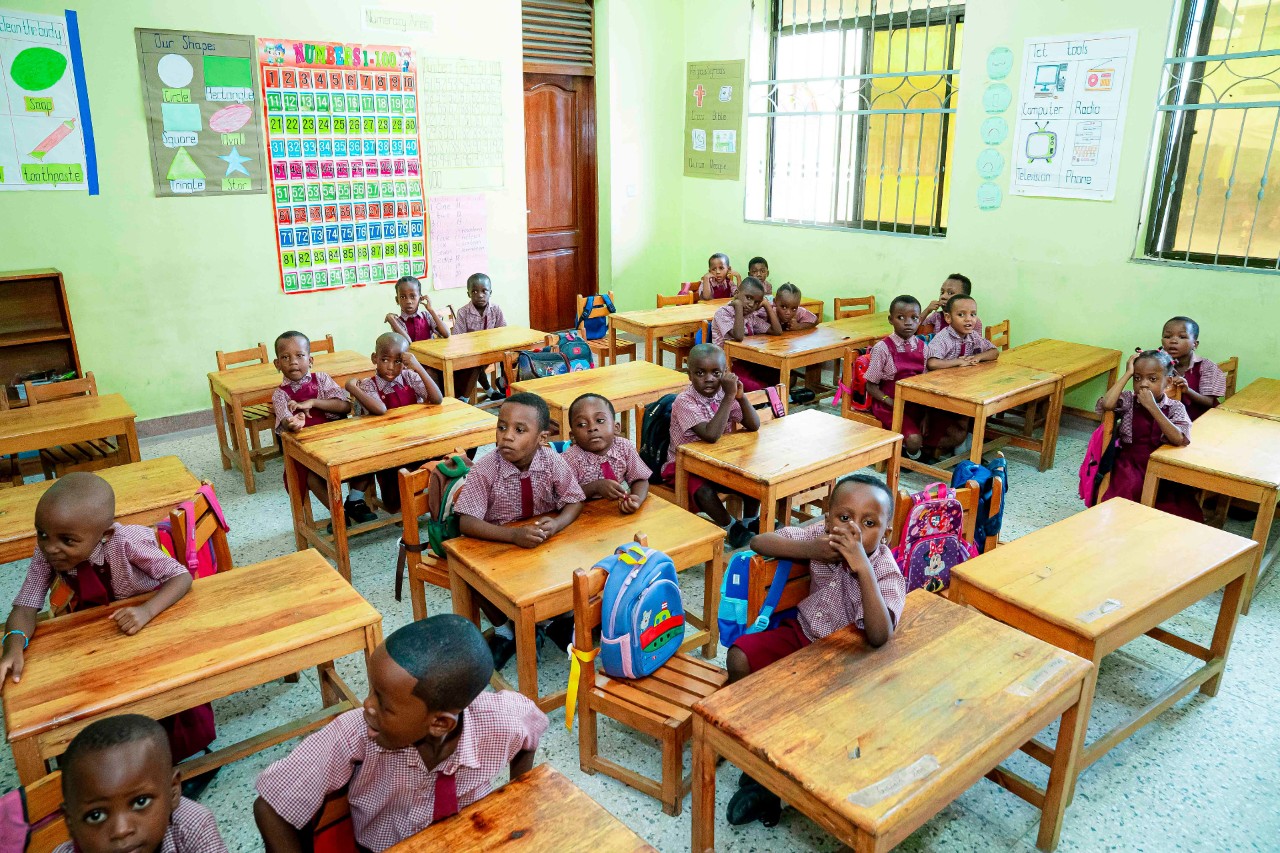
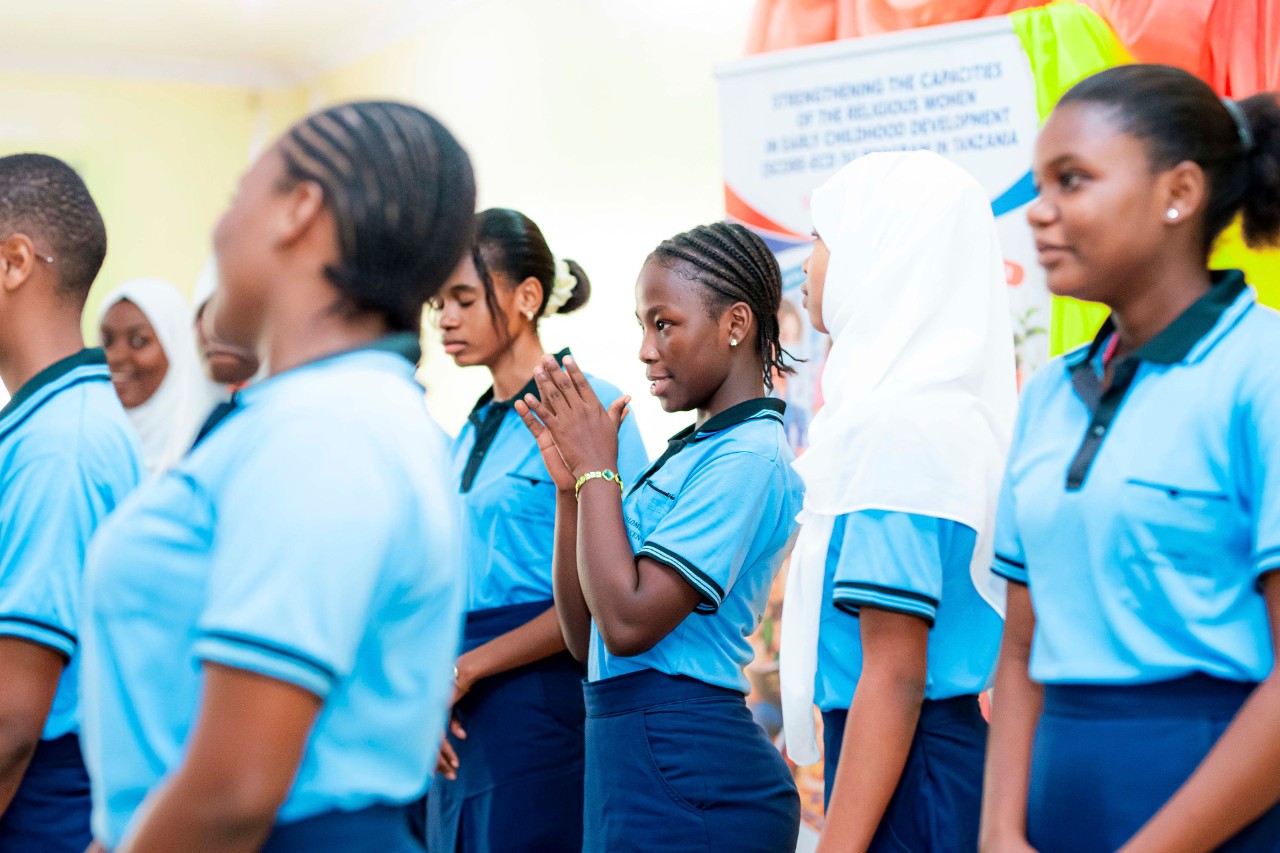
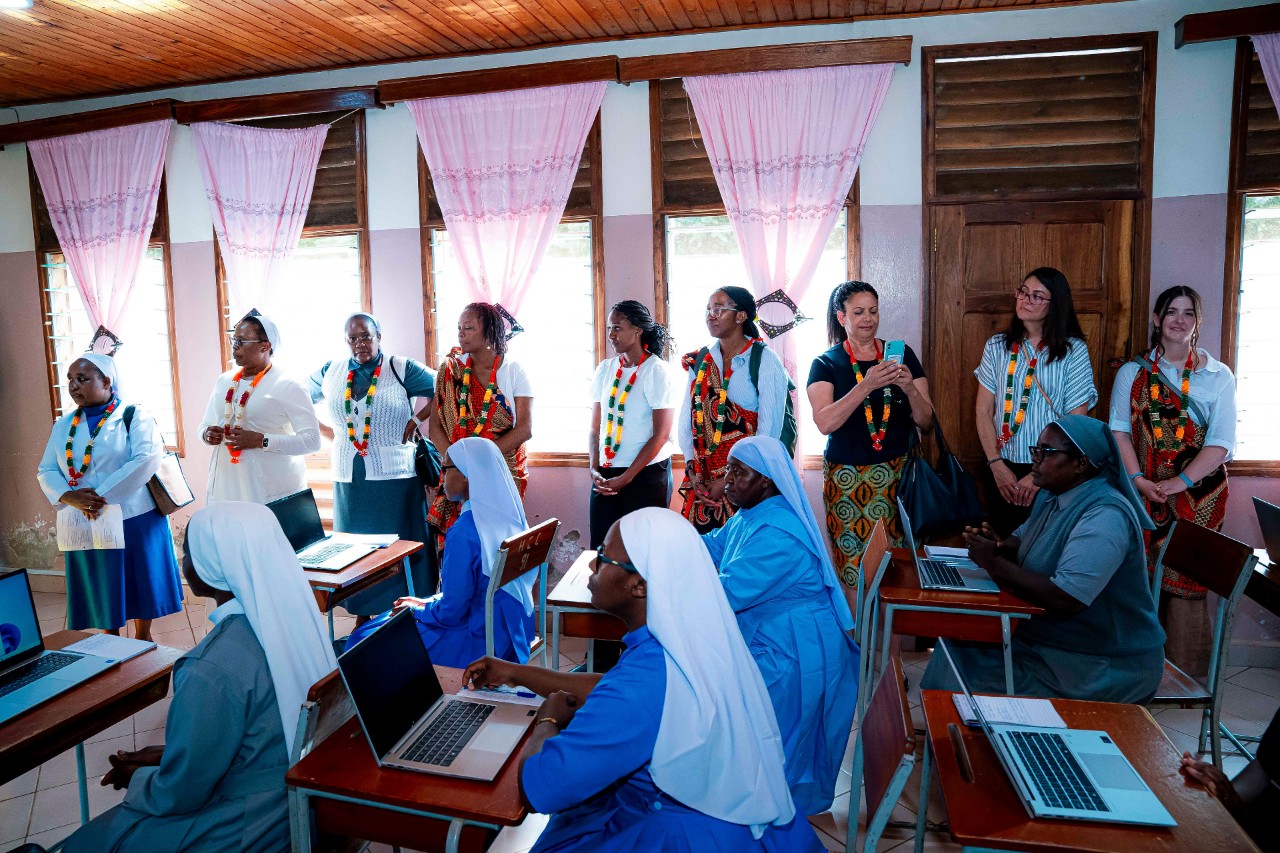
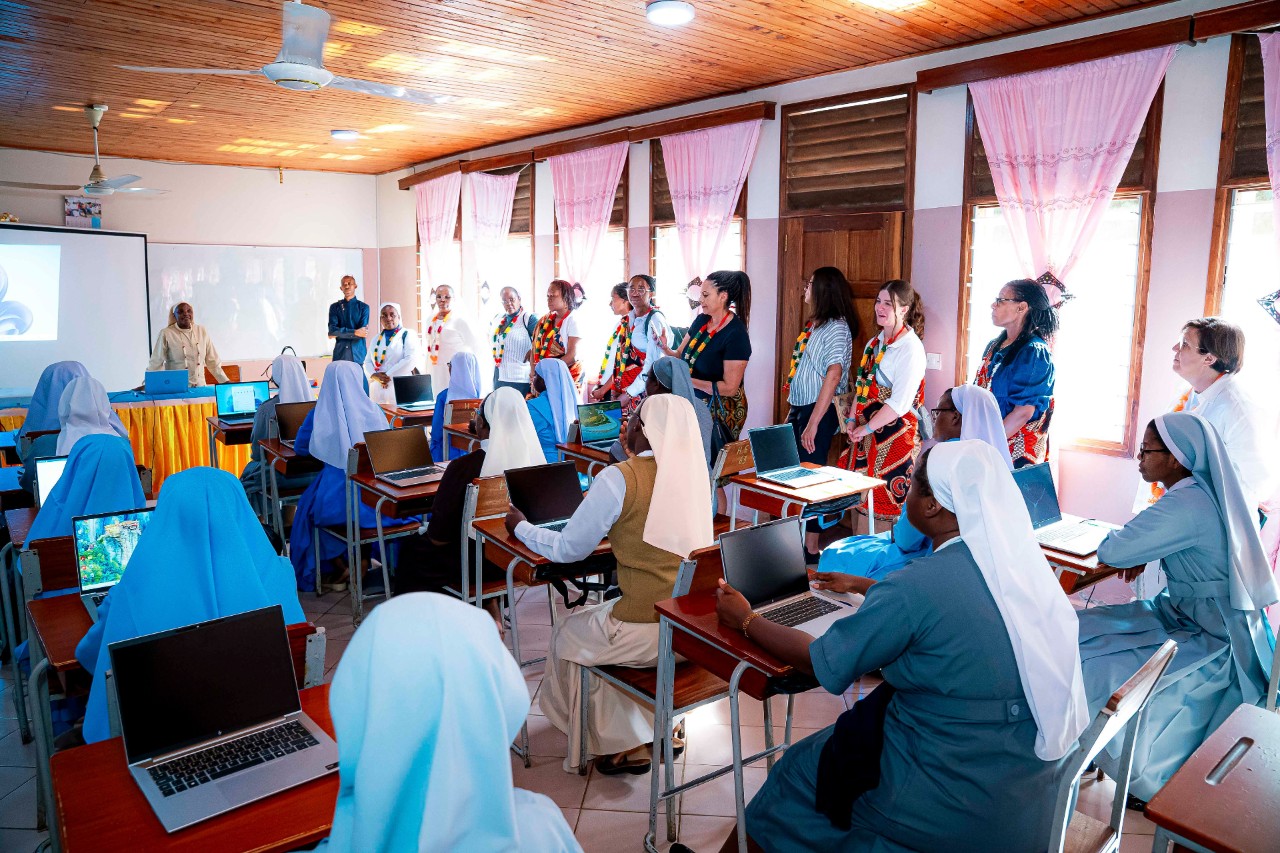
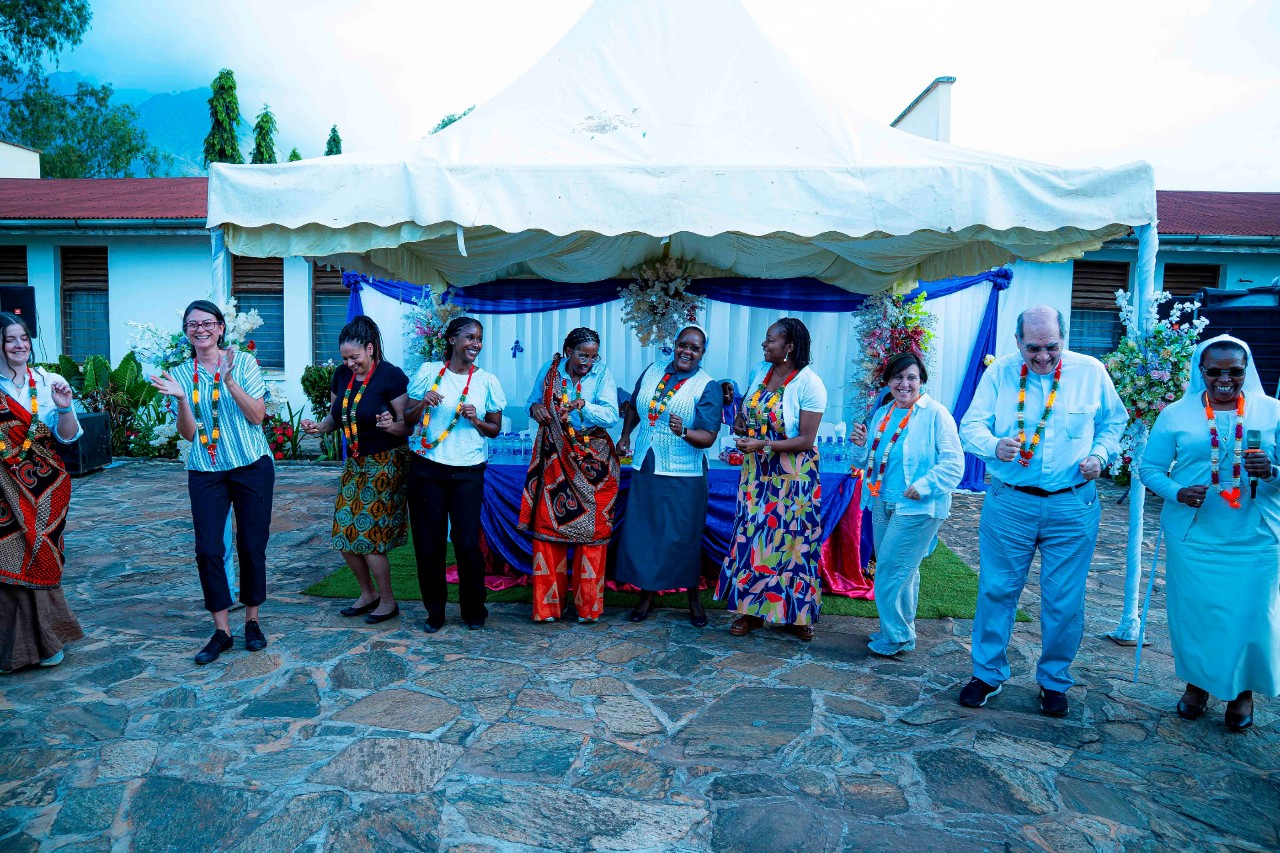
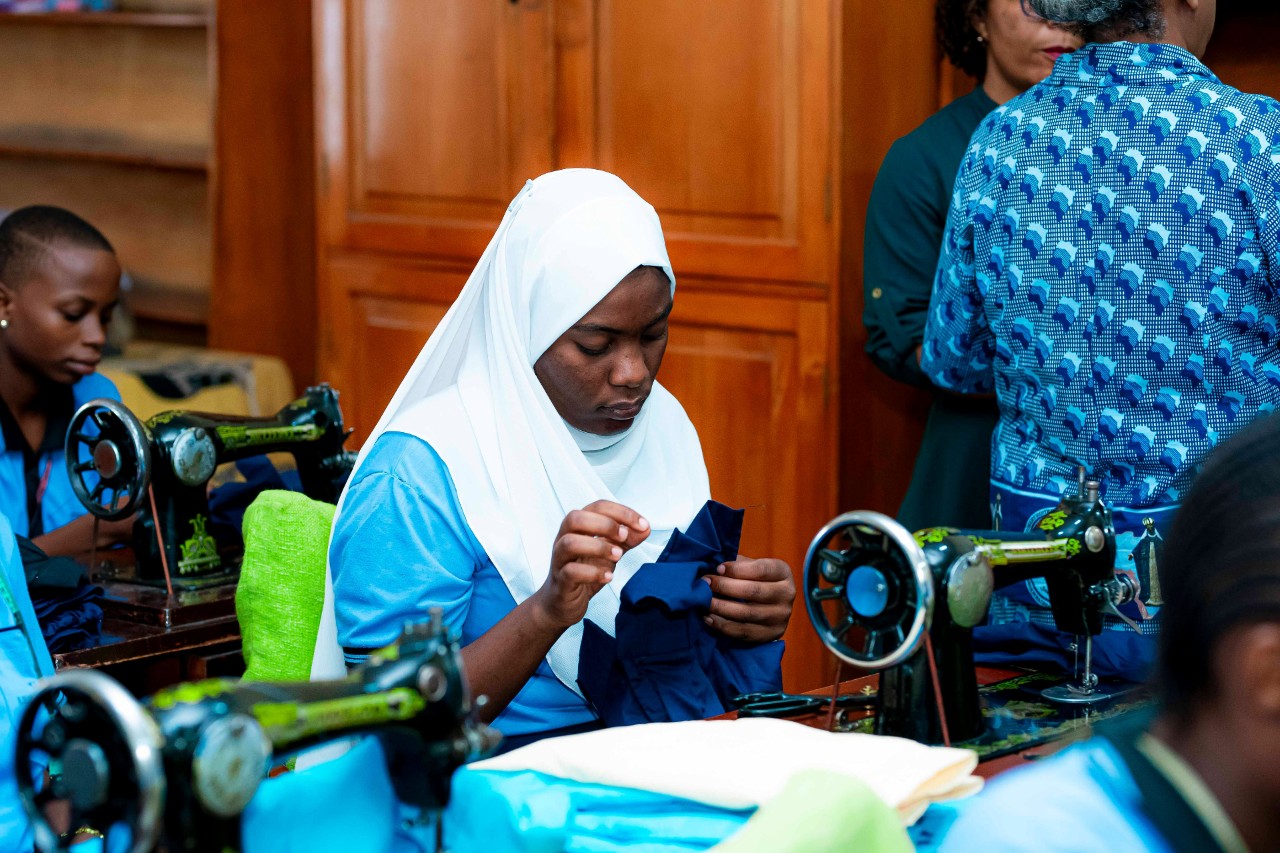
Before the gathering in Dar es Salaam, the delegation travelled to Bigwa. At the Bigwa Sisters Secondary School and the Bigwa Holistic Formation Centre, several communities work together to offer pathways extending from secondary education to university studies and to the preparation of women religious called to responsibilities in formation and governance.
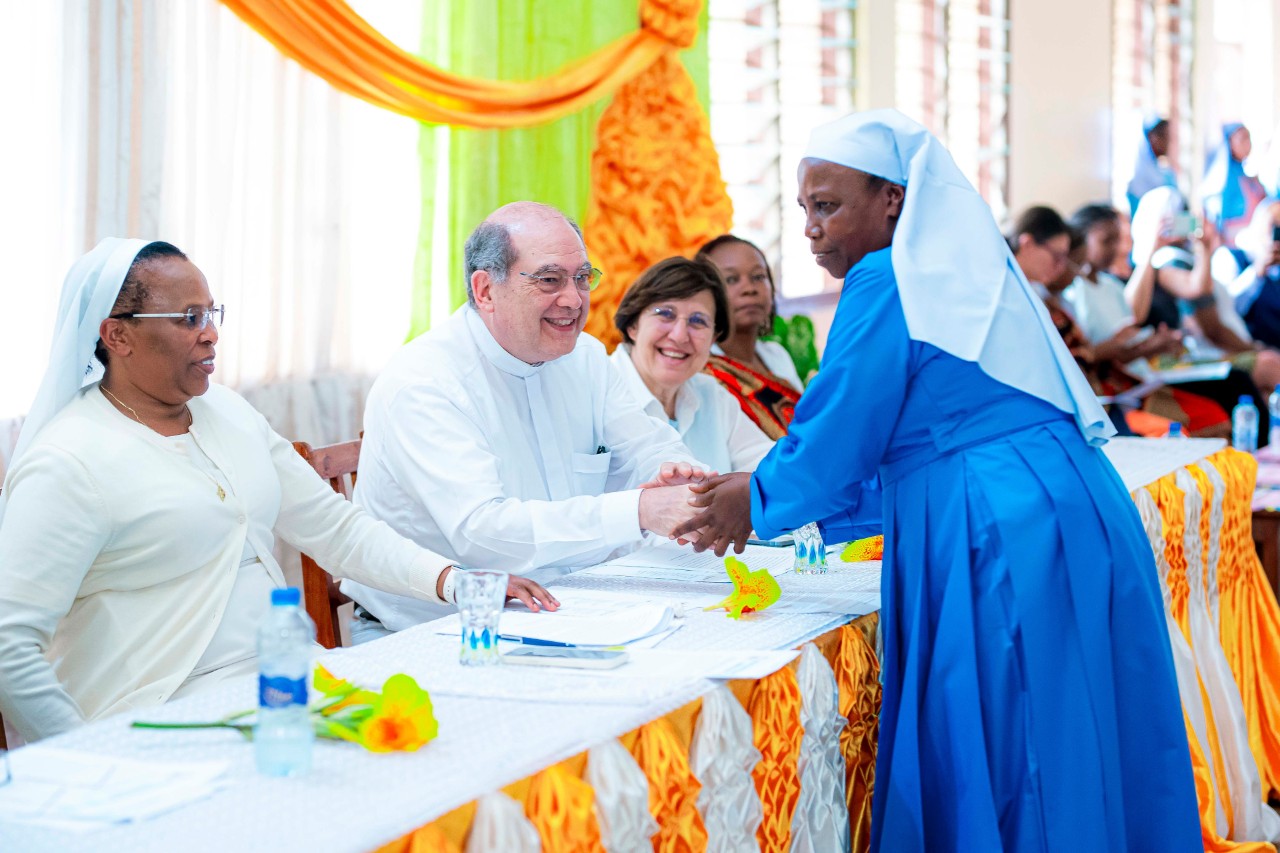
Through the Higher Education for Sisters in Africa — HESA and the Sisters Leadership Development Initiative — SLDI, consecrated women from different congregations are able to continue their studies and prepare themselves for service within their own institutes. The HESA students spoke of university education as a responsibility towards their congregations, the Church, their communities and their countries of origin. Alongside their studies, they take part in catechesis, liturgical life and activities serving the local population.
A young woman from Kilosa District recounted that the support she received at Bigwa and an ASEC scholarship had enabled her to enrol at Saint Augustine University in Mwanza, where she is studying Education. She hopes to become a teacher, support girls from poor families and be “a voice for the voiceless”.
“After receiving this opportunity to grow,” she said, “I am certain that I will, in turn, be able to help other people to grow.”
At Tandale, images become a common language
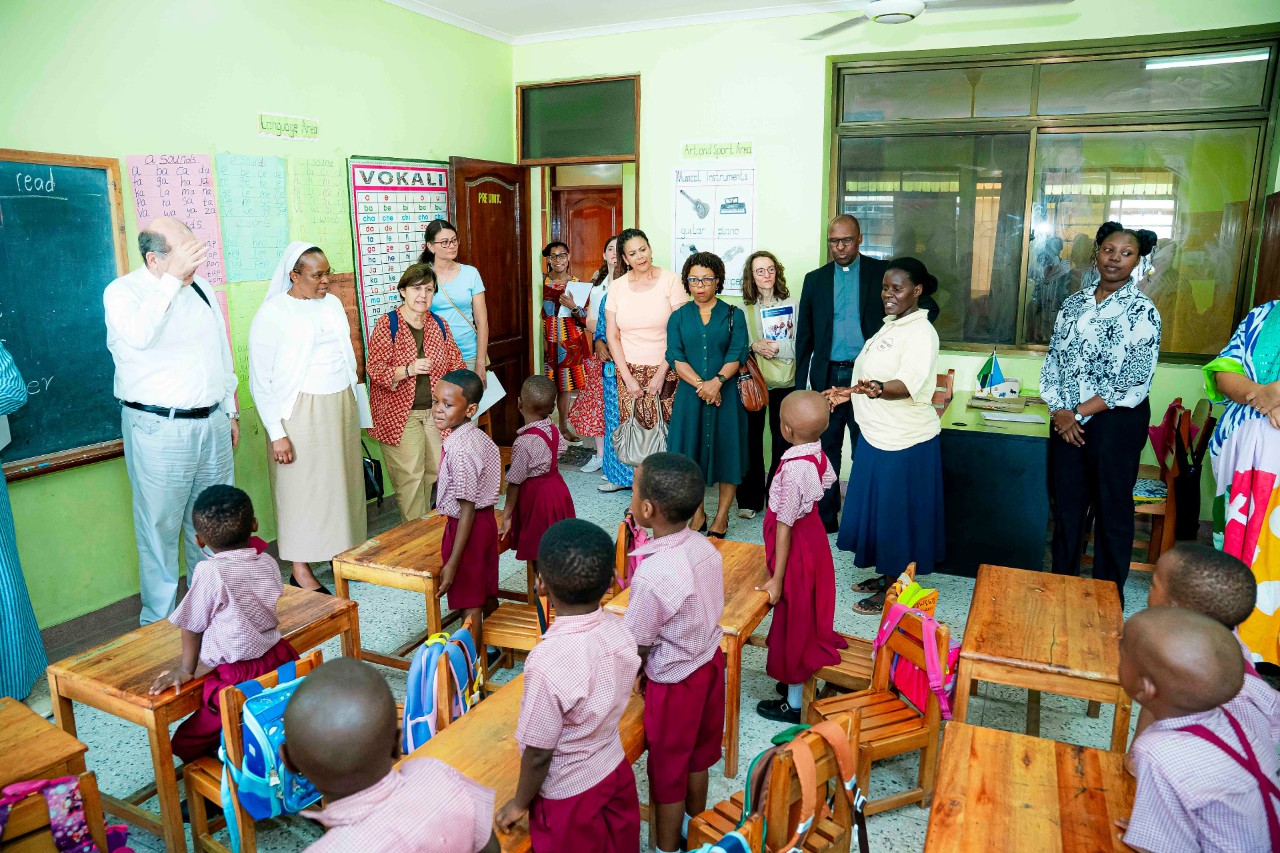
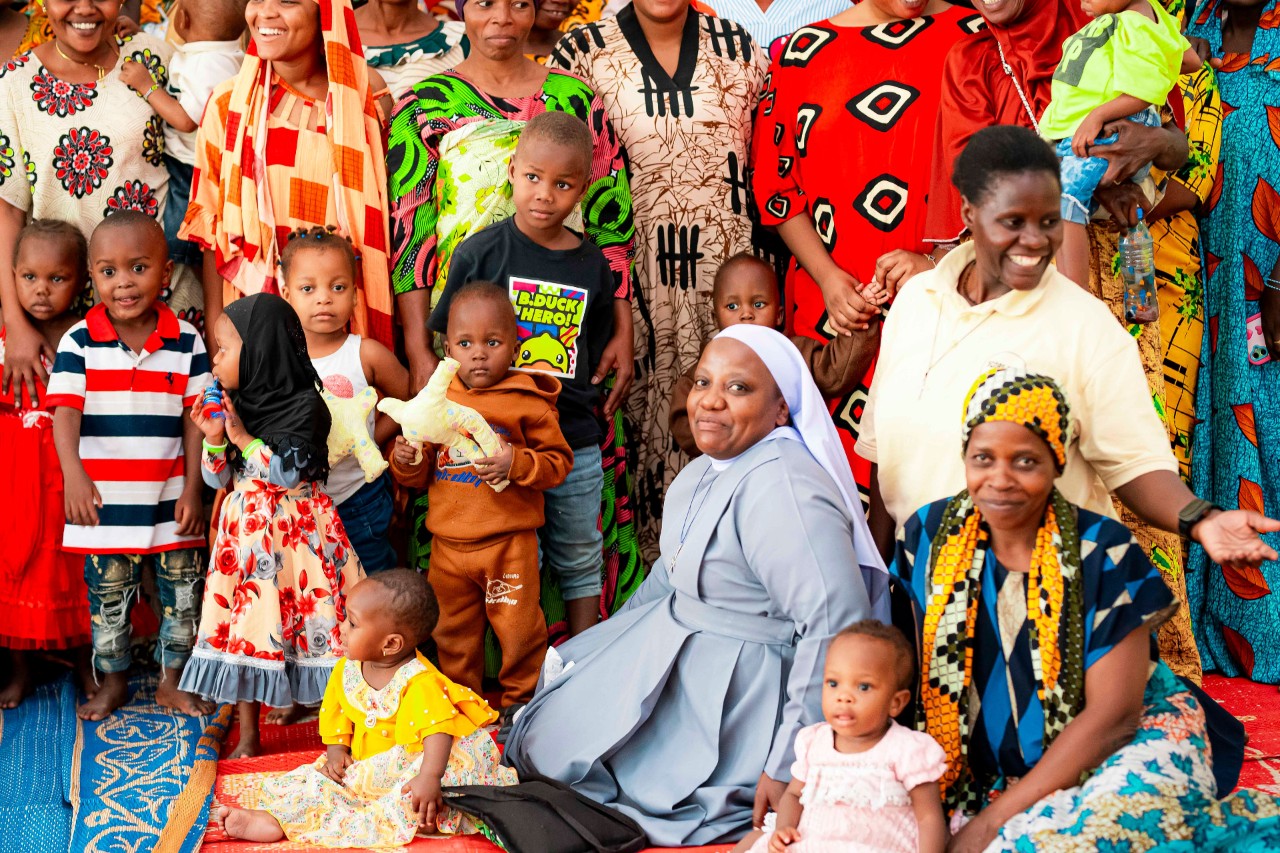
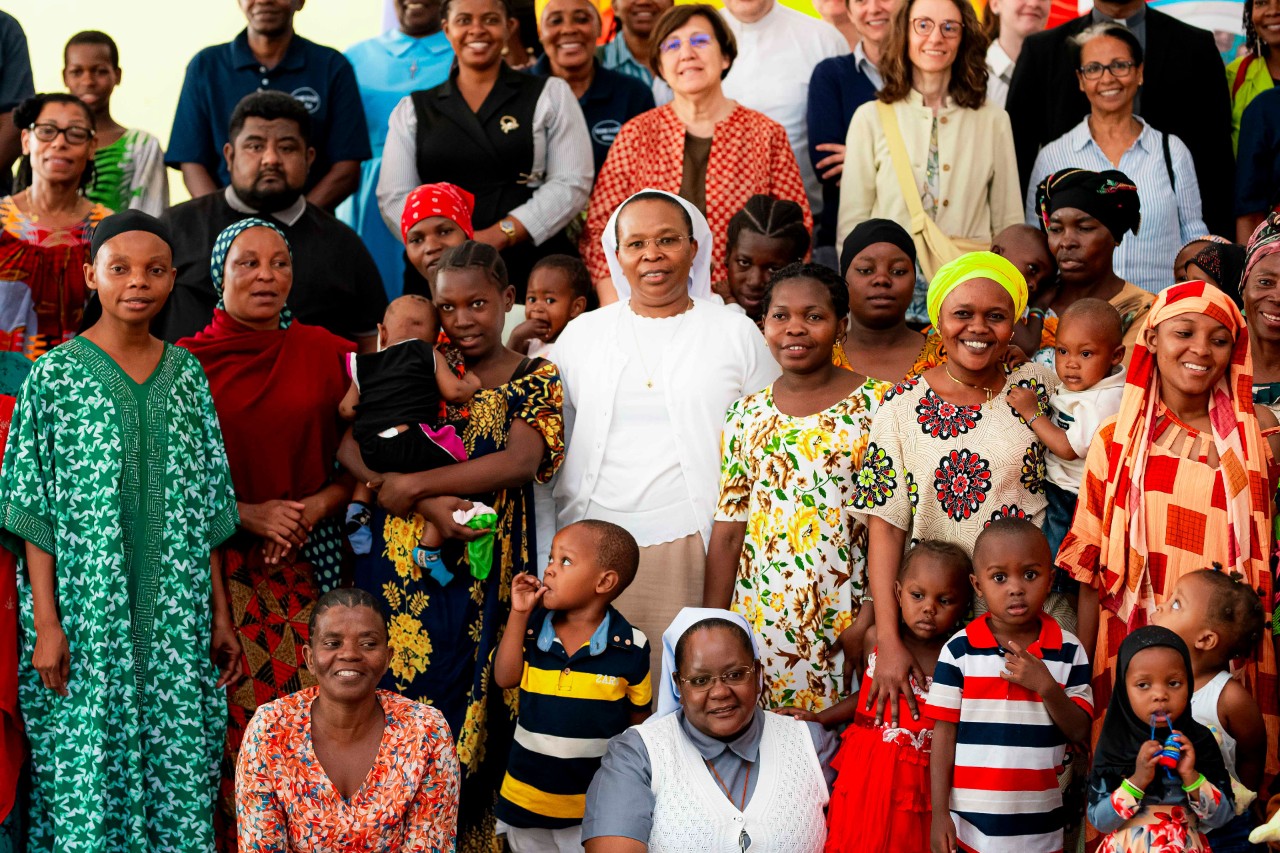
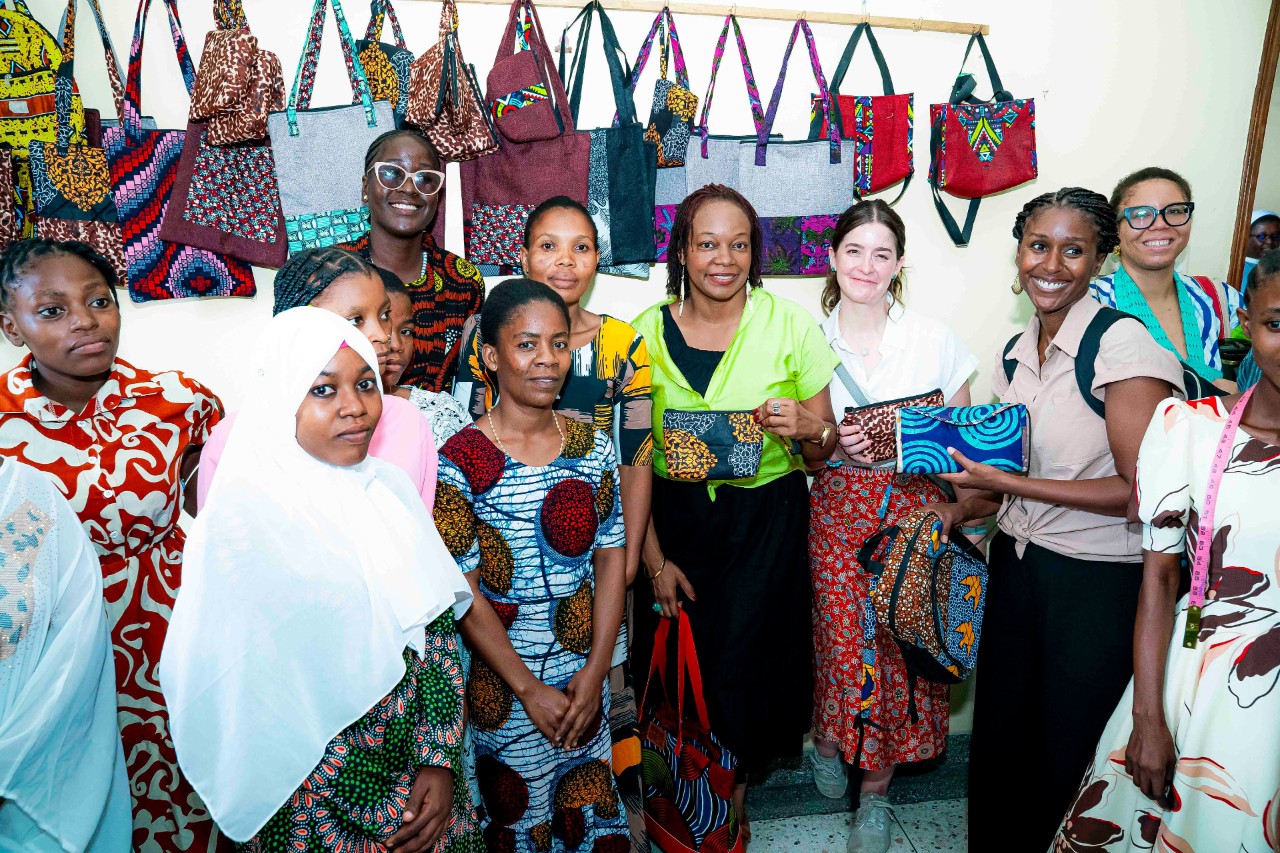
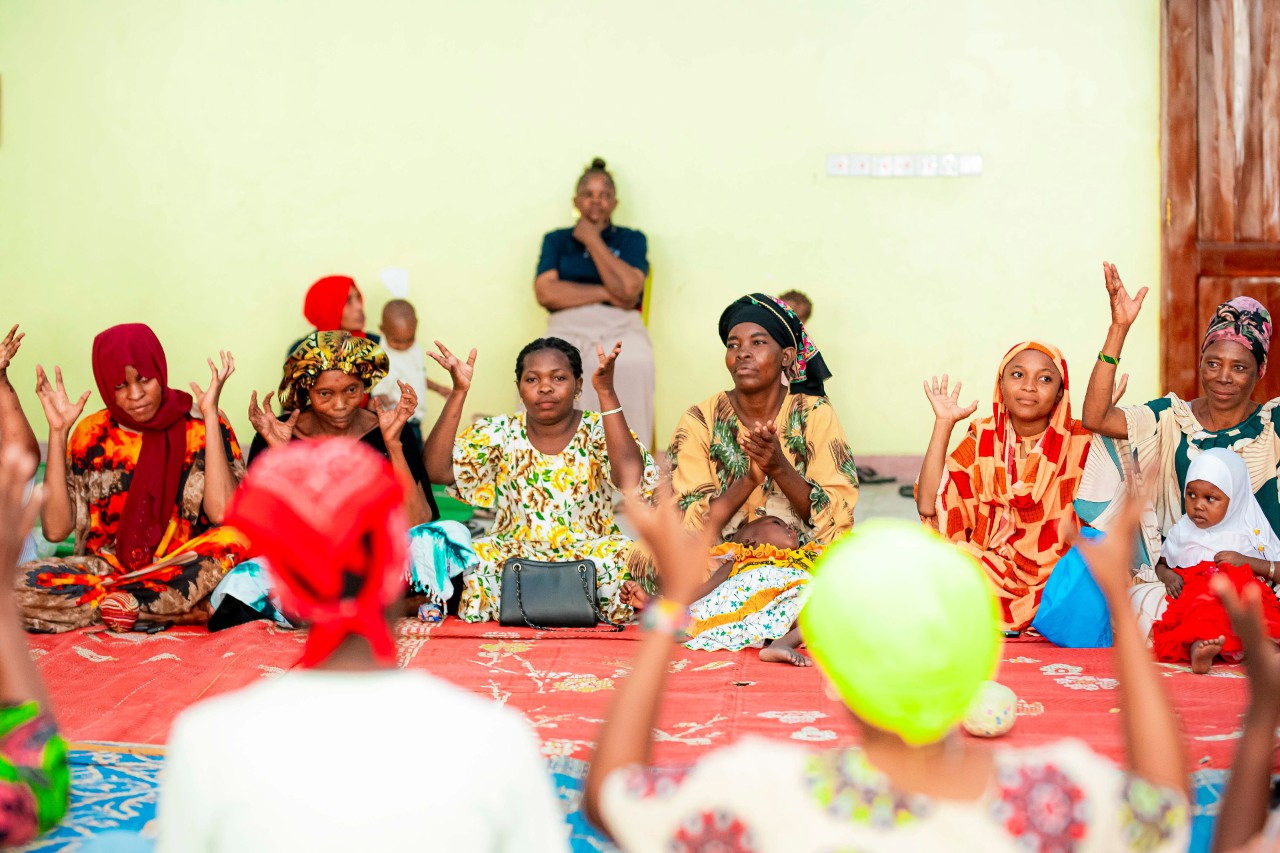
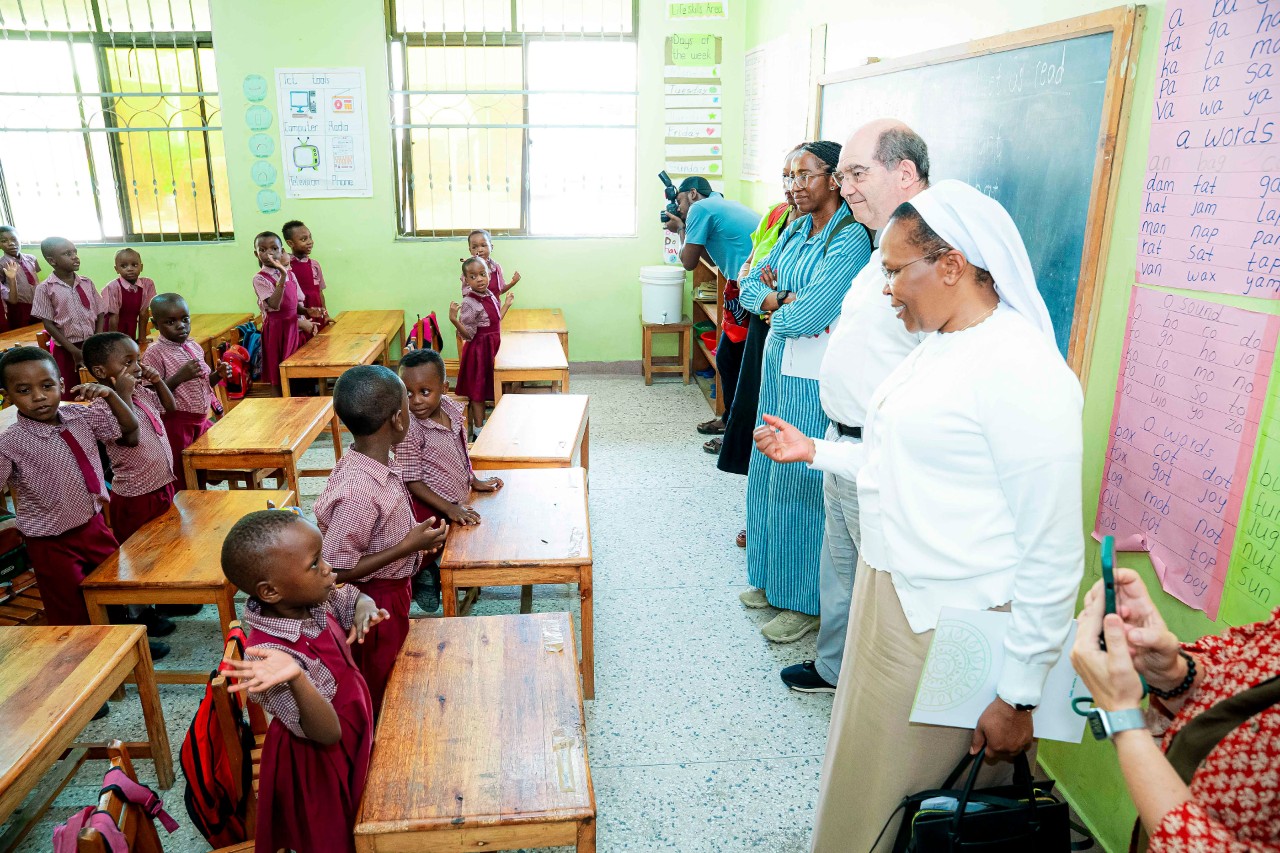
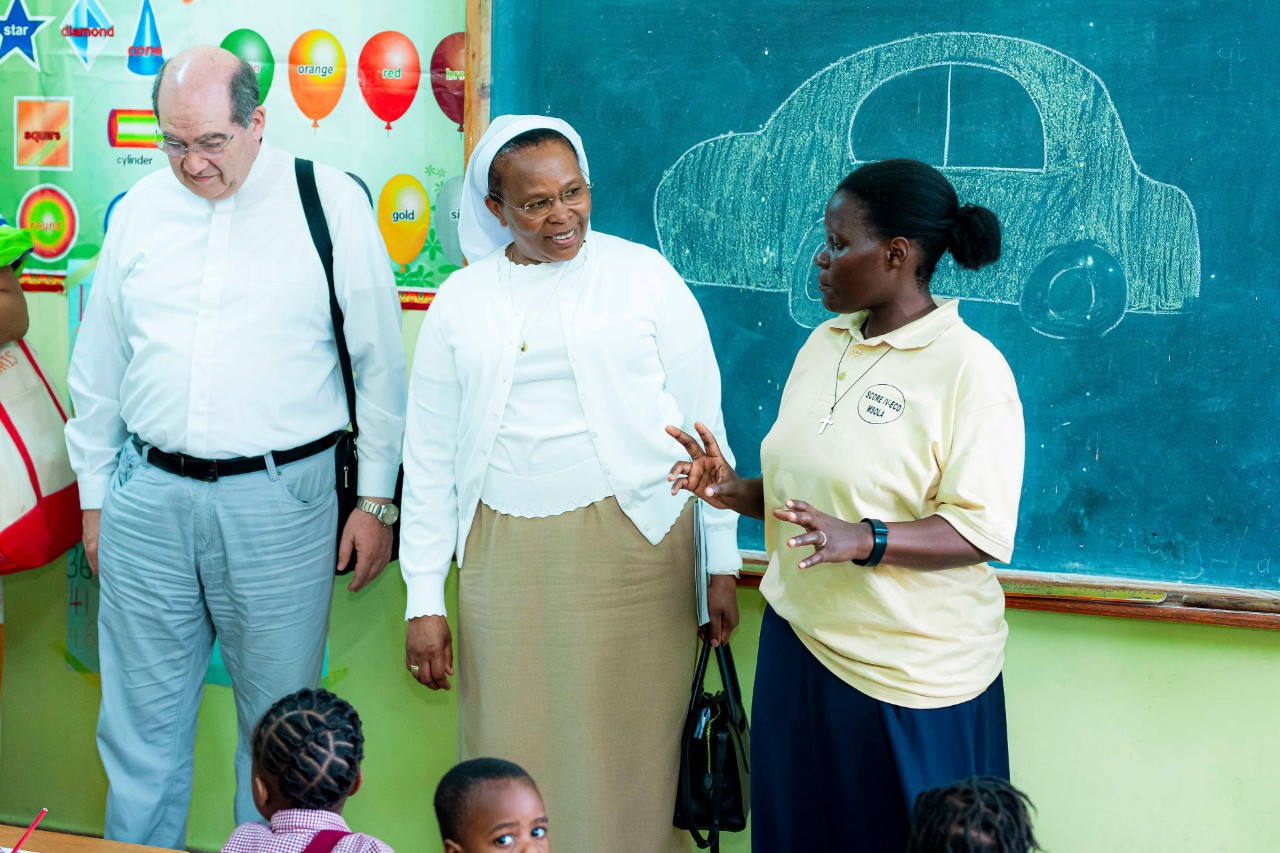
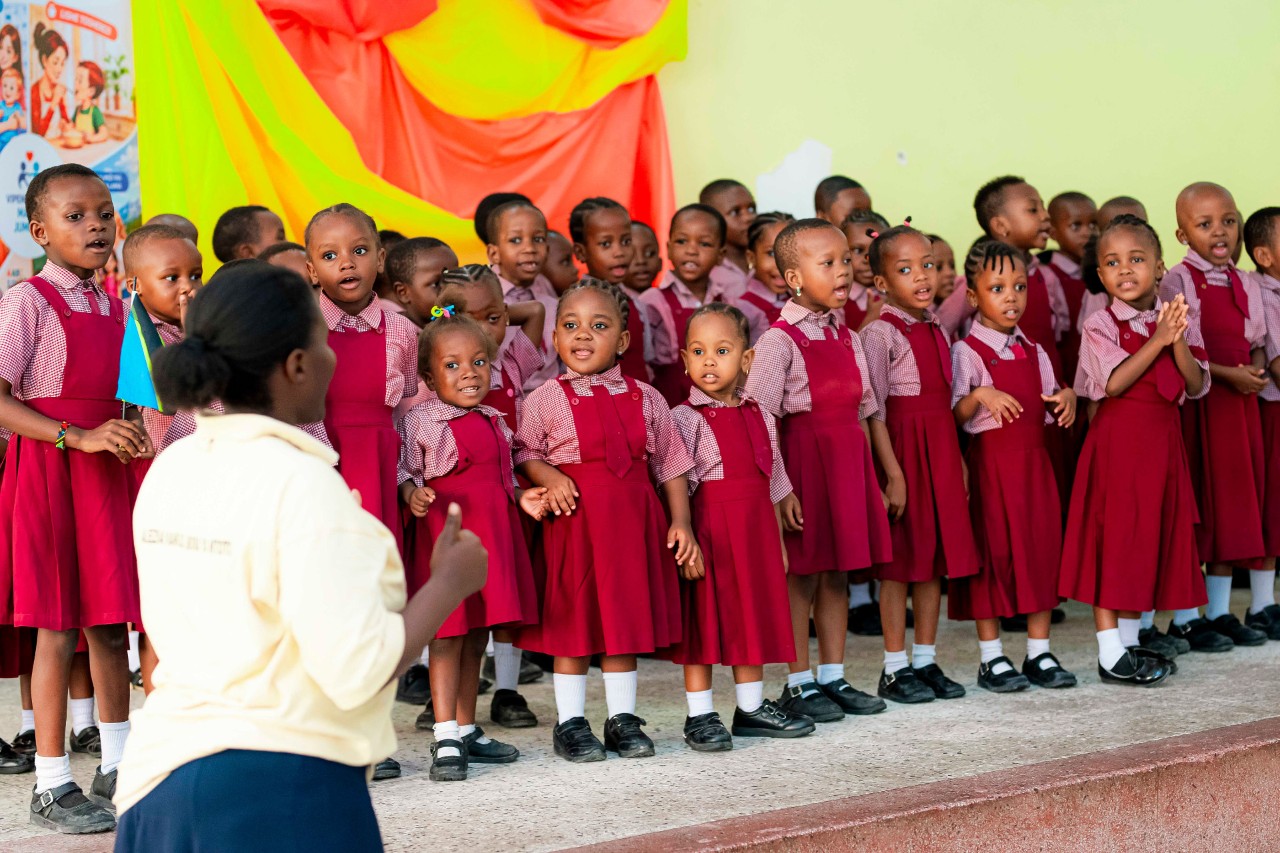
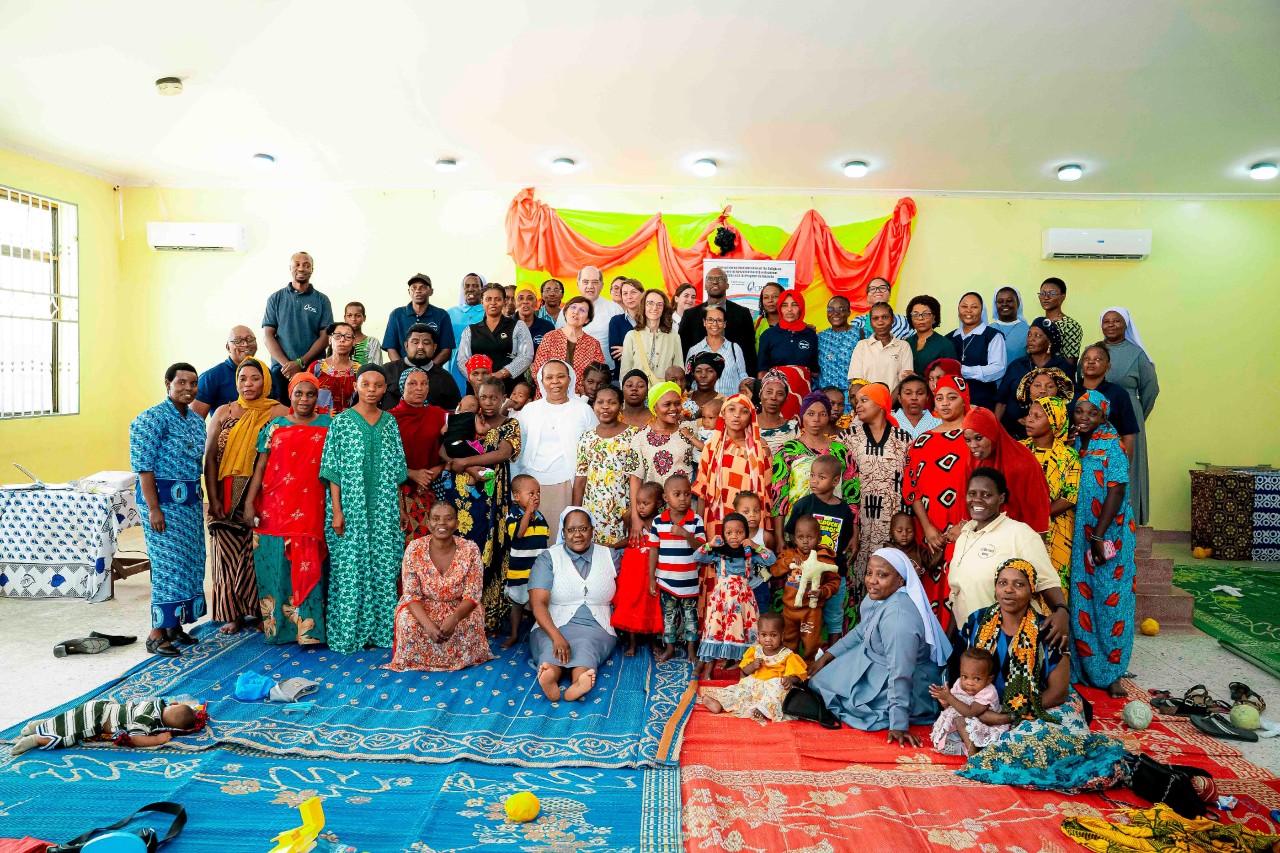
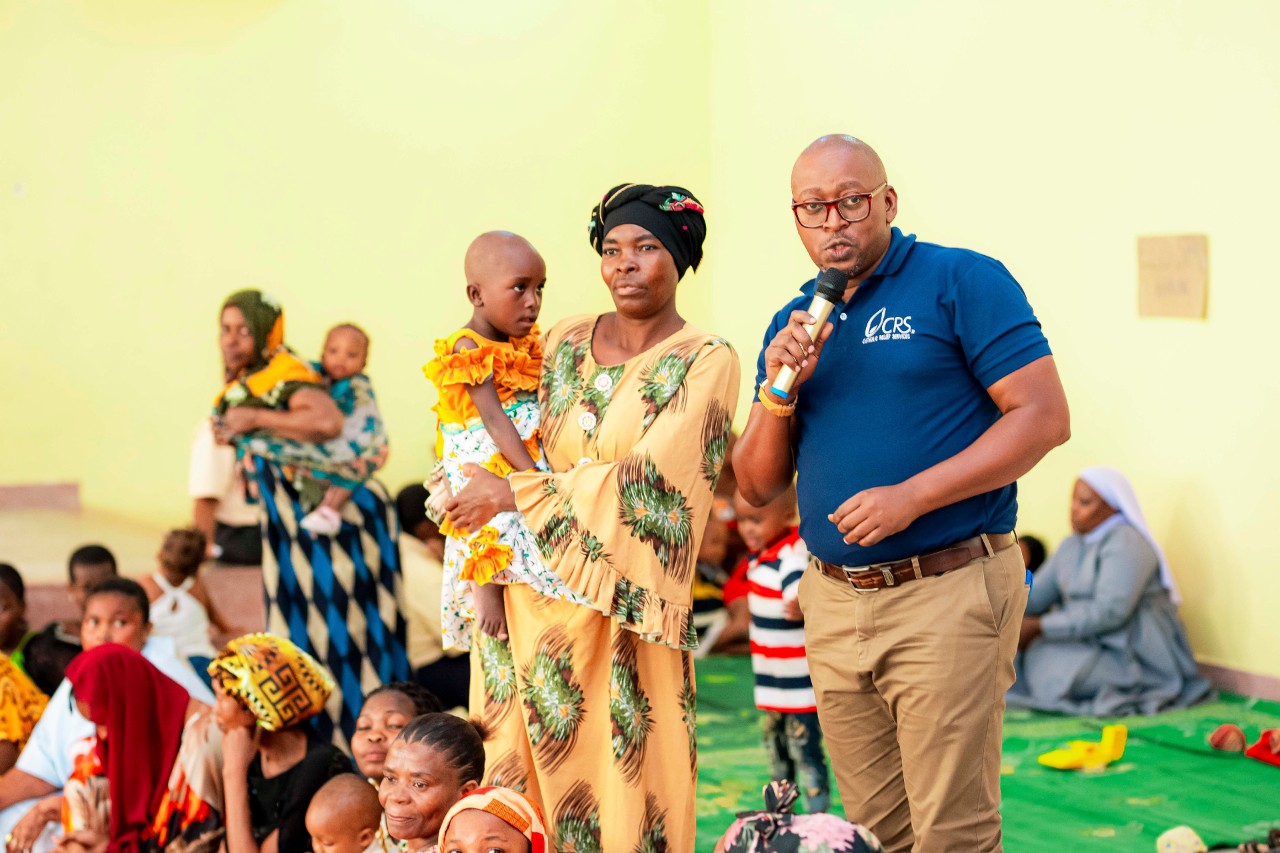
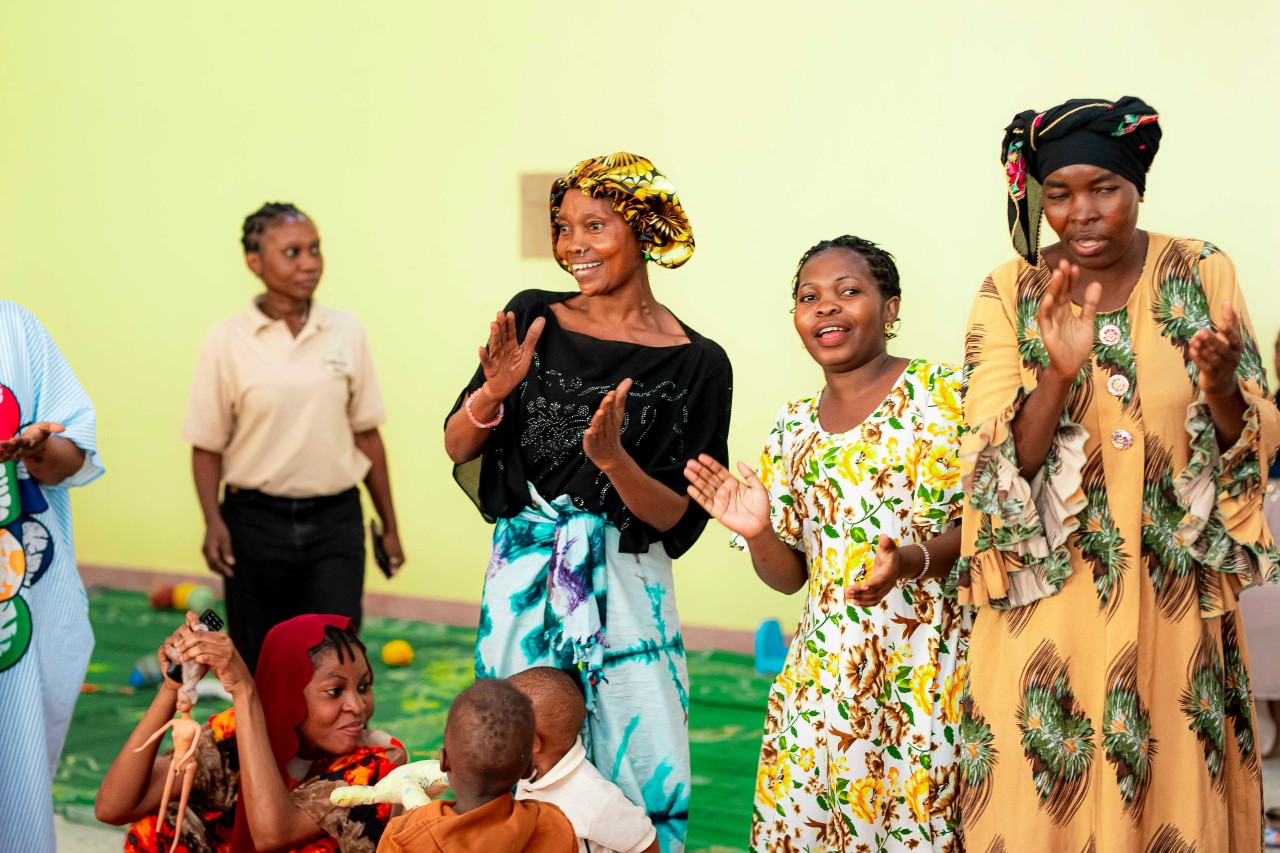
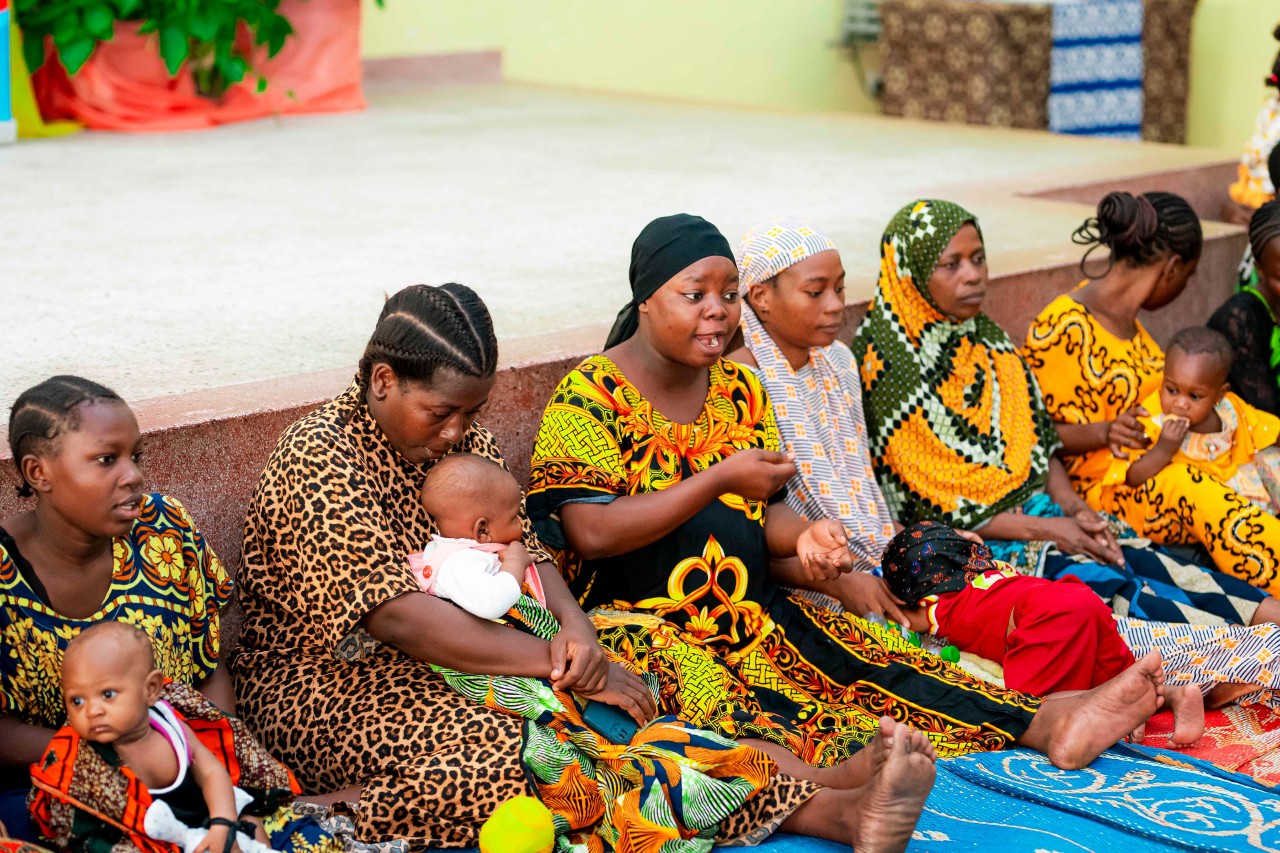
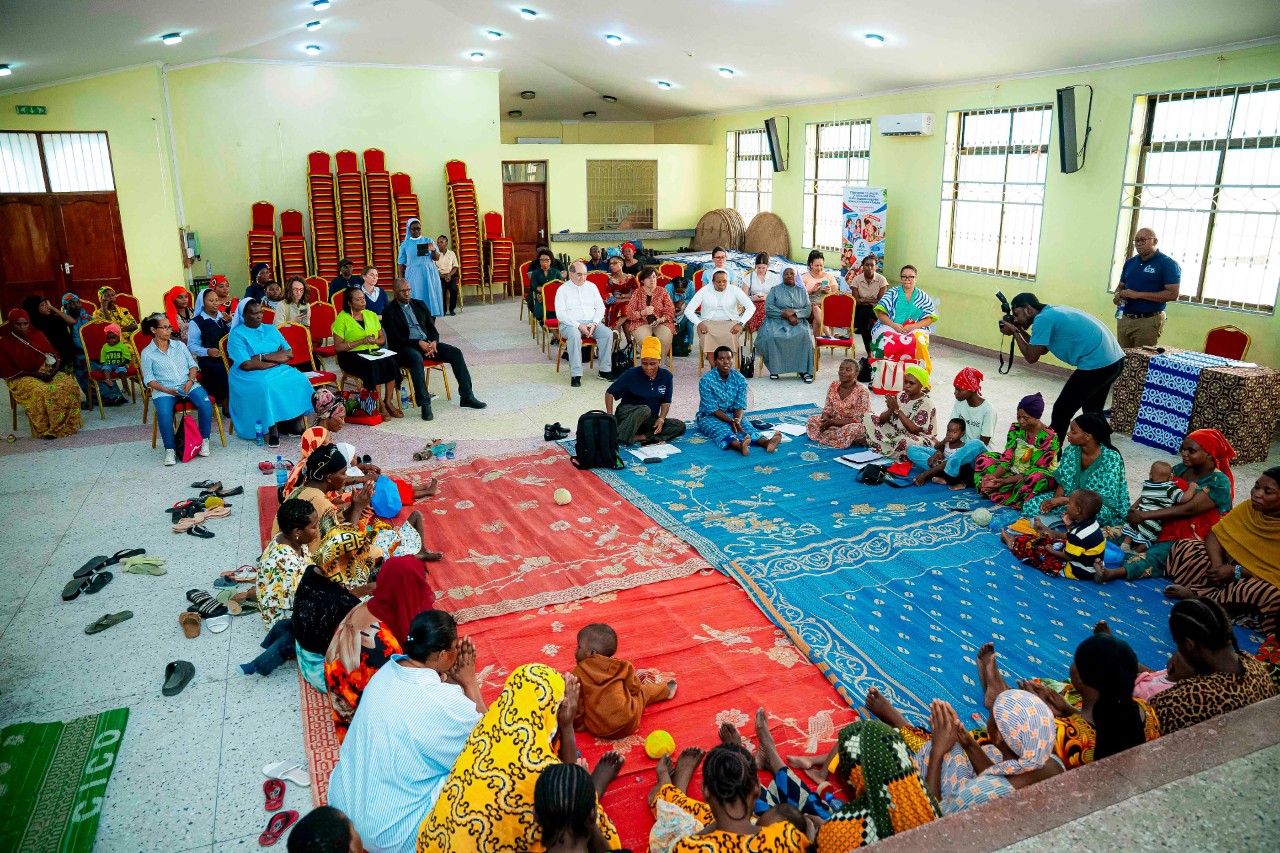
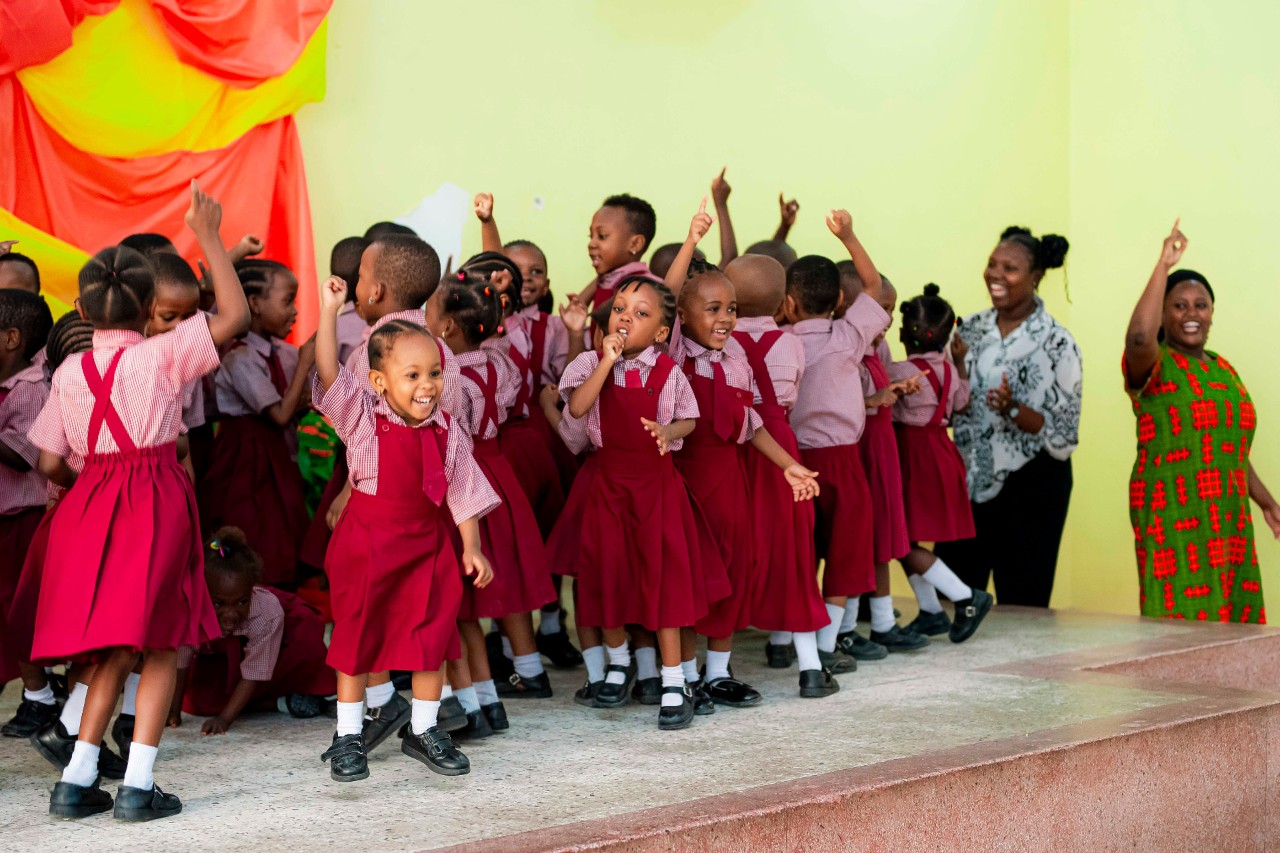
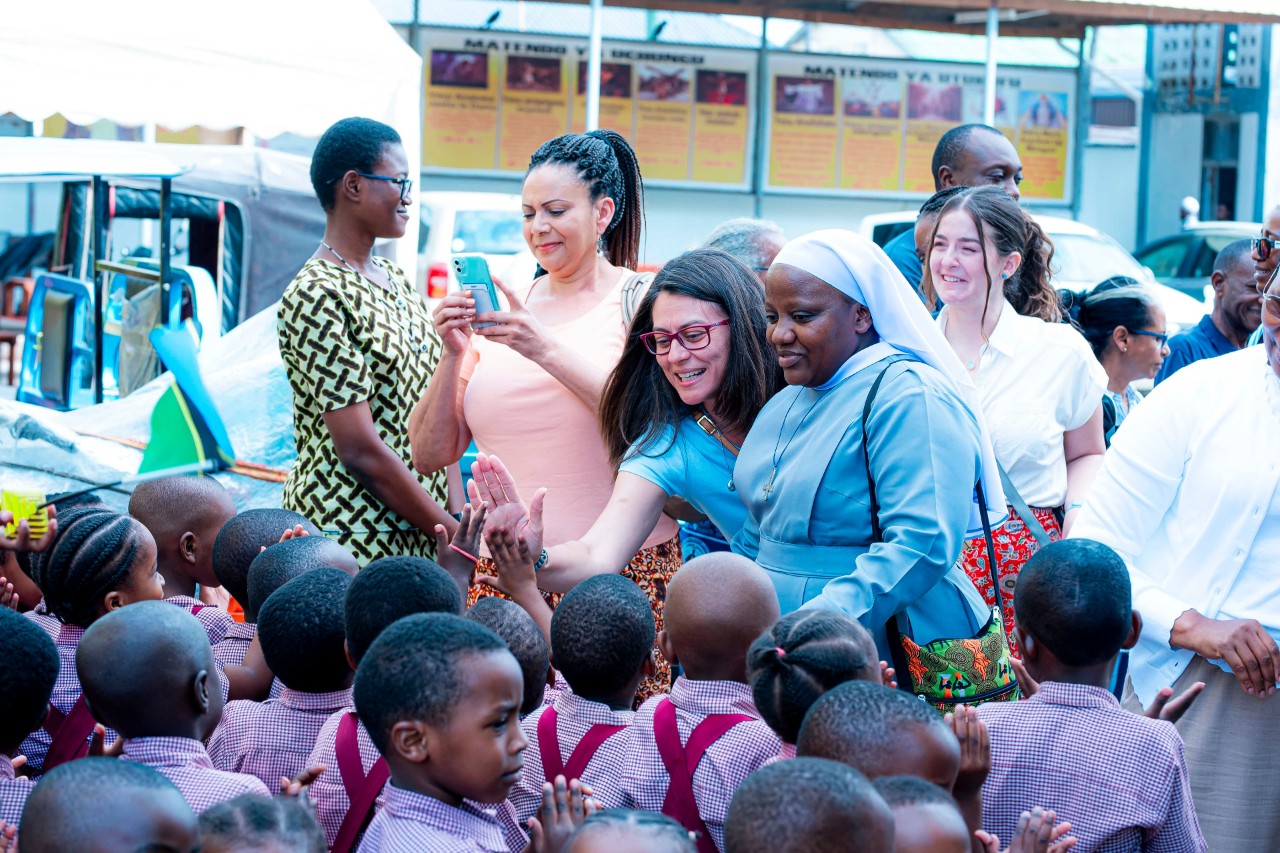
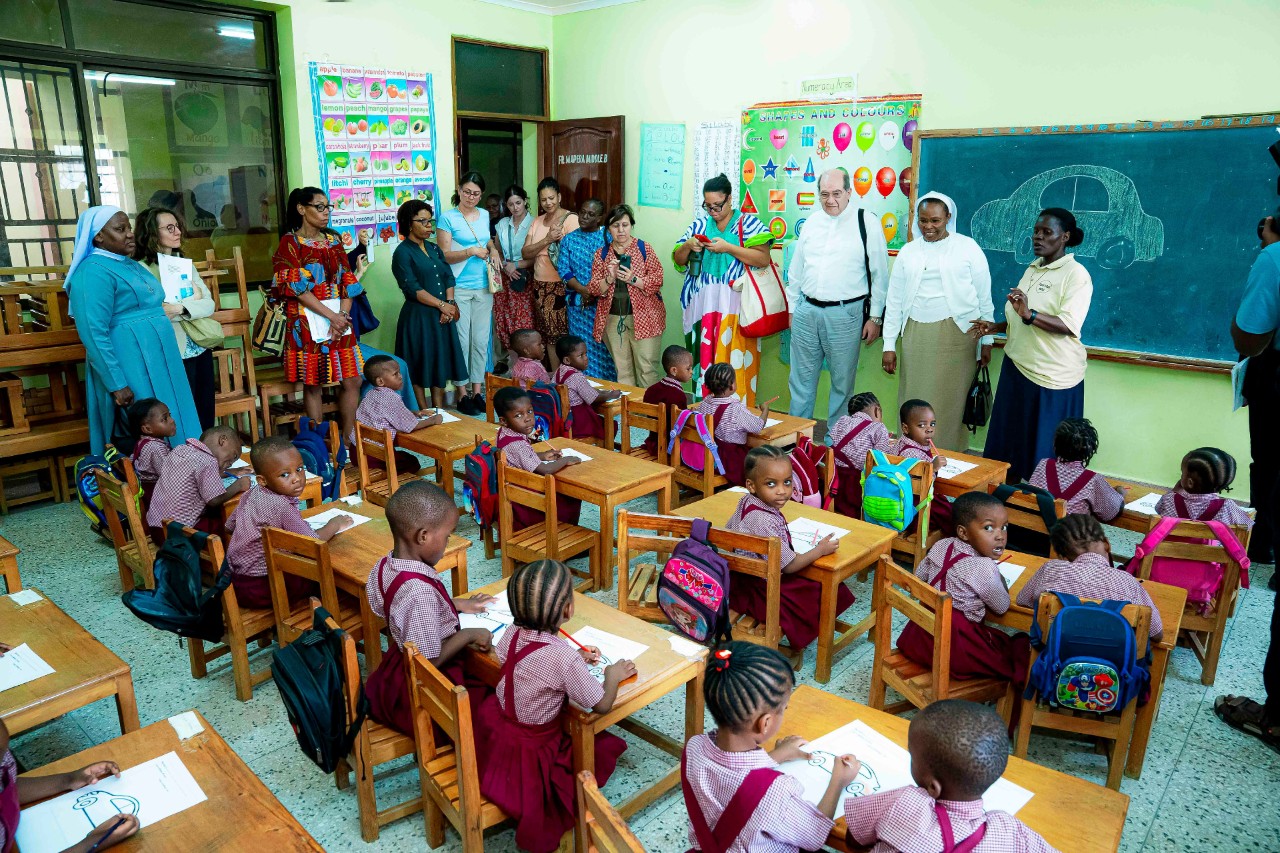
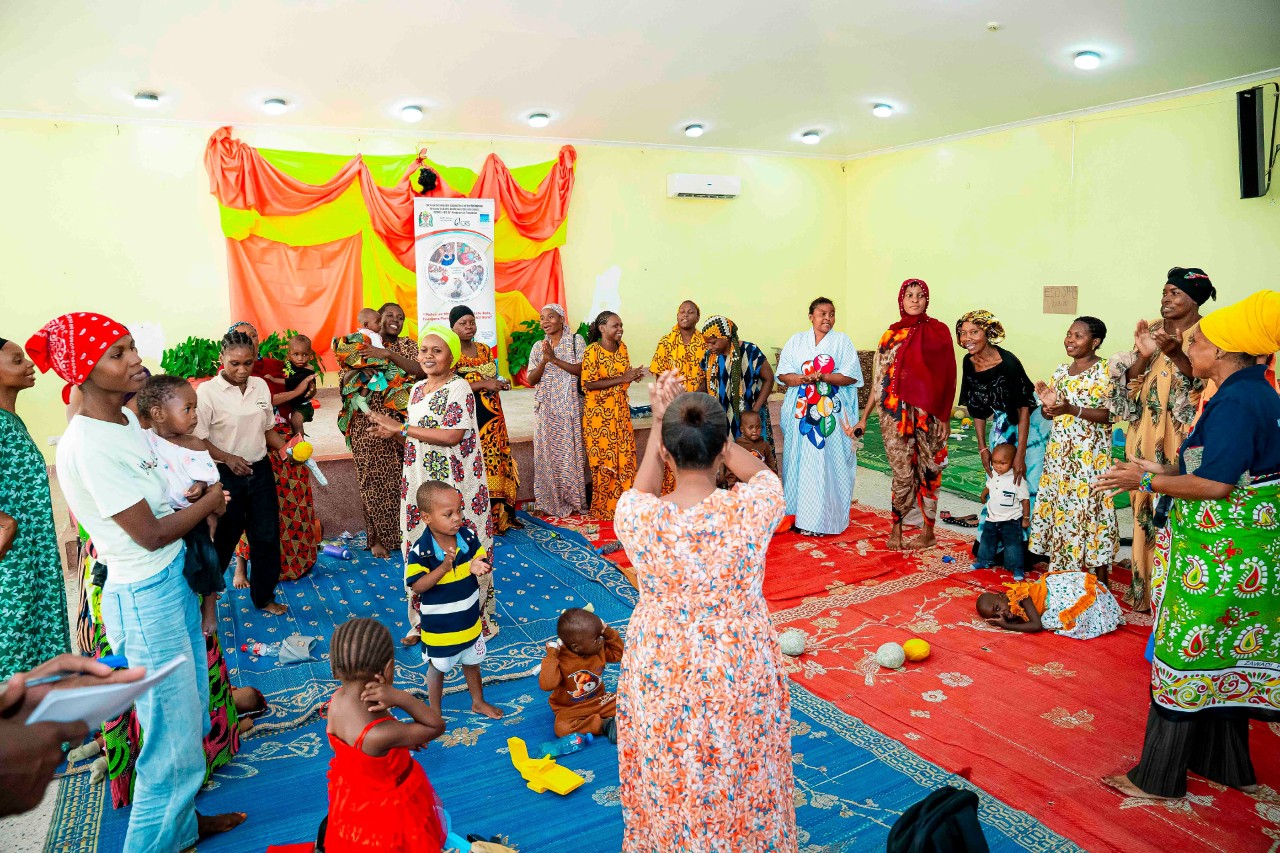
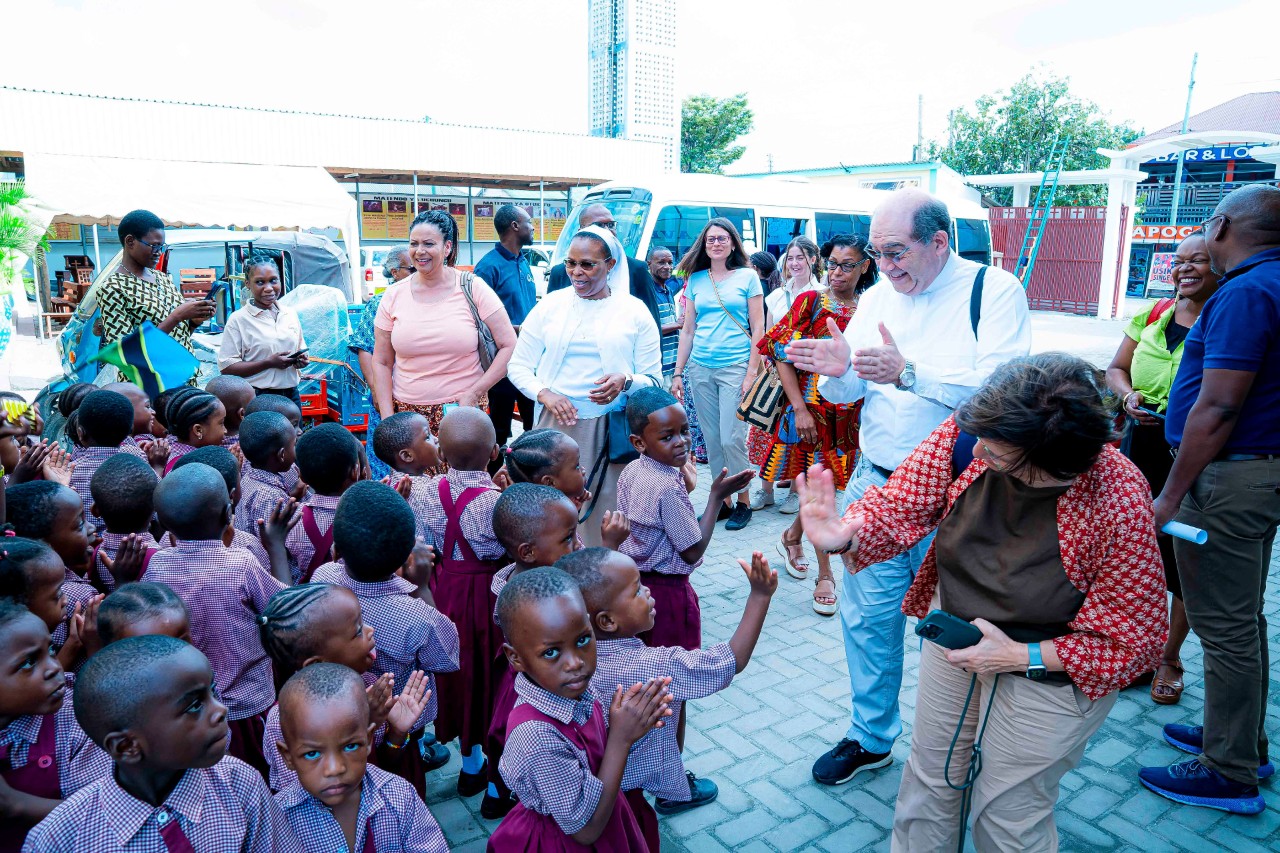
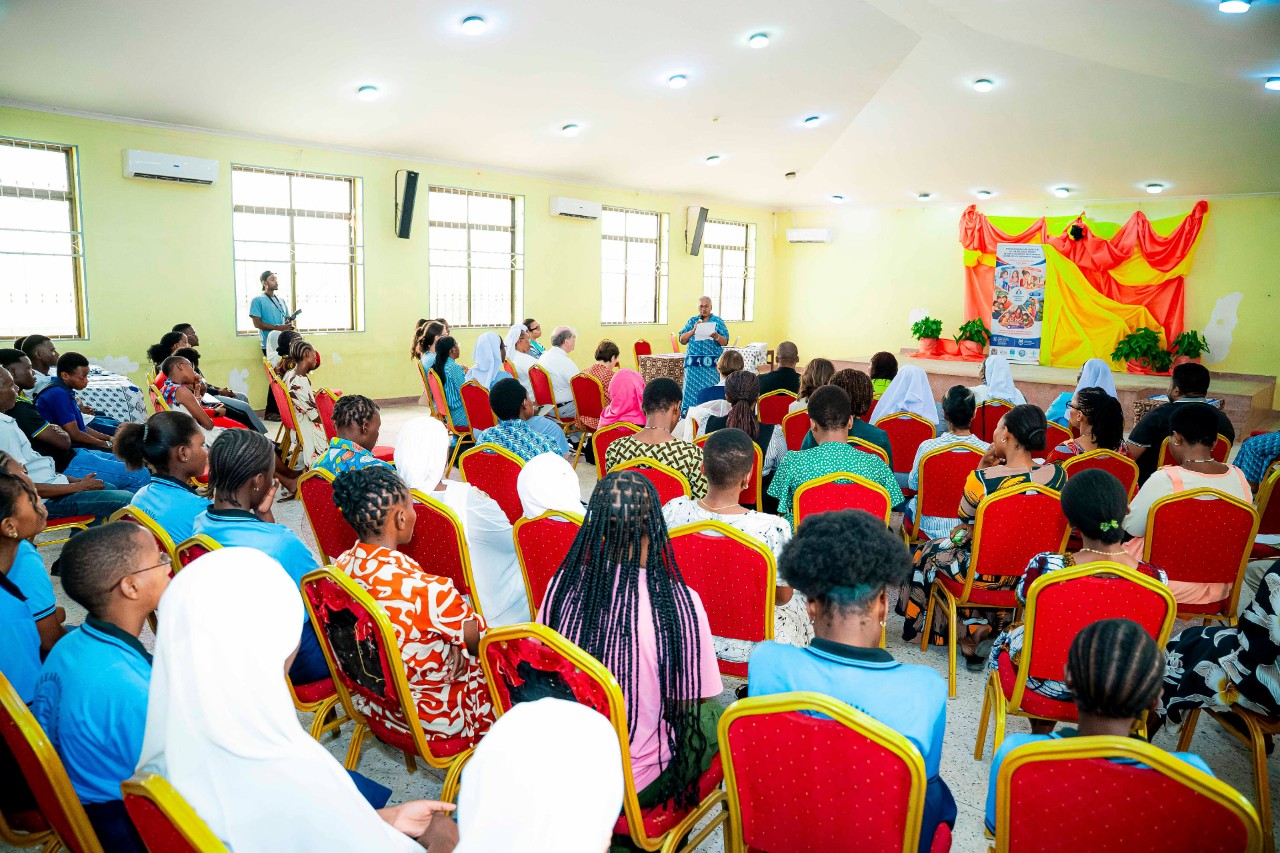
The following day, the delegation visited the Salome Centre, at the Catholic church in Tandale. Here, women religious conduct the Sisters Led Youth Initiative — SLYI, intended for young people living in disadvantaged and vulnerable situations, and the SCORE ECD programme, dedicated to early childhood development.
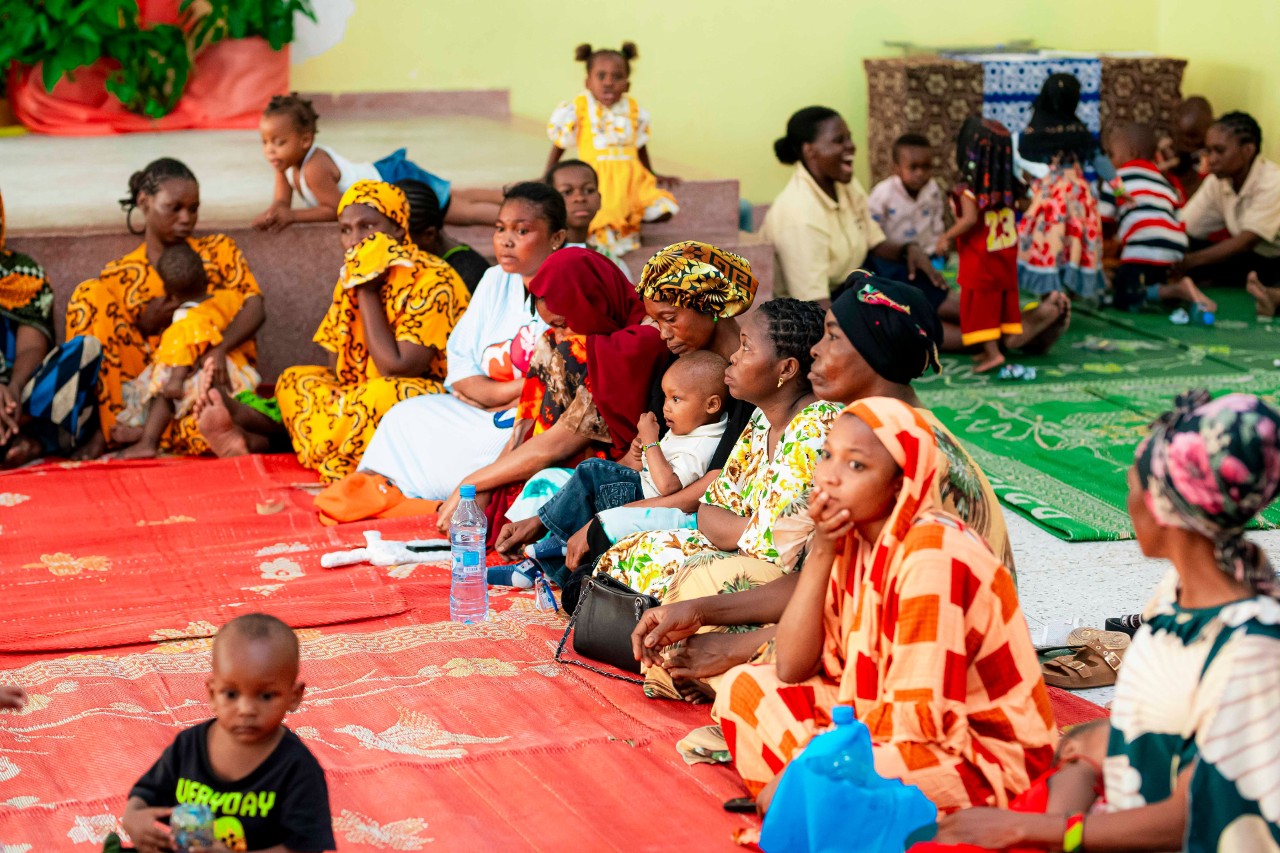
The programmes involve young people, mothers and children. Christian and Muslim women take part and are welcomed without distinction on the basis of religious affiliation.
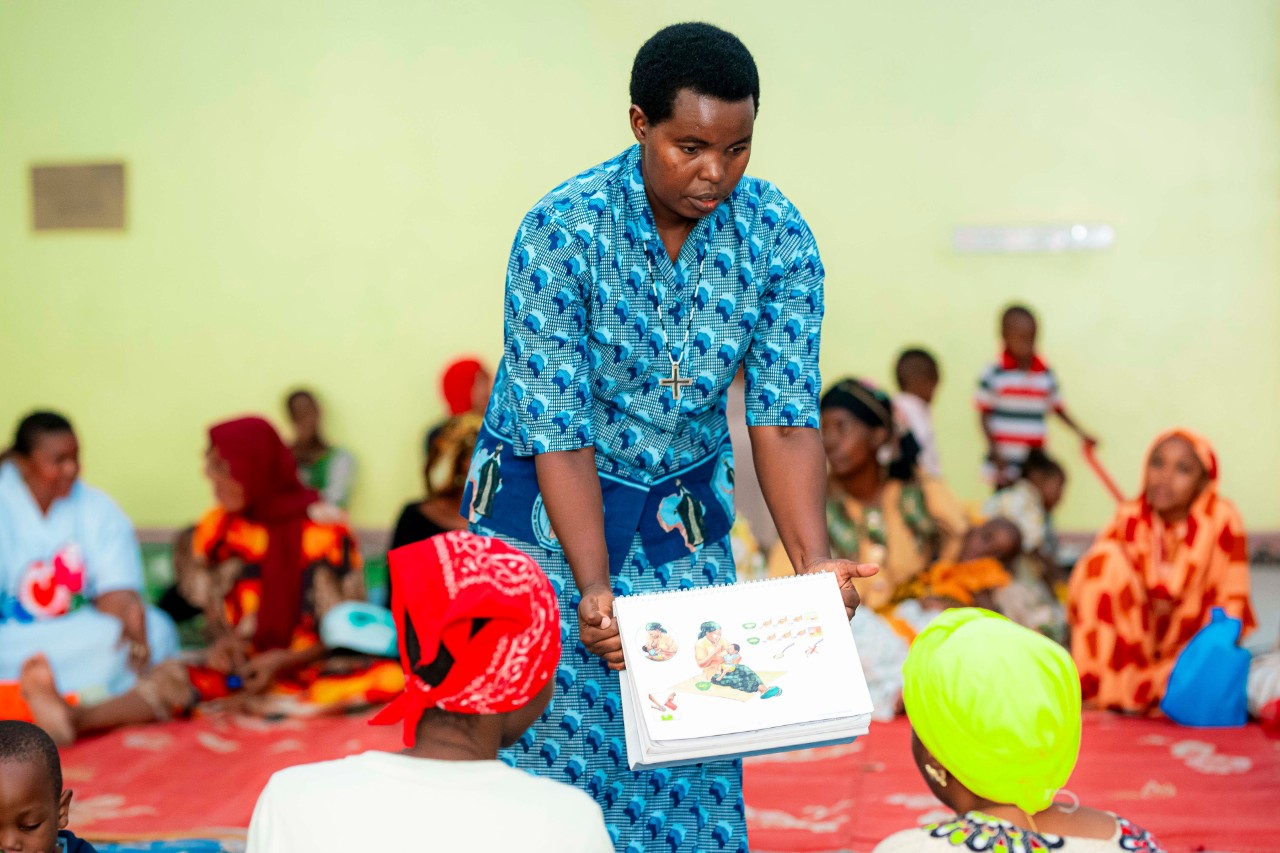
Some of them have not had the opportunity to learn to read and write. Images therefore become an essential means of speaking about health, nutrition, growth and the care of children. Formation engages with people’s lives, with their actual possibilities and with the forms of language that allow each person to participate.
At Bigwa, study prepares women to assume new responsibilities. At Tandale, what is learned reaches families and the most vulnerable. In both places, different congregations work in the same direction.
Behind the works, a discreet service
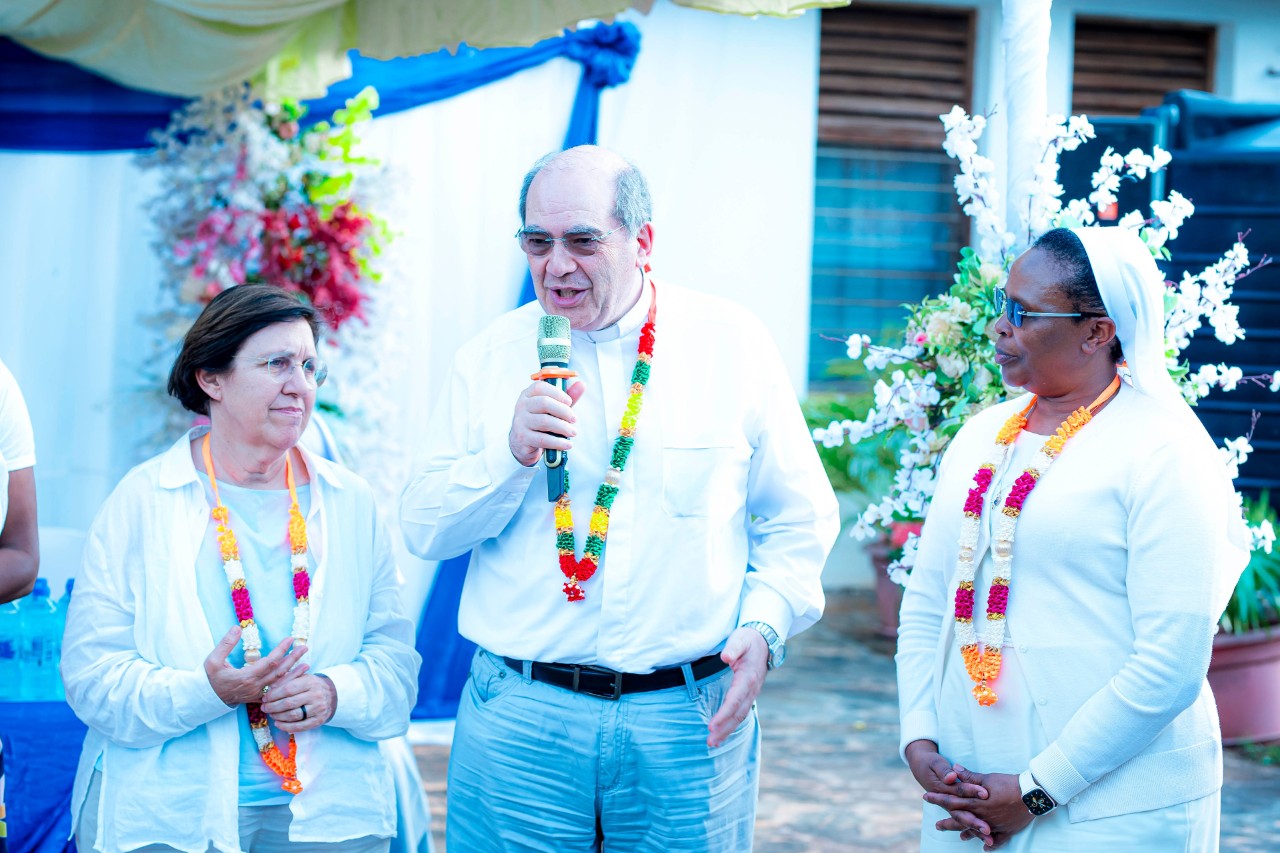
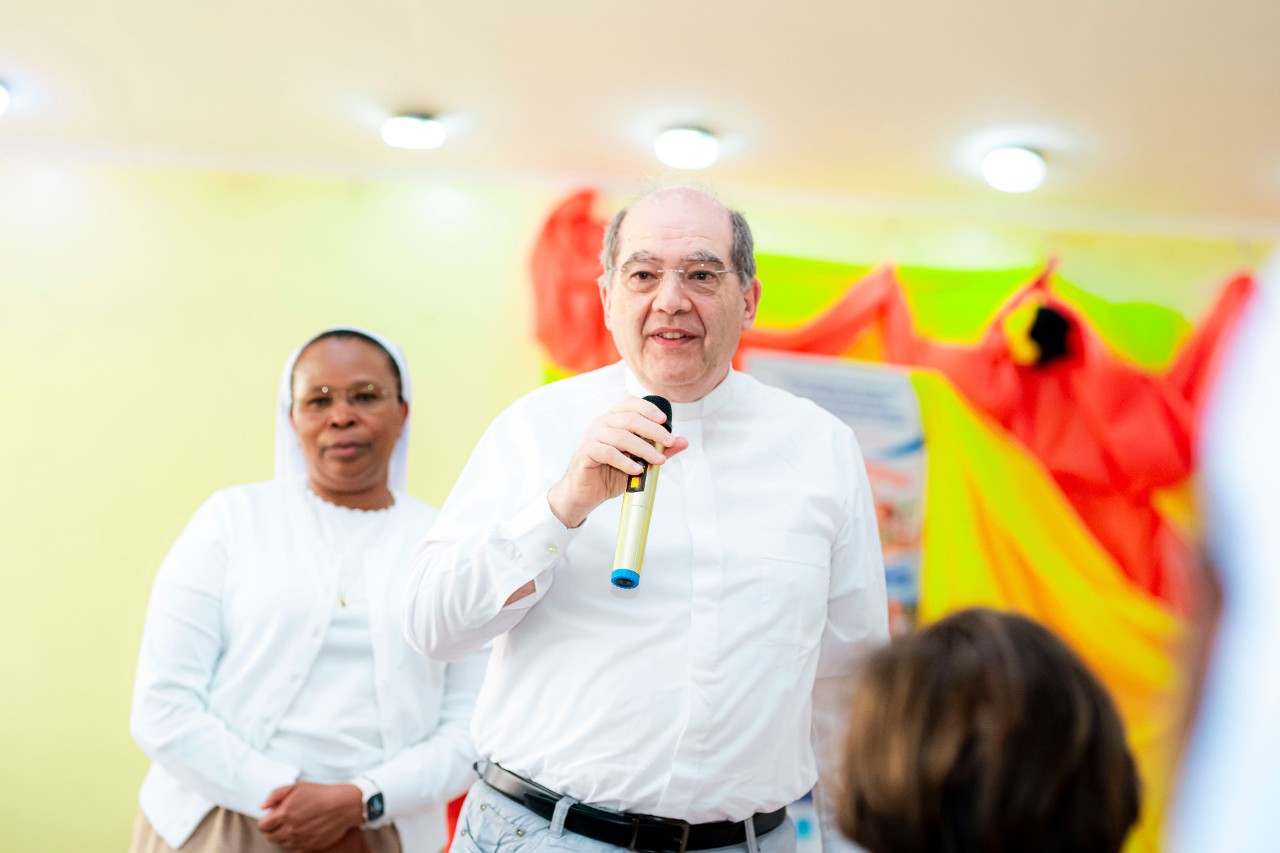
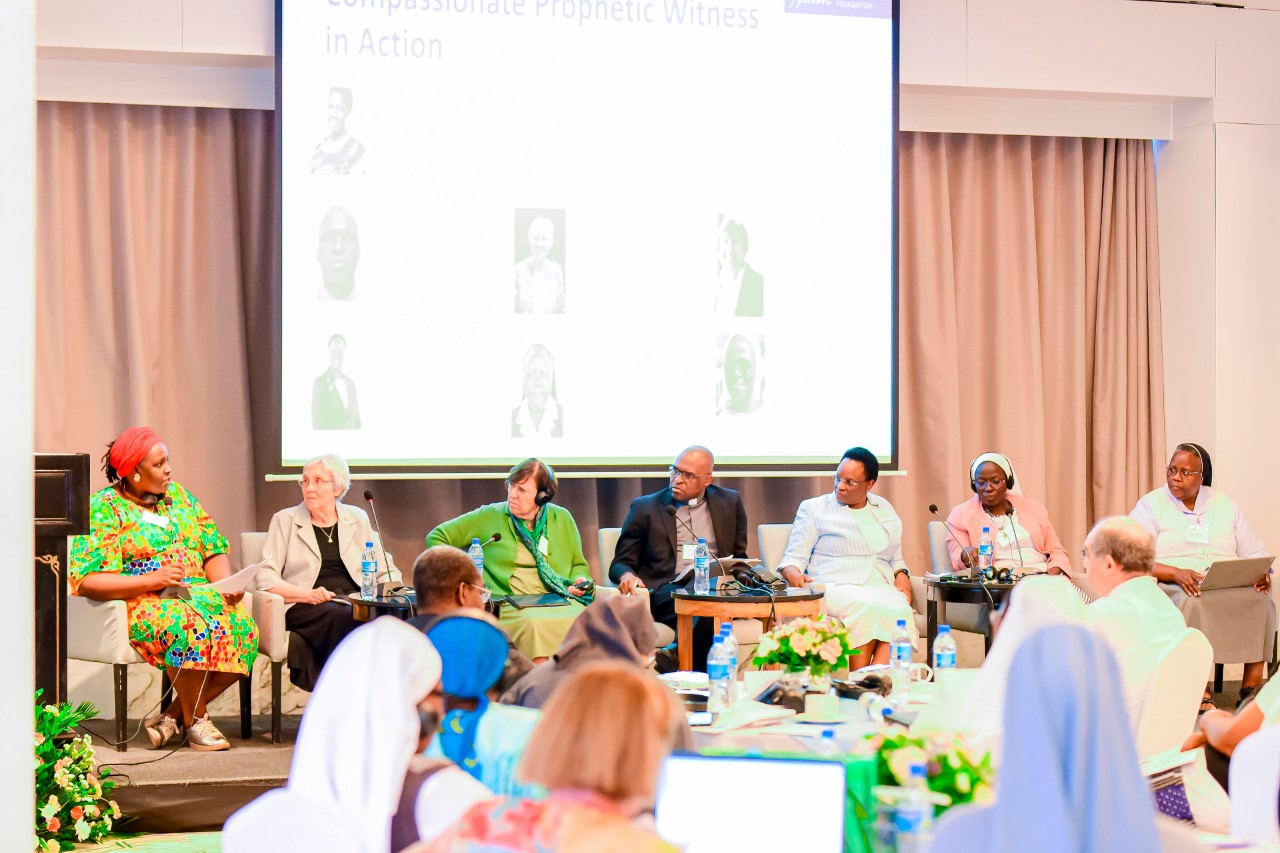
During the panel discussion devoted to “prophetic and compassionate witness in action”, Daniela Leggio presented the service of the Dicastery to the consecrated women gathered in Dar es Salaam.
Behind a community of sisters running a school in a rural area; behind women religious standing alongside people forced by war to leave their homeland; behind young consecrated men and women seeking adequate formation despite limited resources; behind communities in which people of different ages, cultures and outlooks learn to live relationships founded on the Gospel, there is the often discreet and little-known work of the Dicastery, which accompanies this plurality of vocations, charisms and missions.
The Dicastery is called to “promote, animate and regulate” the different forms of consecration, to support formation and discernment, to help communities renew themselves, to foster healthy relationships and to safeguard every person.
It is a work carried out through listening, study, dialogue, visits, juridical acts and discernment. It also engages with the most fragile situations: institutes marked by a decline in membership, difficulties in governance, internal tensions, abuse or processes of renewal that require time and accompaniment. In these cases, the Dicastery seeks, together with the institutes, paths capable of bringing realism and hope together, just as happens at Bigwa and Tandale.
Journeying together
“Thank you for walking with us on this journey of education, formation and service,” the HESA students said.
In response to their words of thanks, the Dicastery expressed its own gratitude to the Tanzania Catholic Association of Sisters, the Conrad N. Hilton Foundation, the programme leaders and the communities that welcomed the delegation. Their collaboration supports that service of “going forth” which enables the Dicastery to reach the places where consecrated women and men live and carry out their mission.