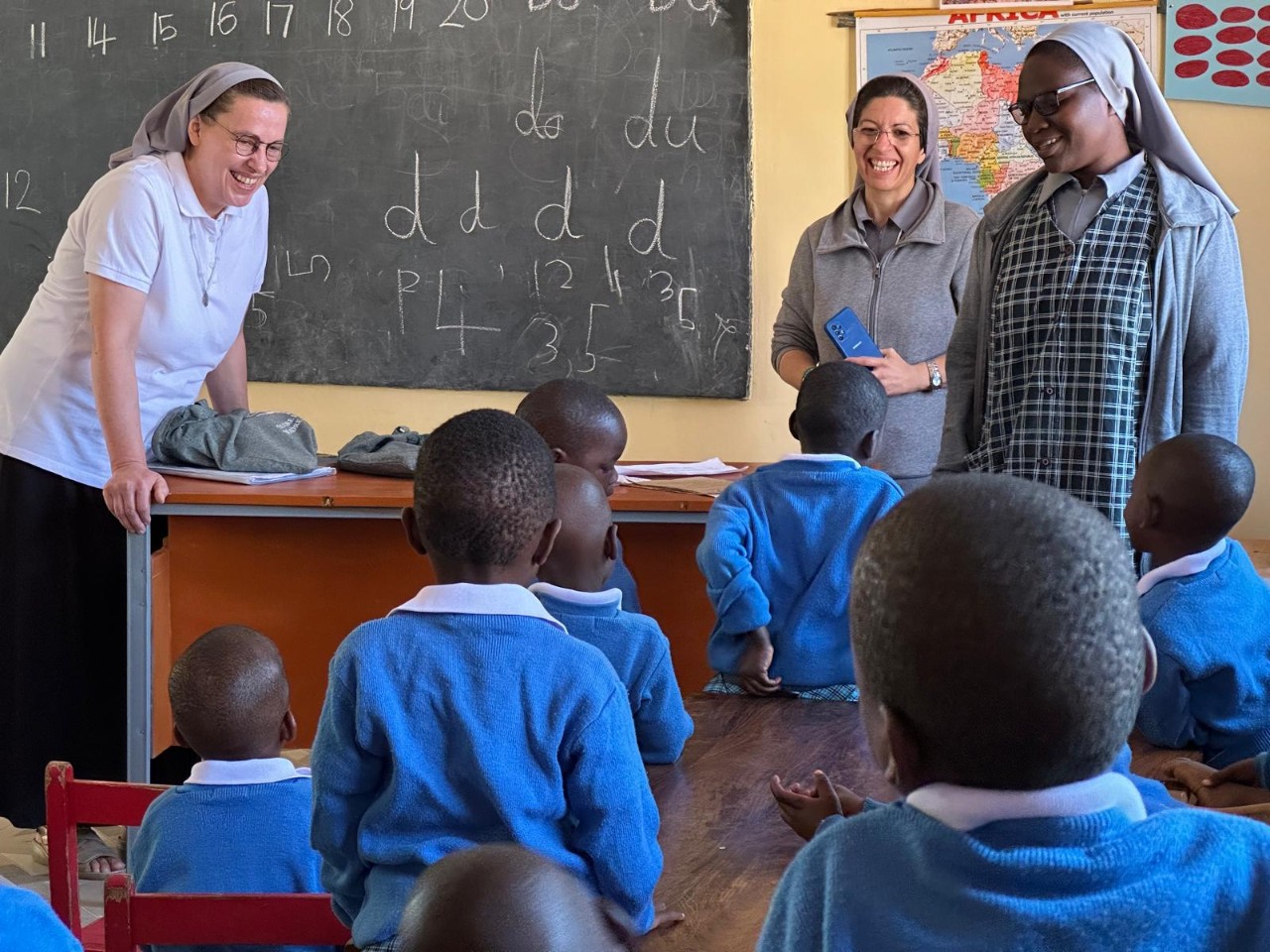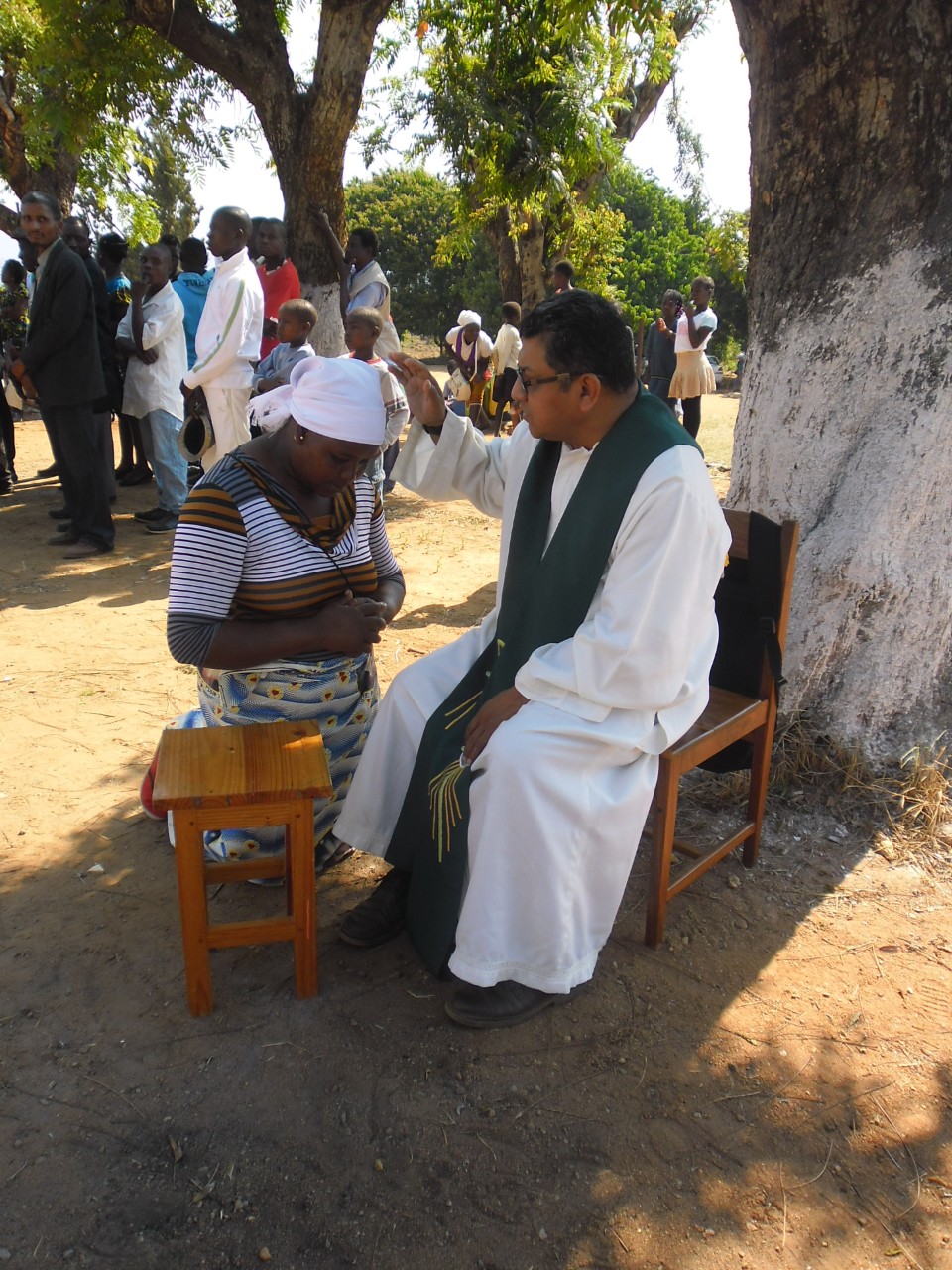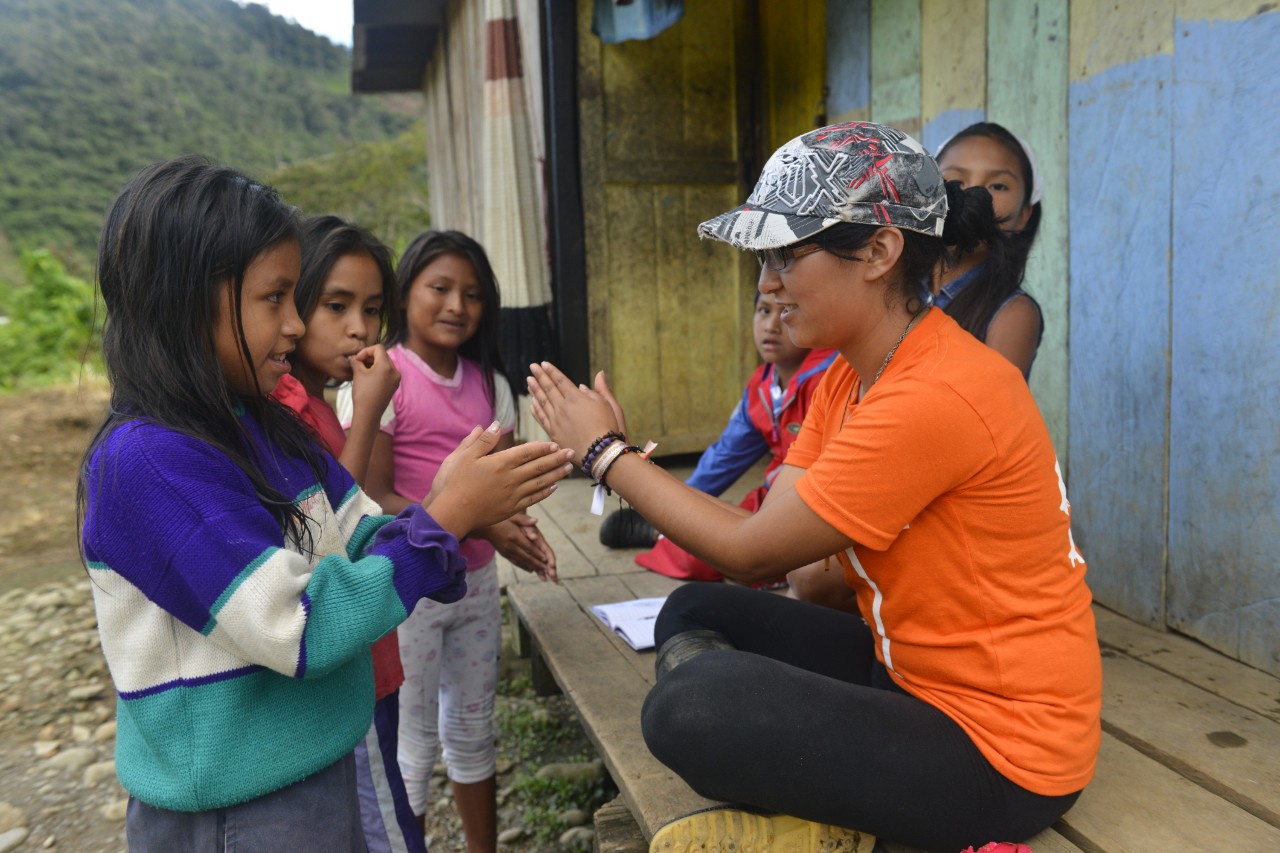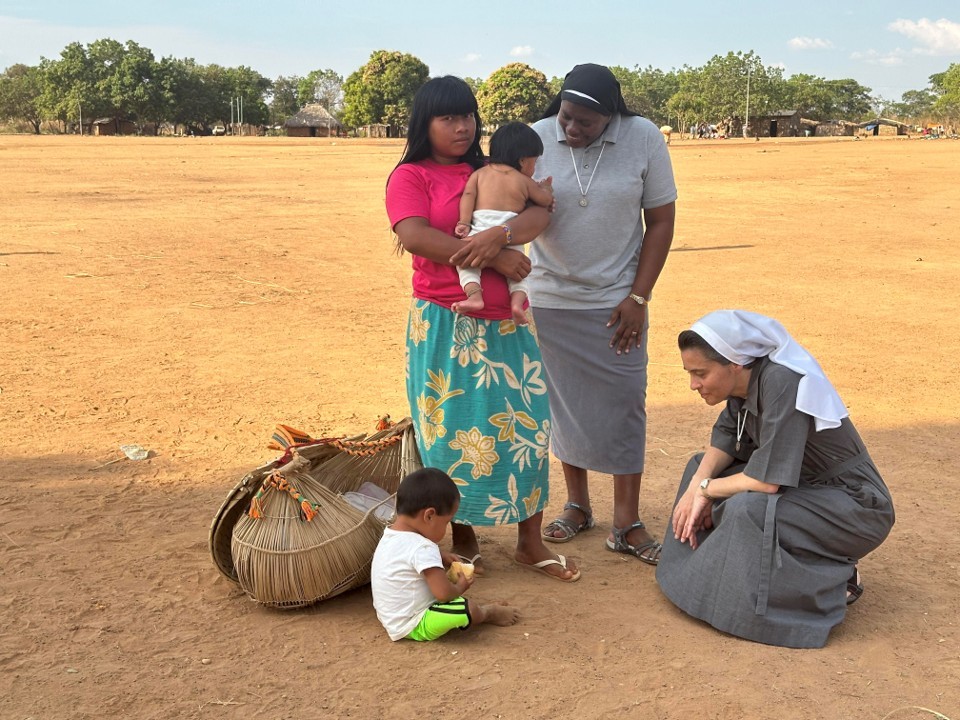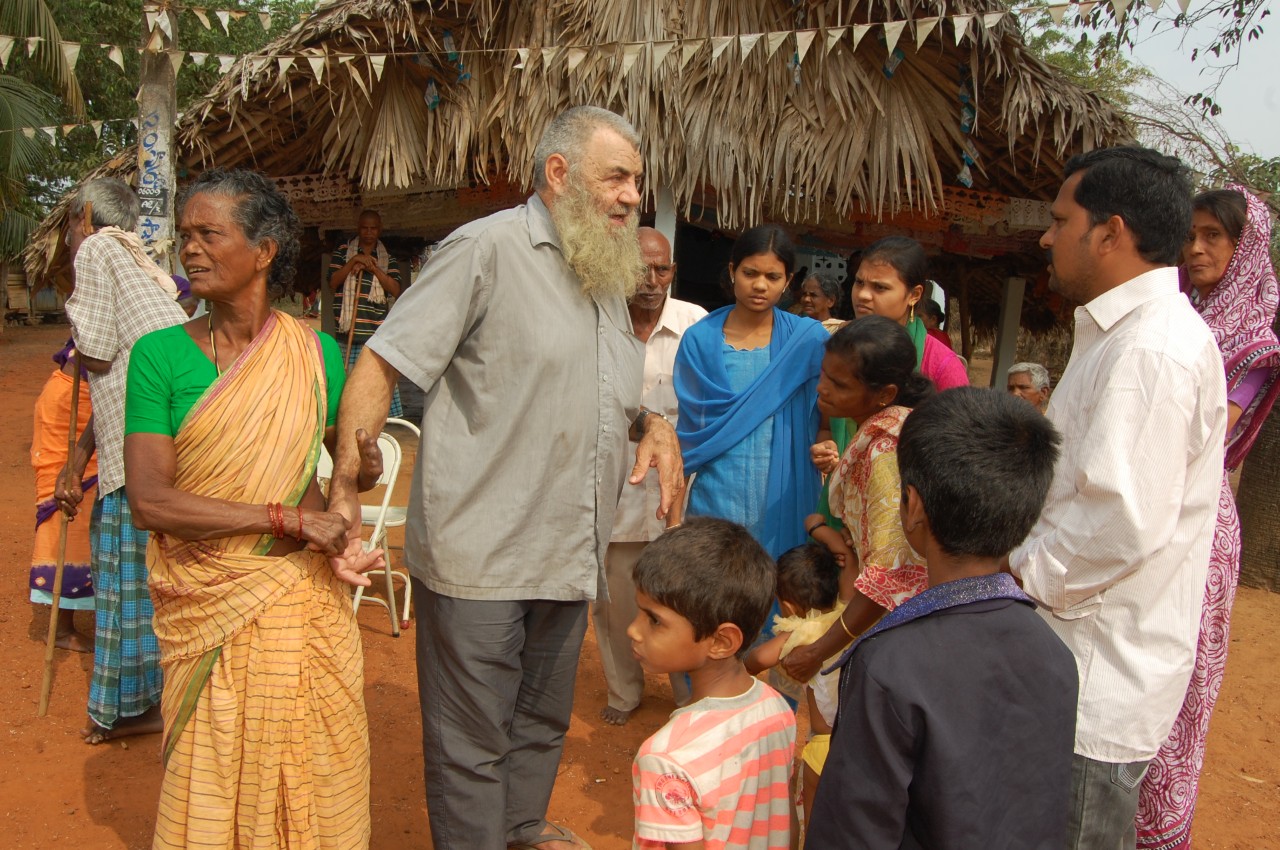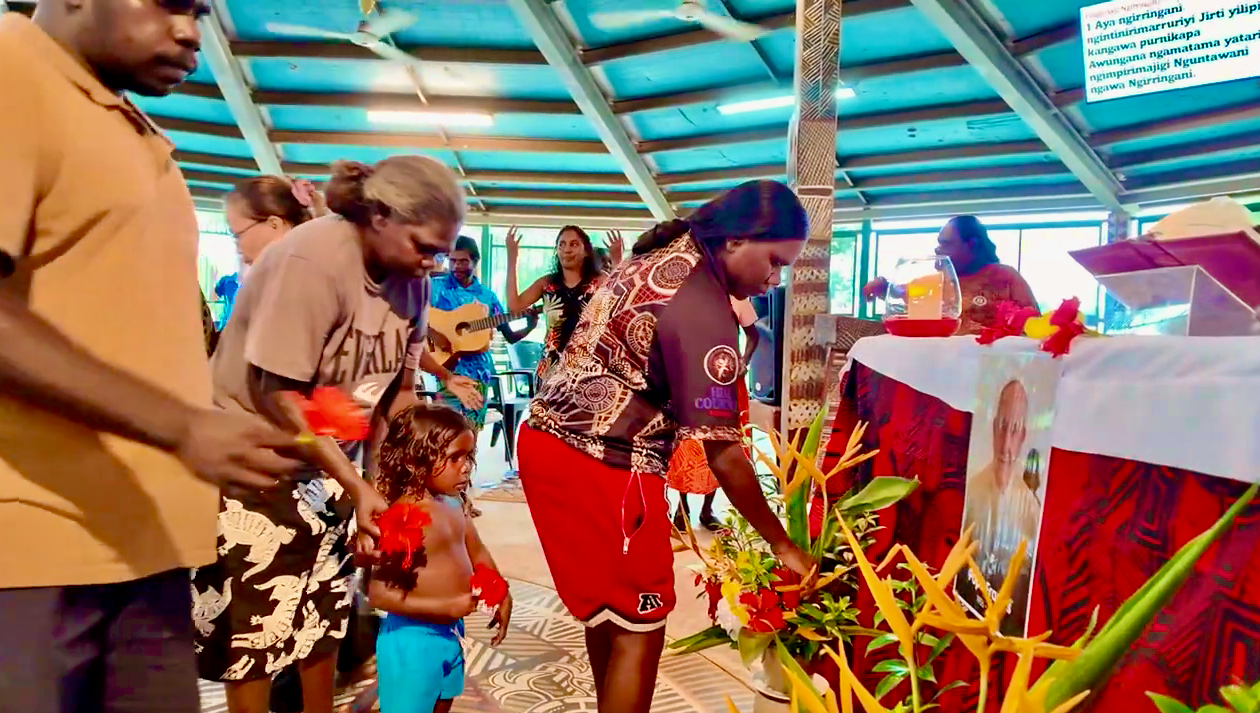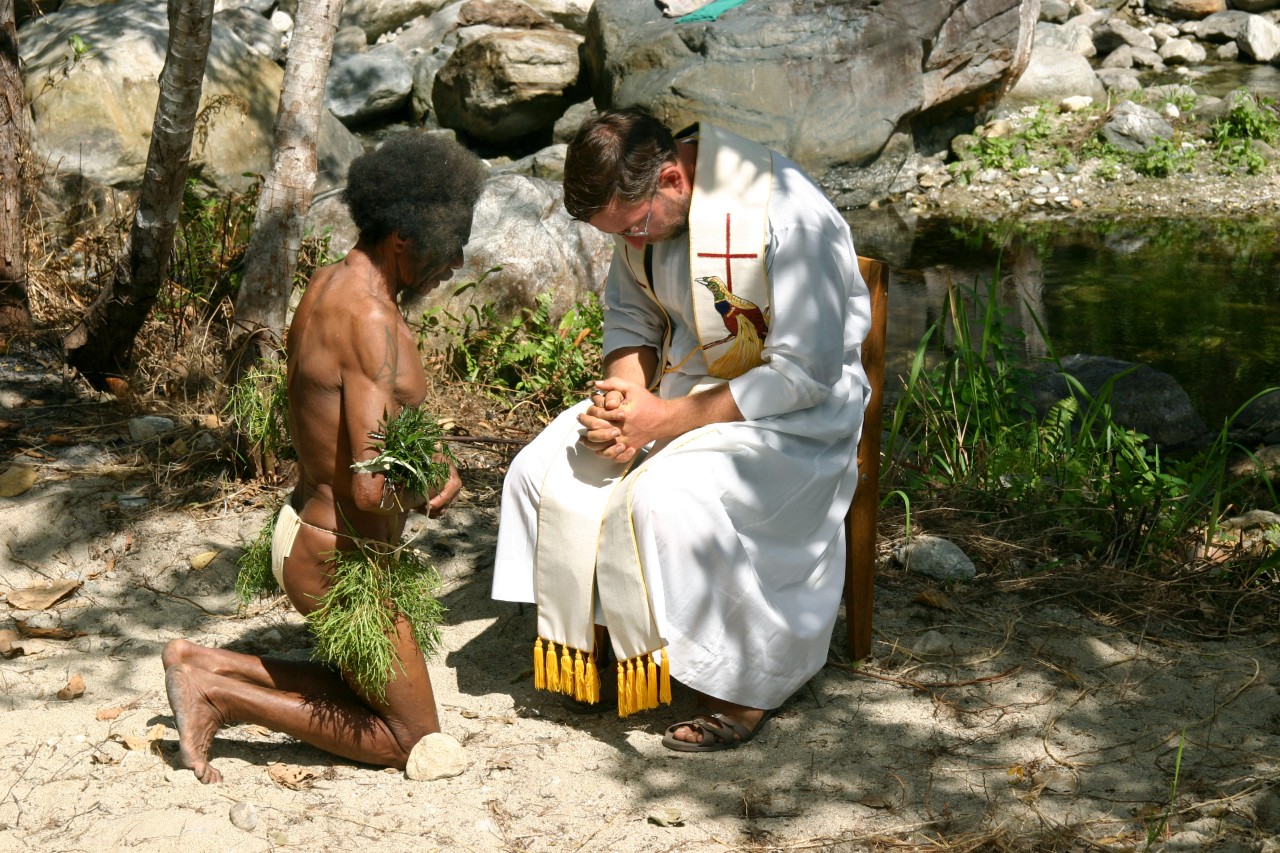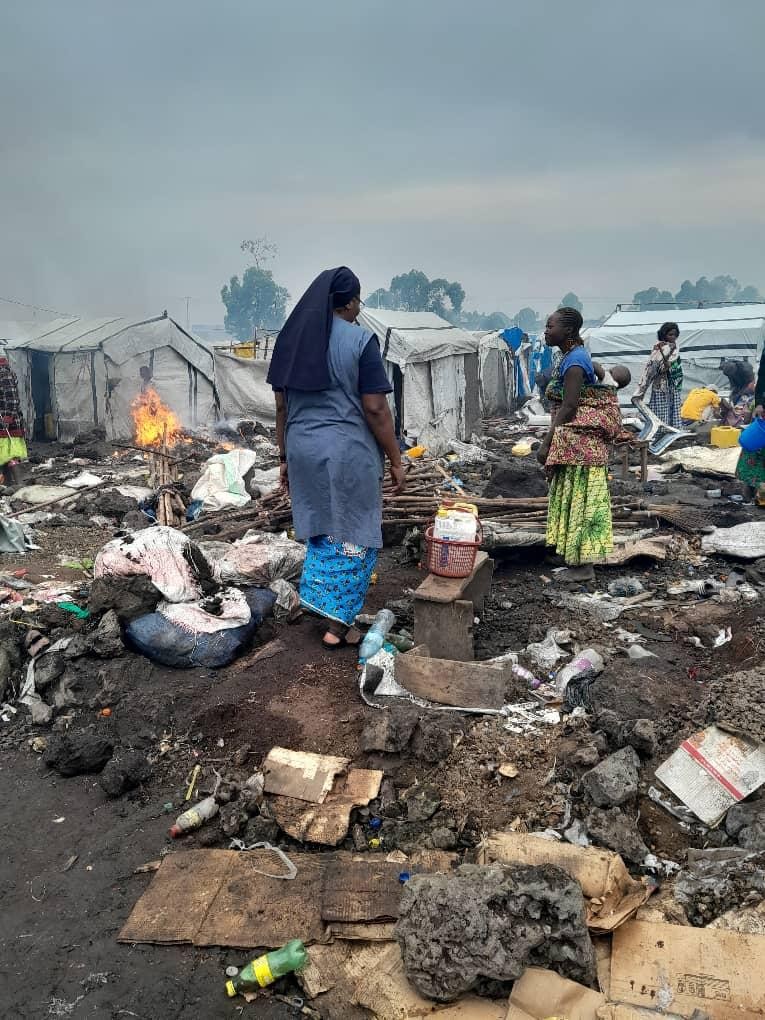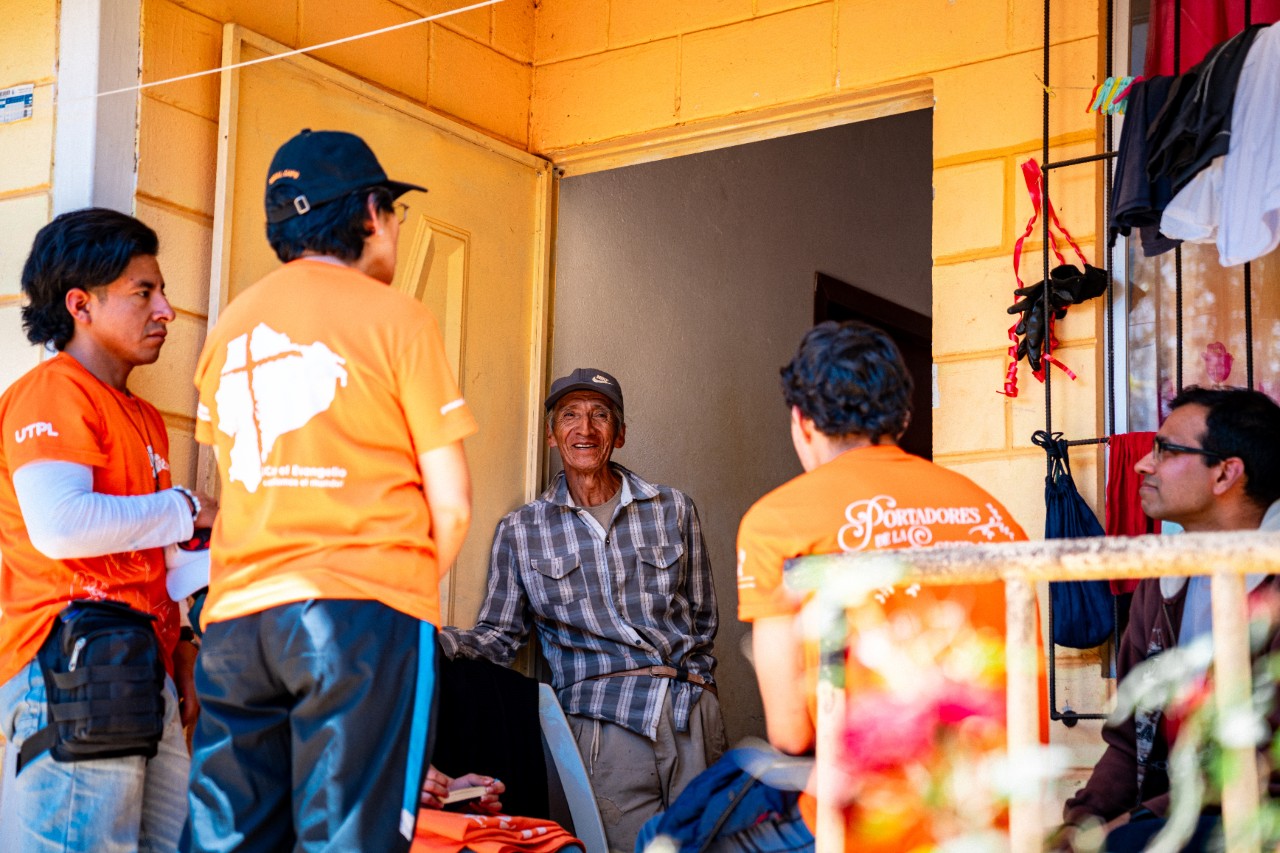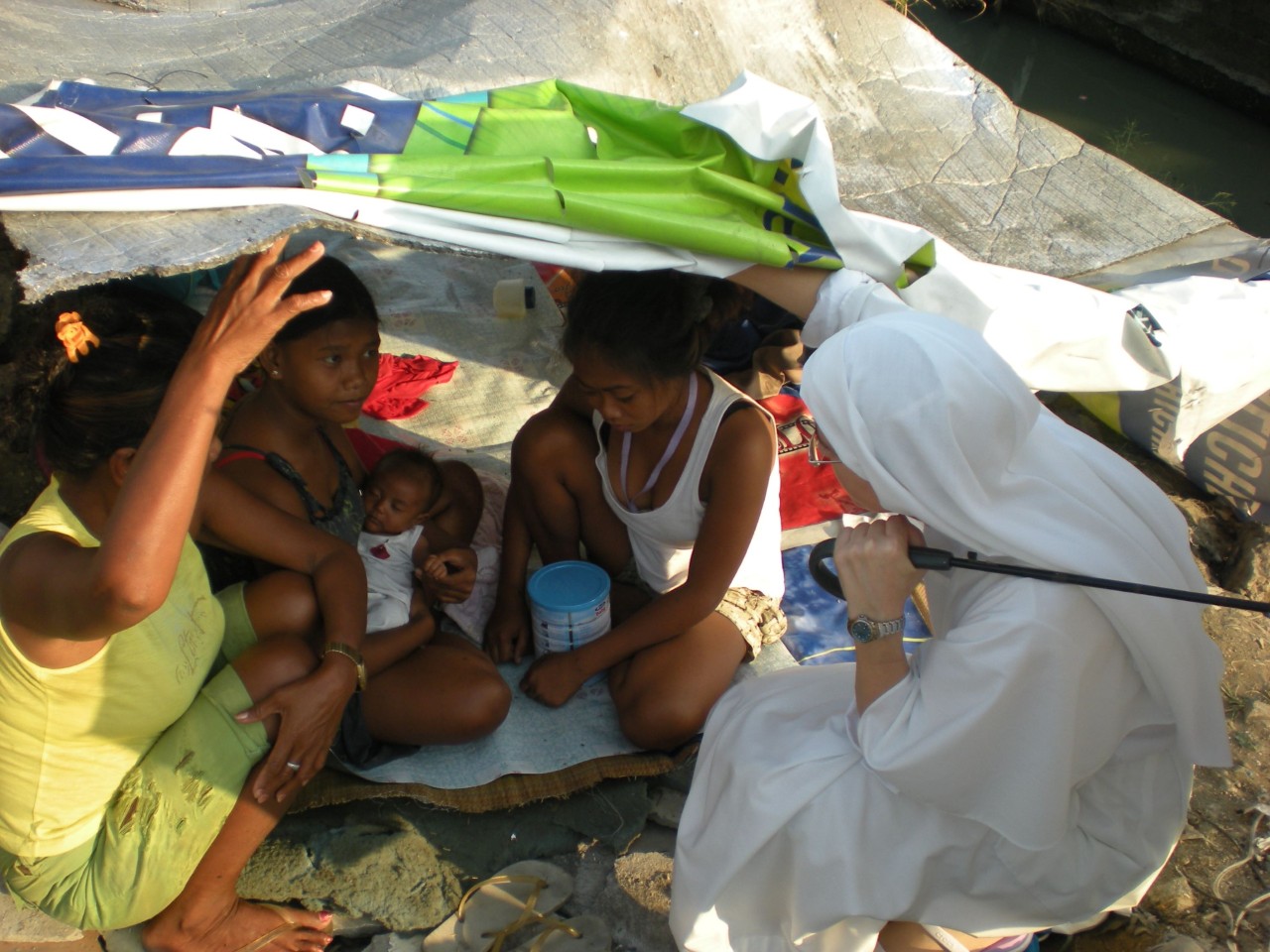

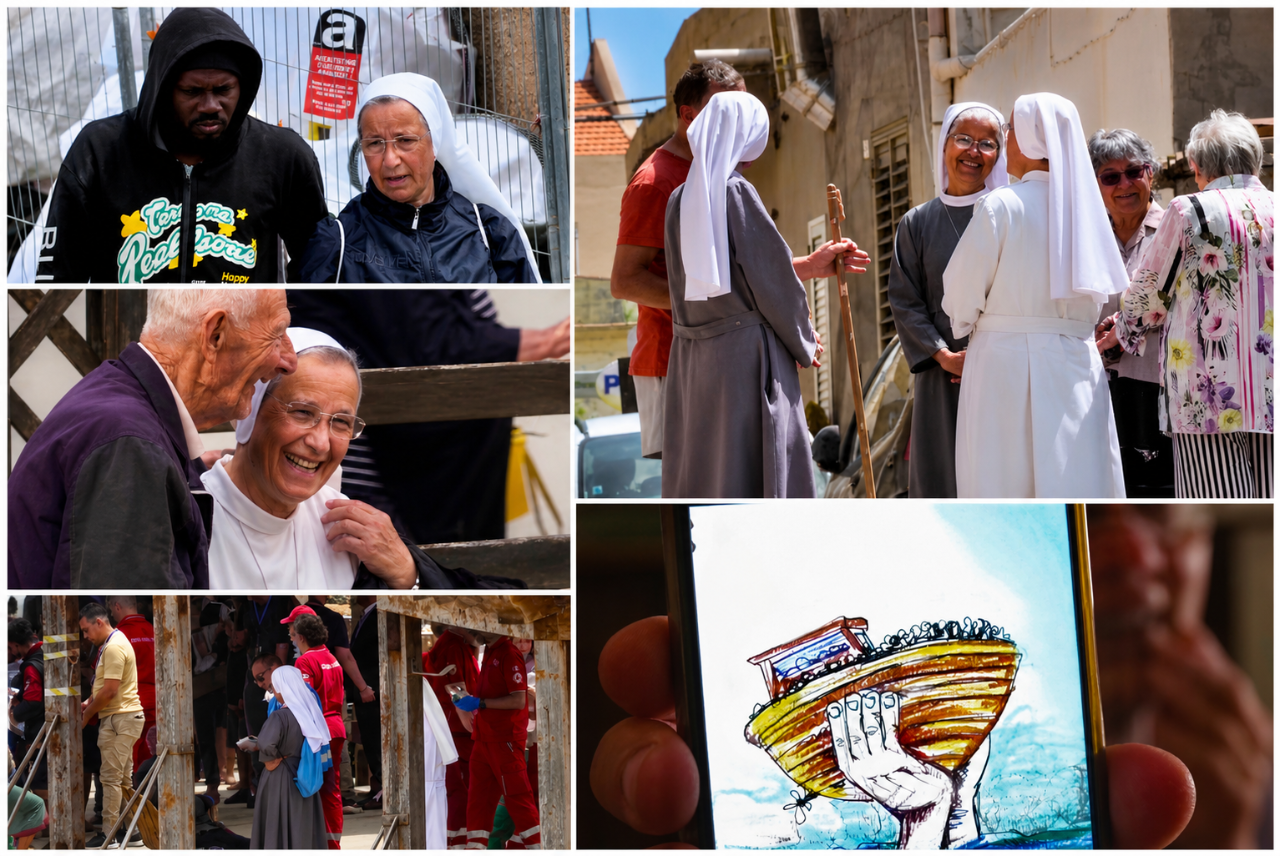
On the occasion of Pope Leo XIV's pastoral visit to Lampedusa, the Dicastery for Institutes of Consecrated Life and the Societies of Apostolic Life presents a series of testimonies showing how religious sisters and brothers, on different continents, share the lives of people and communities.
Can fraternity be built in a time marked by conflict, migration and inequality?
Pope Leo XIV's pastoral visit to Lampedusa brings back into focus a question that concerns both the Church and the international community.
For years, the island has been one of the main landing places on the Central Mediterranean routes. It continues to bear witness to the ordeal of those fleeing war, violence and poverty, as well as to the choice made each day by those who welcome them and share the weight of this reality.
A community living alongside migrants
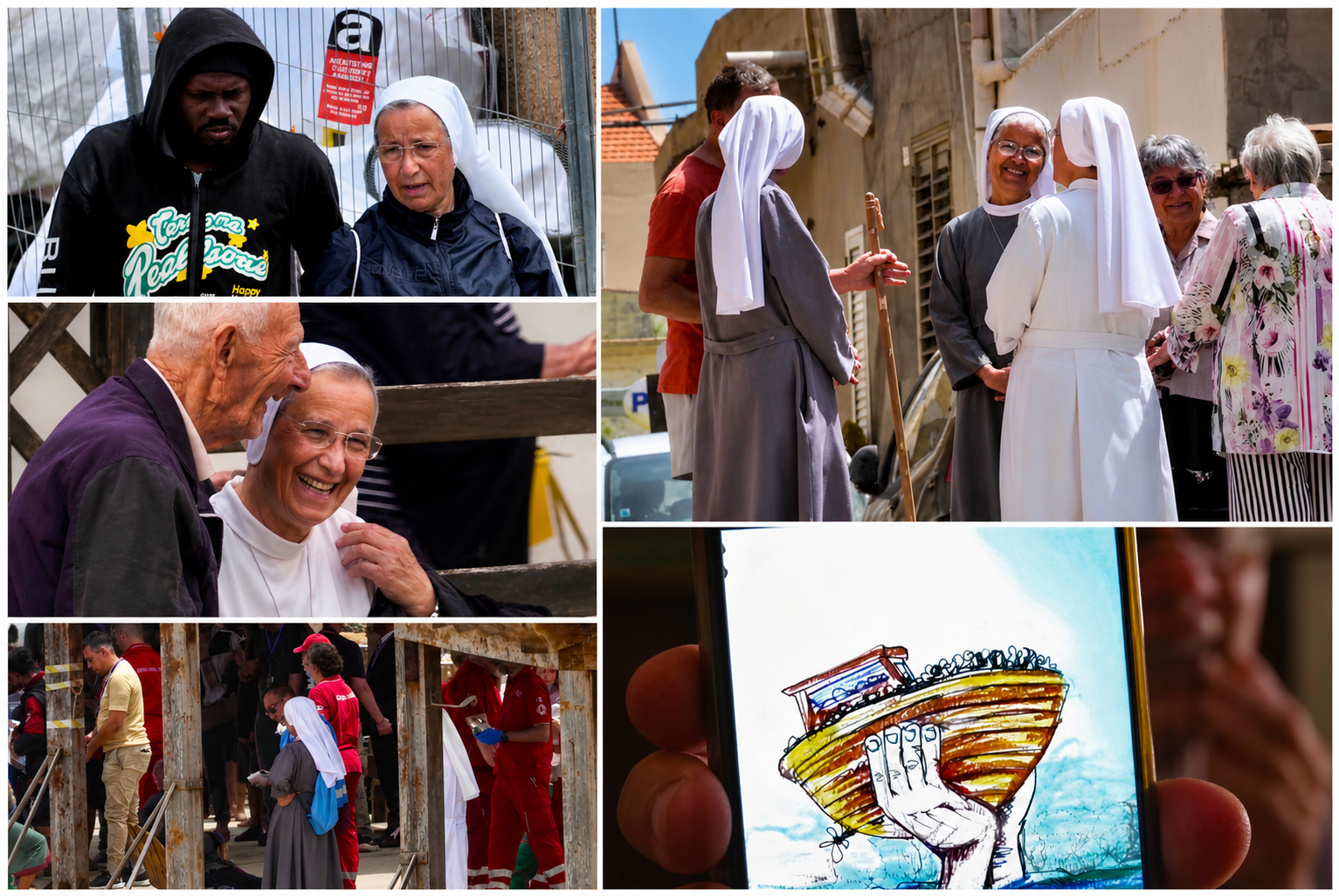
Since 2013, following the appeal made by Pope Francis during his visit to Lampedusa, a UISG intercongregational community has lived permanently on the island. Sisters from different congregations share the mission of accompanying migrants and, at the same time, supporting the local community.
When the Coast Guard reports a landing, they go to Favarolo Pier with the other aid workers. Many of those who arrive carry, in body and memory, the wounds of violence, torture and the journey. "For us, what matters is presence," says Sister Antonietta Papa, coordinator of the Sicily-Lampedusa Migrants Project. It is a presence made up of listening, closeness and prayer in the first moments after arrival.
Their commitment then continues in the parish, at the Caritas Listening Centre, and through visits to the elderly, the sick and those living in situations of loneliness. "Many of the migrants who arrive are catechists or community leaders. They belong to a vibrant Church and, if welcomed, can truly become missionaries," Sister Antonietta adds.
(Video - Italy | Lampedusa: the mission among migrants and the local community)
From Lampedusa, a look across consecrated life in the world
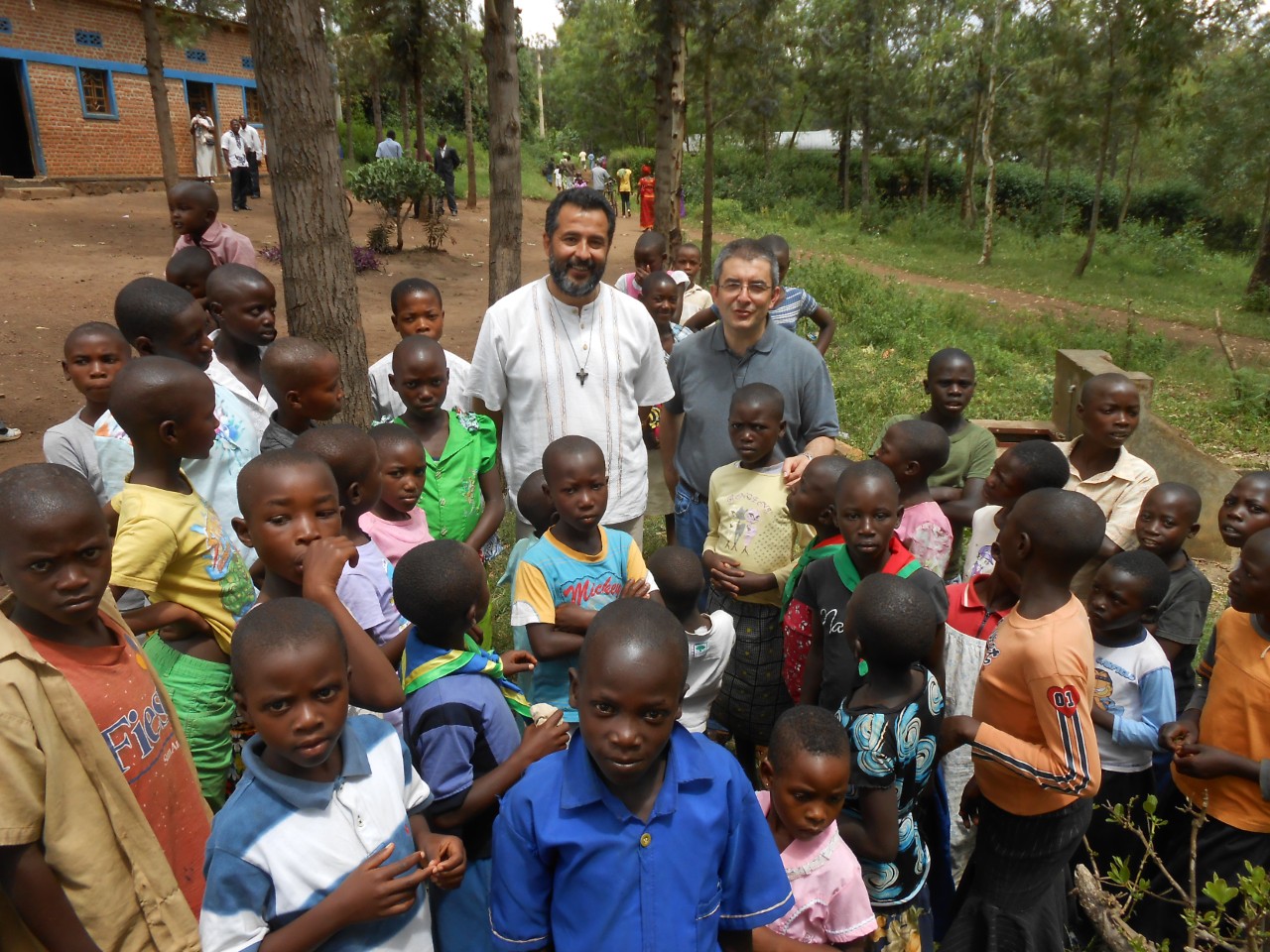
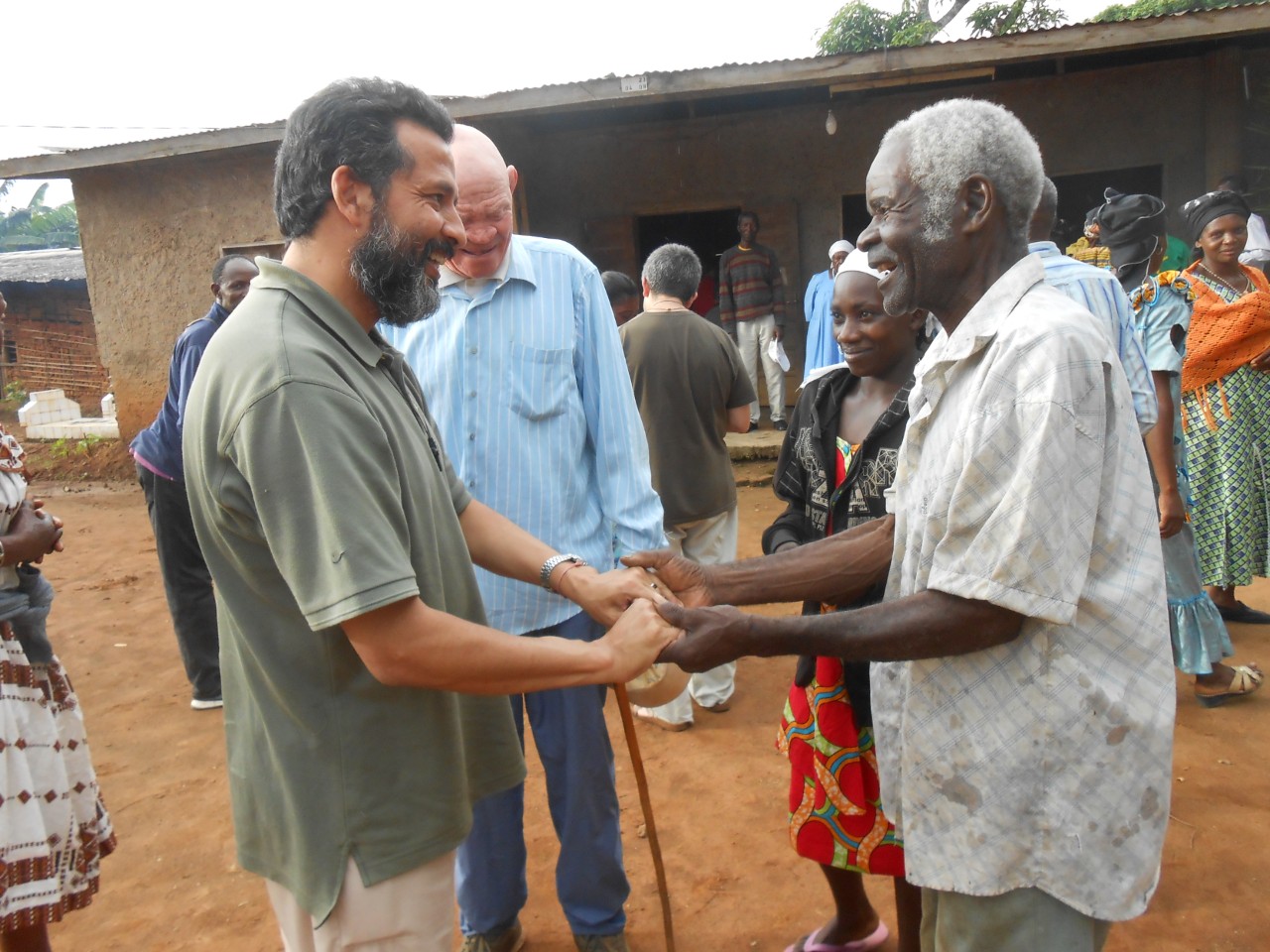
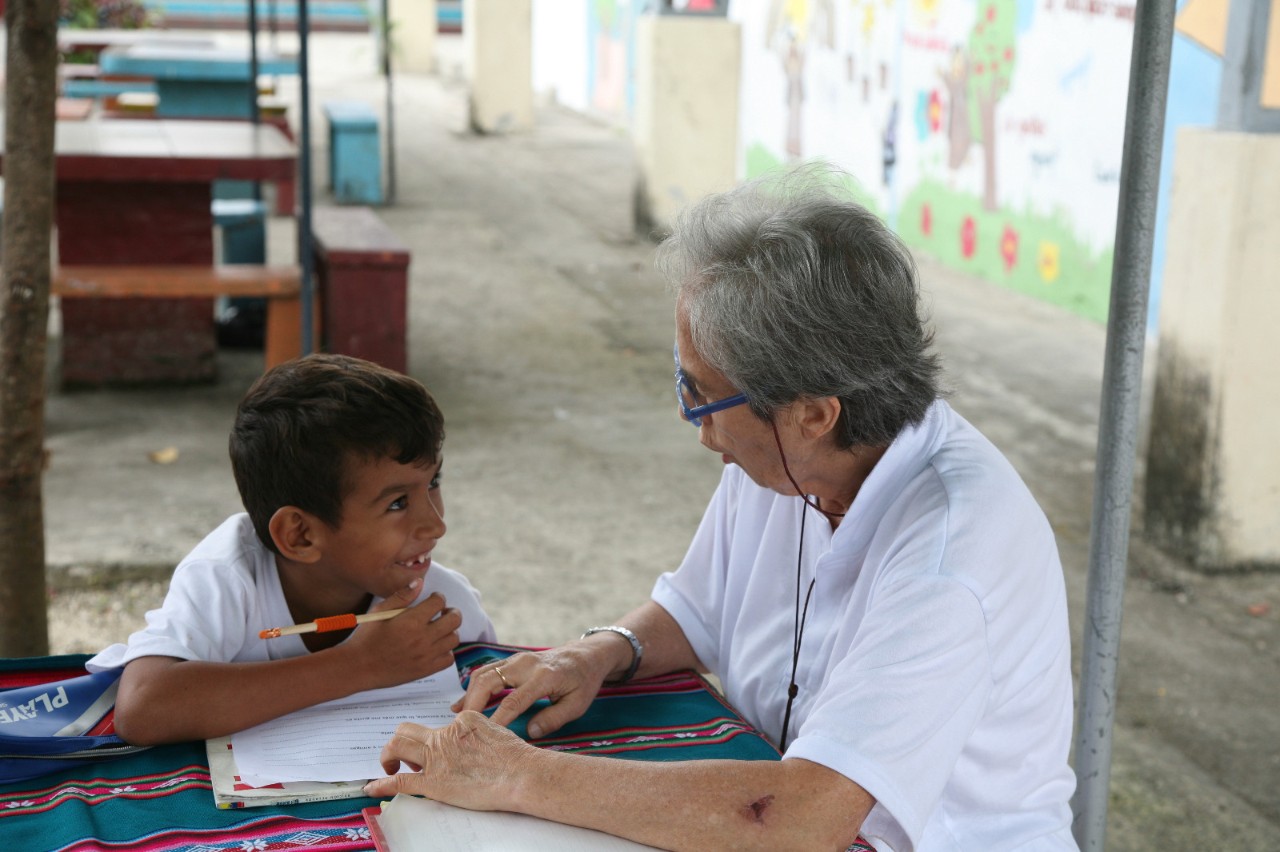
The testimony from Lampedusa is part of the series Sorelle e Fratelli tutti (Sisters and Brothers All), eight videos, which the Dicastery for Institutes of Consecrated Life and Societies of Apostolic Life is presenting on the occasion of Pope Leo XIV's visit. From the Mediterranean island to Lebanon, from South Sudan to Gabon, from Australia to Ukraine, the series brings together experiences of consecrated women and men who, in very different contexts, share people's lives and show how fraternity can take shape in everyday choices.
Opening the journey is Pilgrims of Peace on the Path of Hope, the video dedicated to the travelling exhibition promoted by the Dicastery and produced by Mediacor. *
Through images and testimonies, the exhibition offers a reflection on three themes that run through the Church's magisterium and the mission of consecrated life: universal fraternity, care for creation and listening to the cry of the poor. Already presented in Rome to thousands of consecrated women and men, it is now available as a formation resource for institutes of consecrated life, societies of apostolic life, dioceses, parishes and other ecclesial bodies.
Fraternity has many faces
The other testimonies recount experiences born in very different contexts, but united by the choice to share people's lives.
In Lebanon, the Fratelli Project, promoted by the Brothers of the Christian Schools and the Marist Brothers, accompanies Syrian and Iraqi refugee children together with vulnerable Lebanese children, offering educational programmes, support for families and spaces in which trust and a future can be rebuilt.
In South Sudan, the intercongregational mission Solidarity with South Sudan, established at the request of the Sudan Catholic Bishops' Conference and supported by UISG, USG and many religious congregations, invests in the formation of teachers, nurses and midwives, the development of sustainable agriculture, and programmes of reconciliation and accompaniment for communities, helping to rebuild one of the countries most deeply marked by war.
From Gabon comes the testimony of Sister Marie-Sidonie, of the Congregation of the Immaculate Conception of Castres, who recounts her service in the 2024 National Dialogue, launched after decades of dictatorship. It was an experience marked by listening, impartiality and the pursuit of the common good, showing how consecrated life can contribute to processes of reconciliation for an entire nation.
In Australia, Sister Philippa Murphy shares the experience of her congregation alongside the Tiwi people. For more than a century, the sisters have lived in that land with Indigenous communities; today the mission continues through an intercongregational project, giving priority to listening, respect for local culture and dialogue with First Nations.
The final testimony leads to Ukraine. Since the beginning of the war, religious sisters and brothers, together with Catholic communities in Ukraine and Austria, have opened monasteries and religious houses to receive families forced to flee, offering humanitarian assistance, educational support and spiritual accompaniment. This work continues to support thousands of people marked by the conflict.
The series concludes with a video composed entirely of images from these experiences. Faces, places and stories accompany viewers back to the same questions with which the journey began.
How can we become sisters and brothers to all?
The testimonies gathered by the Dicastery show that fraternity does not arise from an abstract idea. It takes shape whenever women and men choose to share the lives of others, especially where human dignity is most severely tested. This is the call that Pope Leo XIV's visit to Lampedusa places today not only before consecrated life, but before the Church and society as a whole.
___________
* The travelling exhibition Pilgrims of Peace on the Path of Hope may be requested by institutes of consecrated life, societies of apostolic life, religious communities, dioceses, parishes and other ecclesial bodies.
To encourage its circulation across different continents, open files of the panels are also available, so they can be translated and adapted to different local contexts.
For information: info@mediacor.it - +39 348 761 9700.