
“Evangelization is a dynamic of encounter that takes flesh within a relational context, among people and among cultures. The closer we draw to the vital roots of a person or a people, the more we recognize one another as brothers and sisters in our shared humanity.”
How can the Gospel be proclaimed among peoples and cultures that differ from one another? Who is the missionary, truly? What does it mean to encounter the other? How can we recognize the work of God?
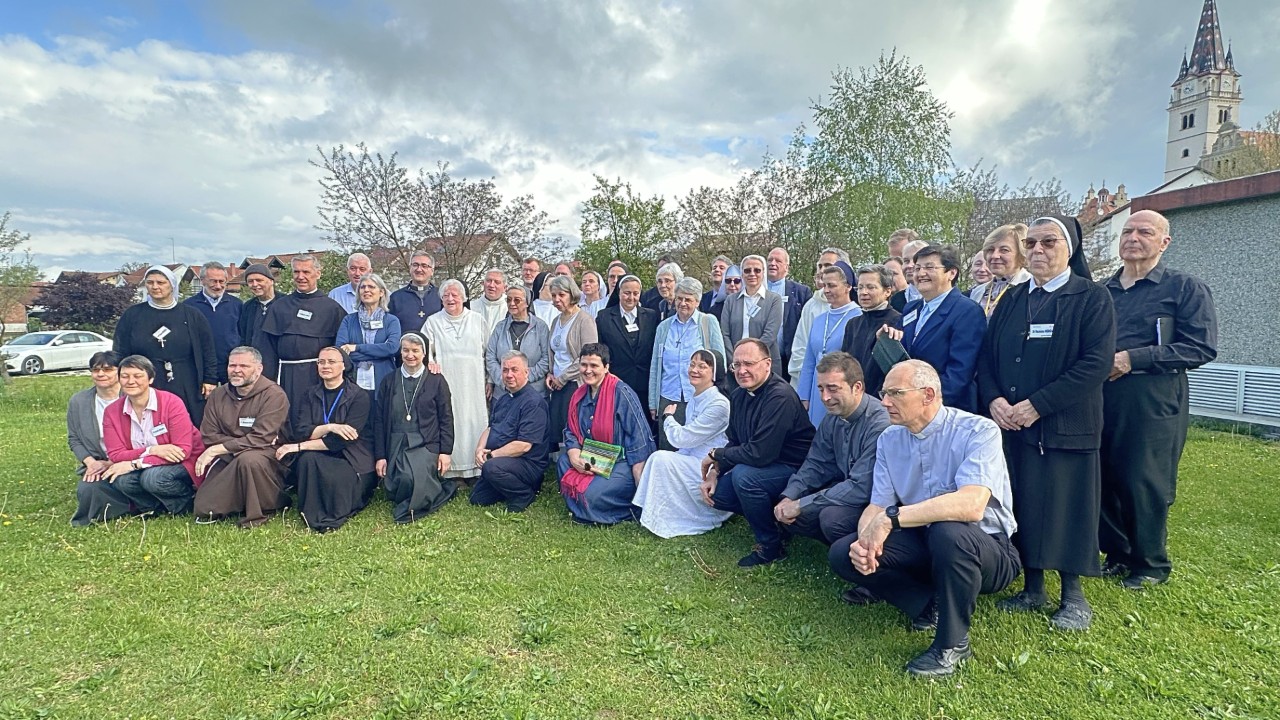
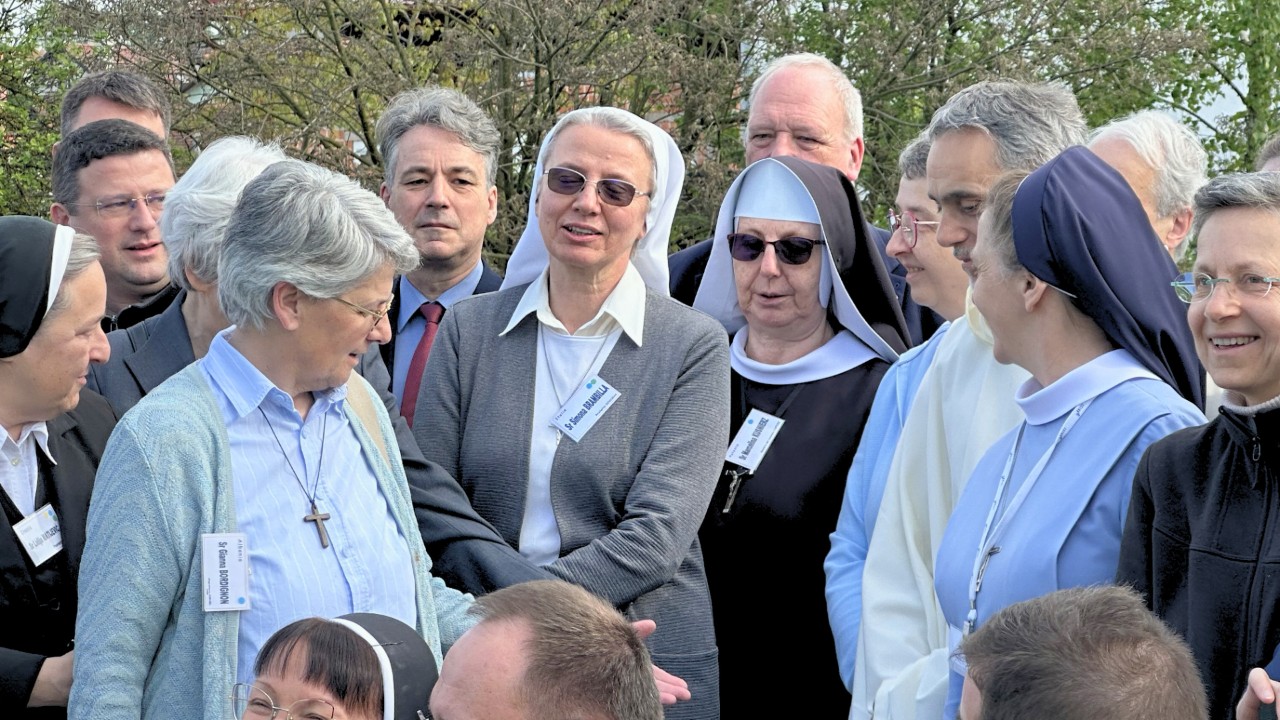
These were among the questions that shaped the reflection of Sister Simona Brambilla at the 22nd General Assembly of the UCESM (Union of European Conferences of Major Superiors), gathered in Marija Bistrica, Croatia, around the theme “Religious Life and Cultures: Consequences for Our Life and Mission.”
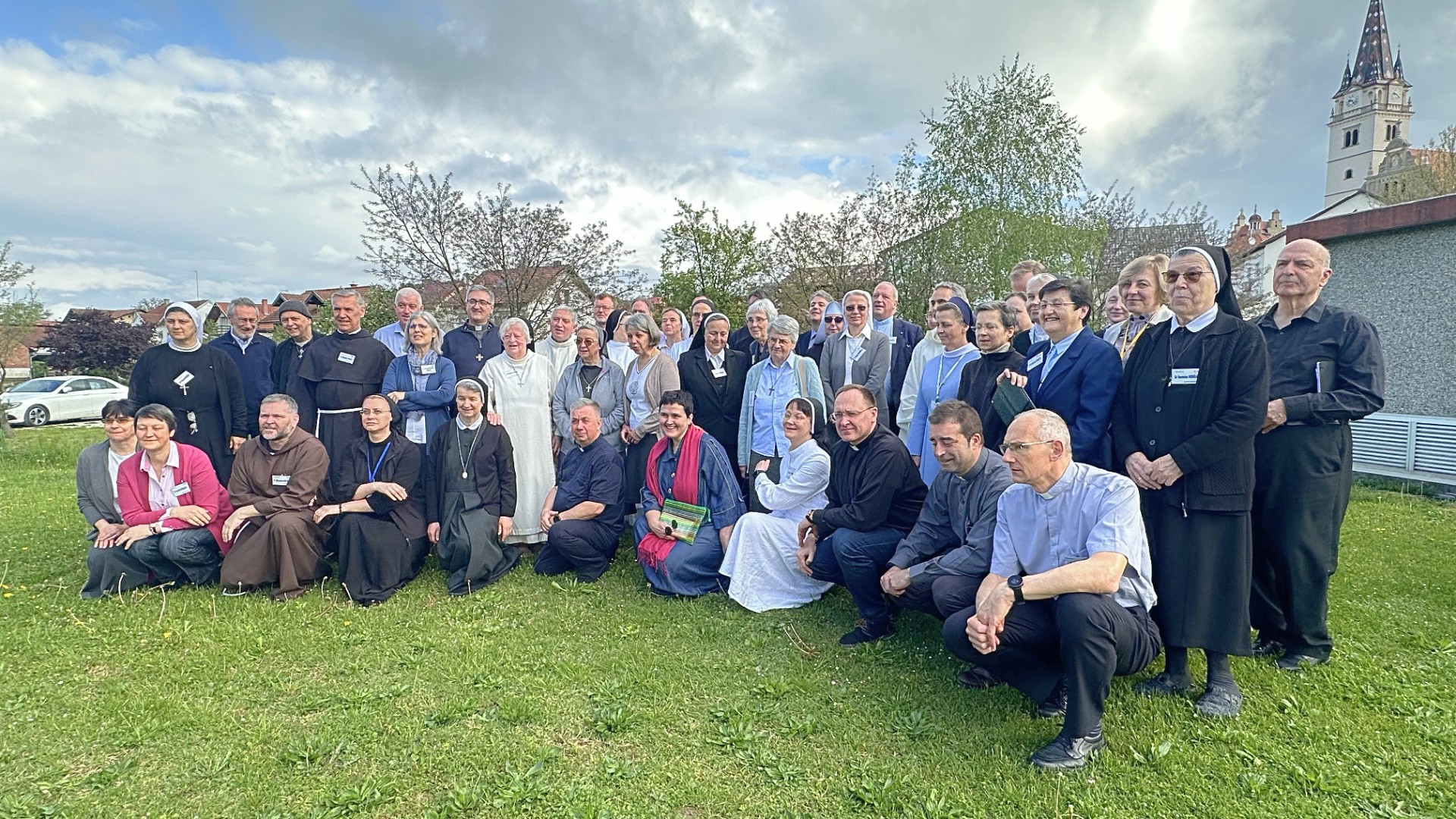
The 22nd General Assembly of the UCESM (Union of European Conferences of Major Superiors) brought together in Marija Bistrica representatives of the Conferences of Major Superiors from 21 European countries around the theme “Religious Life and Cultures: Consequences for Our Life and Mission.” The culture of safeguarding, the digital world, interculturality, youth culture, and the future of UCESM shaped days of dialogue, prayer, and celebrations shared with the local Church. The Prefect of the Dicastery for Institutes of Consecrated Life and Societies of Apostolic Life took part in the gathering together with Dr Daniela Leggio, one of the Dicastery’s Office Heads.
In her address, Sister Simona entered into the heart of the relationship between the Gospel and cultures. The reality of those who receive the proclamation cannot be ignored, she recalled, because inculturation is neither a secondary concession nor merely a pastoral strategy, but an intrinsic requirement of the Church’s mission. To evangelize means to enter “with respect and love into the concrete history of peoples,” so that Christ may be known and welcomed through their human and cultural experience. It means embracing languages, symbols, ways of thinking, feeling, and expressing oneself as places where grace desires to dwell and to act.
There are no cultures in the abstract. There are people who grow within a culture, receive it, embody it, transform it, and hand it on. For this reason, “there is no life and no mission outside encounter and therefore outside relationship.” The deeper the relationship becomes, the closer we draw to the vital roots of a person or a people, and the more we recognize one another as brothers and sisters in our shared humanity.
From this perspective emerges also the face of the missionary. Reflecting on the Gospel passage of Luke 10:1–10, concerning the sending out of the seventy-two disciples, Sister Simona emphasized that mission is not a solitary adventure but a relational reality. The portrait outlined by the Prefect is marked by words such as weakness, disarmament, and self-surrender. “Empty hands, bare feet, radical poverty.” Not reliance on structures of power, but disarming smallness. Not the missionary at the center of the proclamation, but “the face of God, which we can, with simplicity, make transparent and accessible.”
The first missionary act does not consist in bringing something, but in entering, offering the greeting of peace, allowing oneself to be welcomed, accepting hospitality, eating and drinking what the other offers, remaining. It is not for the one who is sent to force anything or to deprive the other of freedom and responsibility. Rather, it is a matter of recognizing the good already present and giving it a name. “Evangelization implies recognizing a presence that is already at work.”
“What must we do to perform the works God desires?” In the opening Mass of the Assembly, Fr Jānis Melnikovs SJ, outgoing President of UCESM, returned to the Gospel’s question by pointing to a choice: faced with evil, violence, cynicism, and intolerance, one can choose either to surrender or to act in the opposite way and break “the vicious circle of cynicism, intolerance, and evil.” Life and the world are full of uncertainty, insecurity, ambiguity, meaning and meaninglessness at the same time; seeking a life without doubt and without risk would mean seeking a world that does not exist. For this reason, faith is not an unshakable certainty in the impossible, but “the courage to live with uncertainty.” Hence the invitation addressed to the participants: “Try it and see what happens.”
The Assembly concluded with the election of the new UCESM Executive Committee. Sister Ângela de Fátima Coelho da Rocha (Portugal) was elected President; Fr Miljenko Hontić OFMConv (Croatia), Vice-President; and Sister Alfonsa Karapata MSSR (Ukraine), Councillor.
Representatives of the Conferences of Major Superiors from Albania, Belgium, Bosnia and Herzegovina, Croatia, the Czech Republic, Germany, France, Greece, Hungary, Ireland, Italy, Latvia, Lithuania, Malta, the Netherlands, Poland, Portugal, Slovakia, Slovenia, Switzerland, and Ukraine were present in Marija Bistrica.
May consecrated life, in Europe and throughout the world, be “a welcoming home, a sacrament of encounter and salvation, a school of communion for all the sons and daughters of God”: this was the wish entrusted by Sister Simona Brambilla to the Assembly participants. A consecrated life called to be a living expression of a “synodal Church made up of bonds that unite in communion and of spaces that welcome the richness of every people and every culture.”